U.S. Aquariums and Universities Collaborate on Transformative Aquaculture of Marine Fish

By Seagrant.noaa.gov, Seagrant.noaa.gov.

A nationwide collaboration among public aquariums and research institutions has developed new methods to breed more than 20 marine fish species in human care, reducing reliance on wild-caught animals while launching new public resources to help advance sustainable aquaculture. Through a multi-year initiative titled “Catalyzing Marine Finfish Aquaculture Through Public Aquariums,” funded by NOAA Sea Grant, a network of expert aquarists and researchers is mastering the delicate science of raising marine fish from microscopic larvae to adulthood.
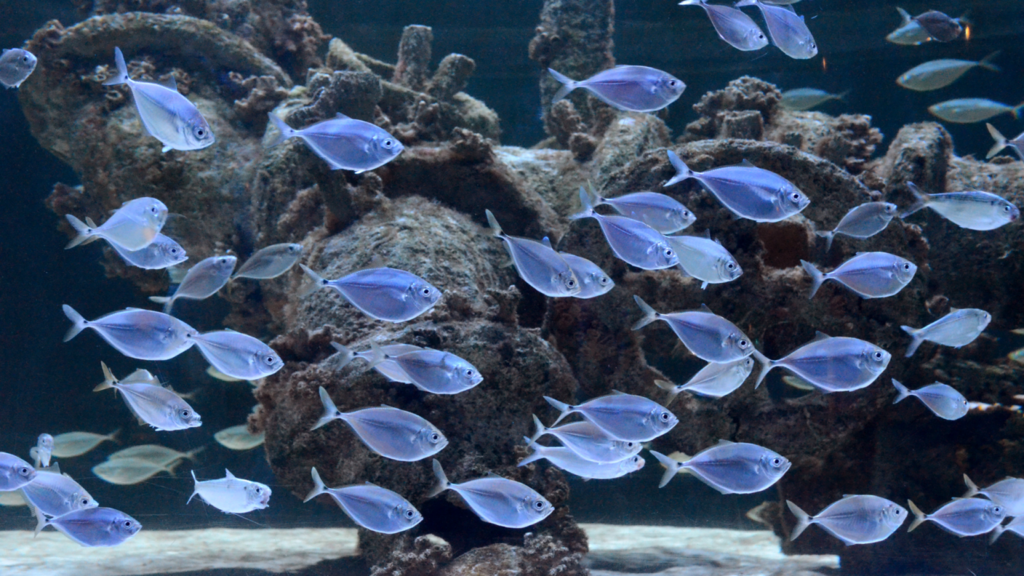
Public aquariums responsibly source marine fish from wild populations when they are collected ethically, and in ways that support healthy ecosystems.  This initiative is expanding the availability of fish raised in human care, providing aquariums with additional sustainable options for their collections. By making aquacultured species more accessible, the project advances the Association of Zoos and Aquariums’ Aquatic Collections Sustainability Initiative and has already contributed to the breeding and distribution of thousands of fish to AZA-accredited institutions across the country.

Contributions to the Wild Ocean and Commercial Industry
The implications of Catalyzing Marine Finfish Aquaculture Through Public Aquariums extend far beyond the aquarium habitats. “By developing successful breeding and rearing protocols for new species, these aquariums serve as research and development hubs, reducing dependence on wild-caught animals and creating methods that commercial producers may be able to adapt for additional species,” noted Dr. Andrew Rhyne of Roger Williams University’s Center for Economic and Environmental Development.

“Working with a wide variety of species may help in the future when we may need to conserve populations through direct intervention,” added Dr. Michael Tlusty of the University of Massachusetts Boston.

To ensure the project has a wider impact, the group is producing open-source aquaculture guides for study species. These digital resources facilitate technology transfer, allowing non-partner aquariums and others to replicate their success.