Coastal Flood Advisory vs. Watch vs. Warning: What Each Means
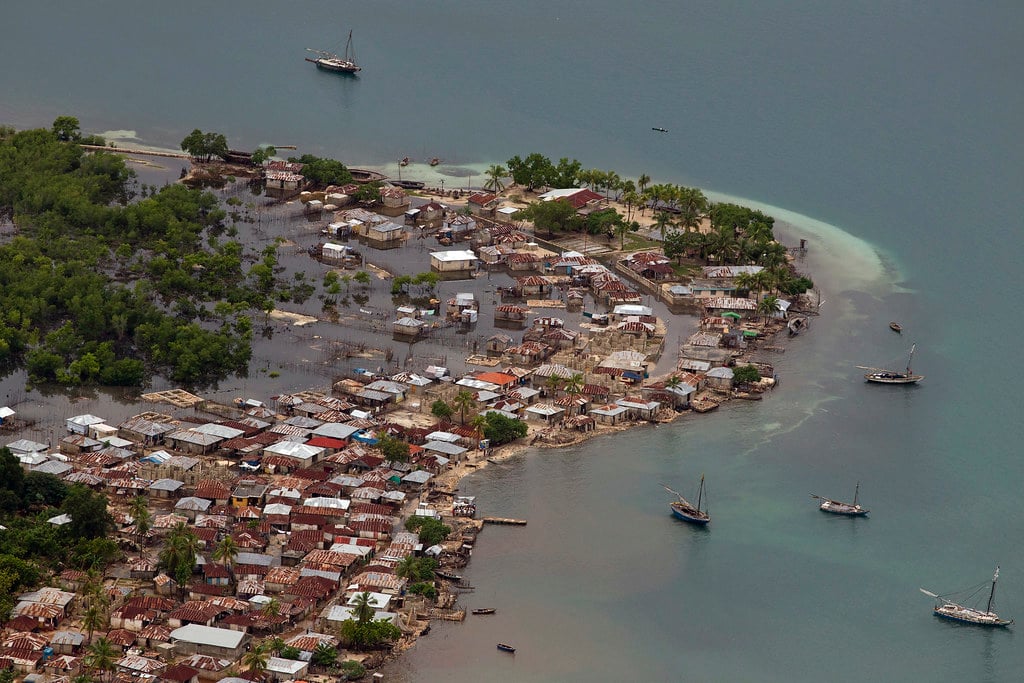
A coastal flood advisory means minor saltwater flooding is happening or about to happen, usually around high tide. Expect water on low roads, parking lots and docks, but not in most homes. A watch means more serious flooding is possible. A warning means moderate or major flooding is happening or imminent, and it’s time to act.
Here’s what that looked like this week. On [CHECK: date], the National Weather Service issued a coastal flood advisory for [CHECK: harbor name, linked to its US Harbors page], in effect from [CHECK: start time] to [CHECK: end time]. The alert bar on the harbor page showed [CHECK: alert bar text], and the King Tide bar showed [CHECK: King Tide bar text, with predicted high tide time and height]. That lines up with this week’s king tides, Nov. 23 to 29, covered in our King Tides 2026 guide.
What a coastal flood advisory means
The National Weather Service issues a coastal flood advisory when minor or nuisance coastal flooding is occurring or imminent. In NWS terms, minor flooding is non-structural and doesn’t close significant roads. Think puddles of seawater in low streets, overflowing storm drains and the low end of the marina parking lot under a few inches of water.
“Minor” is about the impact, not the inconvenience. A minor flood can still strand your car, cover a launch ramp or put the walkway to a fixed dock underwater for an hour or two.
Each NWS office sets its own trigger, based on a local tide gauge. The thresholds come from years of watching which water levels start to cause trouble in that town. In the Florida Keys, for example, NWS Key West uses about 1.6 feet above mean higher high water at the Key West and Vaca Key gauges as a guide for an advisory. Your harbor’s number will be different.
Some offices also issue a coastal flood statement for flooding below advisory level. Key West uses one when the impact is nuisance flooding. If you see a statement, expect wet spots at high tide, not closed roads.
Coastal flood advisory vs. watch vs. warning
The three alerts tell you two things: how bad the flooding will be, and how sure the forecasters are. An advisory and a warning both mean flooding is expected. A watch means it’s possible.
| Alert | What it means | Flood level | Typical lead time |
|---|---|---|---|
| Coastal flood statement | Nuisance flooding, below advisory level (not every office uses it) | Nuisance | Varies |
| Coastal flood advisory | Minor flooding is occurring or imminent | Minor | Within 12 hours (NWS Wilmington, NC) |
| Coastal flood watch | Moderate to major flooding is possible | Moderate to major | 12 to 36 hours ahead (NWS Wilmington, NC) |
| Coastal flood warning | Moderate to major flooding is occurring or imminent | Moderate to major | Within 24 hours (NWS Wilmington, NC) |
Lead times vary by office. NWS New York says watches can go out up to 72 hours ahead, with forecaster confidence around 50 percent. Warnings and advisories go out up to 48 hours ahead, with confidence of at least 80 percent.
NOAA describes the three flood levels like this:
- Minor: low threat of property damage and no direct threat to life.
- Moderate: higher threat of property damage, and some risk to life if people put themselves in danger. NWS Baltimore/Washington says this is when water starts to reach the lowest homes, businesses and roads.
- Major: significant threat to life and property.
So a watch isn’t a lower step than an advisory. It’s a heads-up about a bigger flood that hasn’t firmed up yet. If a watch is upgraded, it becomes a warning. If the forecast eases, it may come down to an advisory.
What causes them: king tides, onshore wind, storm surge
Most advisories come from water stacking up on top of an already high tide. Three things usually do it.
King tides
King tide is the common name for an exceptionally high tide, which happens near a new or full moon when the moon is also closest to Earth. NWS Key West notes that most sunny-day flooding in the Keys comes from these tides, and that the highest ones usually arrive in fall and early winter. No storm is needed. The water simply comes over the seawall at high tide and drains away an hour or two later.
Onshore wind
A steady wind blowing toward shore pushes water into bays and harbors and keeps it from draining between tides. That’s why a windy day during a king tide week often brings an advisory when a calm one doesn’t. NWS Key West also points to low pressure off the East Coast, including winter nor’easters, as a driver of higher water in the Keys.
Storm surge
The National Hurricane Center defines storm surge as the abnormal rise of water a storm generates, over and above the predicted tide. Surge on top of a high tide is what turns an advisory into a warning. For tropical storms and hurricanes, the NWS issues separate storm surge watches and warnings, generally within 48 and 36 hours of the threat.
NOAA’s high tide flooding classes give a sense of scale. Nationally, minor high tide flooding starts about 1.8 feet above average high tide, moderate about 2.8 feet and major about 3.9 feet. Local NWS thresholds take priority, so check your harbor’s numbers.
What to do: boats, docks, cars, low roads
Your boat
During an advisory, the main job is giving your boat room to rise. At a fixed dock, slack your lines enough for the predicted high water plus a margin, and add fenders where the hull could ride up onto the dock or pilings. Floating docks rise with the water, but check that the piling hoops have height to spare. Boaters should also expect less clearance under fixed bridges, as NWS Key West reminded them in this week’s statement.
During a warning, double up lines, take off canvas and loose gear, and stay off the boat once the water is over the dock. Never wade along a flooded dock to reach it.
Your dock and waterfront
Move dock boxes, coolers, kayaks and hoses up high or tie them down. Water over a dock floats anything loose, and it ends up in the next marina. Know where the walkway or ramp floods first, so you aren’t cut off from shore when the tide peaks.
Your car and low roads
Park on high ground before high tide. Flooded parking lots near the water are the first to go, and saltwater is hard on brakes, wiring and underbodies. NWS Key West warns that puddles around high tide are almost certain to contain saltwater.
Never drive or walk into flood water. NWS says 12 inches of rushing water can carry away most cars, 2 feet can carry away SUVs and trucks, and 6 inches of fast-moving water can knock an adult down. Turn around if a road is covered.
For a full prep list, see what to do during coastal flooding events.
How to check your harbor on US Harbors
Every US Harbors harbor page carries an alert bar near the top. When the NWS issues an advisory, watch or warning for that area, it shows there with the alert name and the times it’s in effect. [CHECK: confirm how the alert bar displays and where it sits on the page] Open your harbor from our tide charts and look there first.
The King Tide bar flags upcoming king tide dates for that harbor, with the predicted high tide times and heights. [CHECK: confirm what the King Tide bar shows] Compare the predicted high to the advisory’s flood level and you’ll know how much water to plan for.
For a longer view, our monthly High Tide Flooding Outlook lists the days most likely to flood in the month ahead. NOAA’s Coastal Inundation Dashboard shows live water levels against flood thresholds at more than 200 tide stations.
Checklist: when a coastal flood advisory is issued
- Note the times. Flooding peaks around the high tides the advisory covers.
- Check your harbor page for the predicted high tide time and height.
- Slack dock lines and add fenders at fixed docks.
- Move loose gear off the dock and secure what stays.
- Park your car on high ground before high tide.
- Plan a route that avoids low roads, and never drive through standing water.
- Watch for an upgrade to a warning, and act sooner if one comes.
Coastal flood advisory FAQ
What is a real flood warning?
A coastal flood warning means moderate or major flooding is occurring or imminent. NWS Baltimore/Washington notes these aren’t common, and that moderate tidal flooding starts to reach the lowest homes, businesses and roads. Treat a warning as a call to protect property and move to higher ground.
Is a coastal flood watch worse than an advisory?
Yes, in terms of how bad the flooding could be. A watch is about possible moderate to major flooding, while an advisory is about minor flooding that’s already expected. The watch is less certain, so it may be upgraded to a warning or eased to an advisory.
How long does a coastal flood advisory last?
Usually as long as the high tides that cause it. Many cover one or two high tides over less than a day. During a king tide week, offices may run them across several tide cycles. This week, NWS Miami ran a coastal flood statement from early Tuesday through Thursday morning.
What should I do with my boat during a coastal flood warning?
If you have time and a safe trailer or haul-out, get it out of the water. If it stays in, double up and lengthen lines for the higher water, add fenders, strip canvas and loose gear, and leave before the dock floods. Don’t go back aboard while water is over the dock.
Sources: NWS Baltimore/Washington alert definitions, NWS Baltimore/Washington tidal flood levels, NWS New York alert definitions, NWS Wilmington alert criteria, NWS Key West, Coastal Flooding and the Florida Keys, NWS Turn Around Don’t Drown, National Hurricane Center, Storm Surge Overview, NOAA, What is high tide flooding?, NOAA, What is a king tide?, NOAA Coastal Inundation Dashboard.