NOAA and Partners Find Smaller-than-Anticipated Hypoxic Zone in Gulf of America
By fisheries.noaa.gov, fisheries.noaa.gov.
NOAA-supported scientists announced today that this year’s Gulf of America hypoxic zone is approximately 1,332 square miles, making it the 2nd smallest zone on record in 40 years of measurement. Hypoxic areas, also called “dead zones,” are areas with little to no oxygen in the water, which can negatively impact fish, shellfish, corals and aquatic plants by making critical habitat unavailable to bottom species.
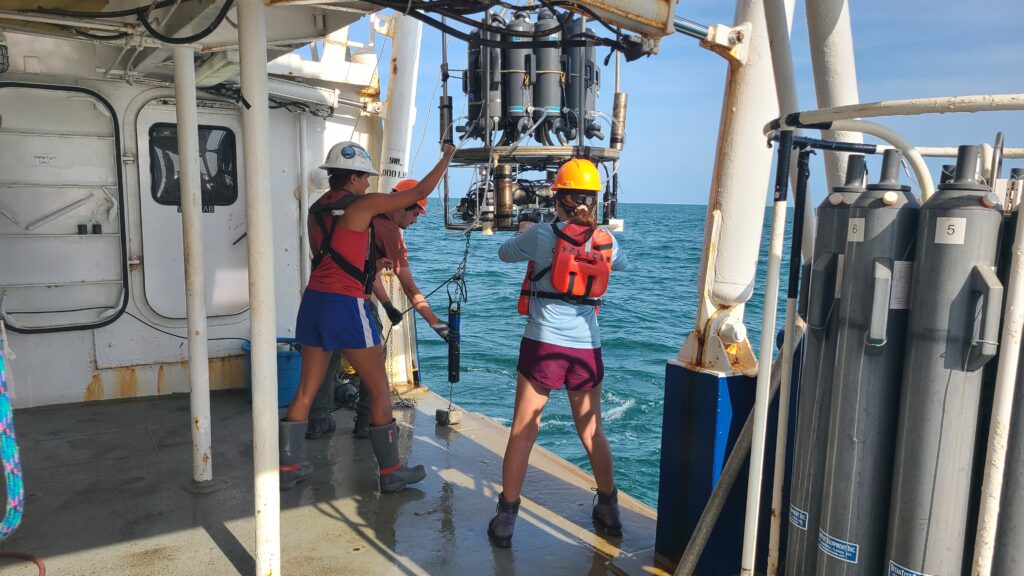
The annual hypoxic zone survey was led by scientists at Louisiana State University and the Louisiana Universities Marine Consortium (LUMCON)offsite link. The survey cruise was conducted aboard the LUMCON research vessel Pelican from July 24-30. Data from the survey is available onlineoffsite link for the public.
The measured hypoxic zone is smaller than anticipated this year due to Tropical Storm Bertha passing through the northern Gulf of America on the eve of the cruise. Tropical storm-force winds and high waves churned the water across the cruise area and mixed oxygen-rich surface waters down to the seabed. Although the cruise did not capture the full extent of the zone, years with abnormal weather events help researchers better understand how these events impact the breakup and reformation of hypoxia in the Gulf and ultimately lead to better models and forecasts.

“Measuring the hypoxic zone provides more than just a score card of the Gulf’s ocean oxygen levels — it helps us better understand the interconnectivity of our nation’s land, waterways and ocean,” said Timothy Petty, Ph.D., NOAA assistant secretary of commerce for oceans and atmosphere, and deputy administrator. “The data we’ve gathered from 40 years of measurements in the region will help inform the development of better management strategies upstream as part of our ongoing efforts to mitigate future impacts in the Gulf.”