Celebrating Oysters During Oyster Week
By fisheries.noaa.gov, fisheries.noaa.gov.
Oysters are great multitaskers!
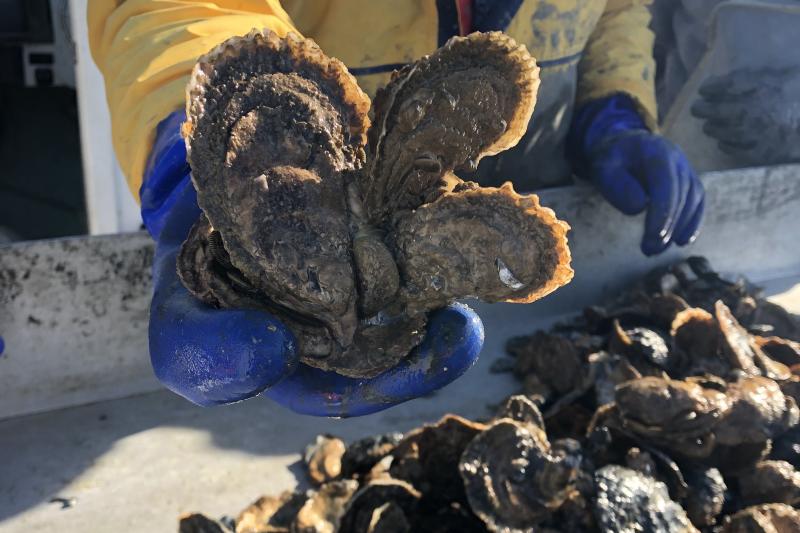
They provide many benefits to the ecosystem they live in. They are filter feeders—they clean the water as they eat. And they grow in reefs, which provide great habitat for many other species. But in many places, their population has plummeted. So we work to restore oyster reefs that provide important habitat.
They are also a popular seafood. At NOAA, we support research and policy development to grow sustainable aquaculture in the United States. And while they’re growing, aquaculture-grown oysters deliver extra benefits.
Oyster Facts
Some oyster species are native to the United States, while others have been introduced to support shellfish farming.
- The Eastern oyster is the only native oyster on the East Coast of North America—it is found from Canada around to the Gulf Coast, and in the Chesapeake Bay
- The Pacific oyster, introduced from Japan, is a popular West Coast aquaculture species
Oyster Restoration Features
How Do Oyster Reefs Provide Habitat?
Oysters live in salty or brackish coastal waters, clustering on older shells, rock, piers, or any hard, submerged surface. They fuse together as they grow, forming rock-like reefs that provide habitat for other marine animals and plants. Discover the value of oyster reef habitat.
Learn more about oyster reef habitat

Coming Soon: 70 More Acres of Oyster Reef
Building on more than a decade of progress, together with our partners, we’re continuing to restore oyster reefs in the Chesapeake Bay—like this project in Maryland’s Hooper Strait.
Read about the project to restore reefs in Hooper Strait