Search for More Stories:
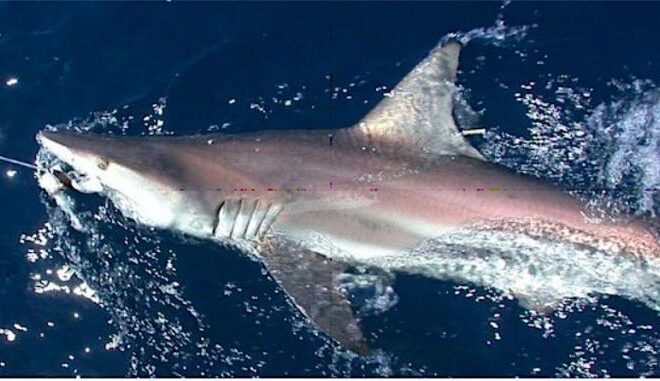
Reliable Shark Taggers Make Citizen Science Program Possible
By fisheries.noa.gov. The Cooperative Shark Tagging Program In 1961, John “Jack” Casey began studying the life history of shark species in the Northwest Atlantic Ocean. At the time, he worked at the U.S. Fish and Wildlife Service's Bureau of Sport Fisheries and Wildlife Laboratory in Sandy Hook, New Jersey. The following year,… SEE MORE

The 2024 Total Eclipse & NASA
By science.nasa.gov. On April 8, 2024, a total solar eclipse will cross the continental United States, providing an exciting and breathtaking opportunity for observation and science. A total solar eclipse happens when the Moon passes between the Sun and Earth, completely blocking the face of the Sun. People located in… SEE MORE
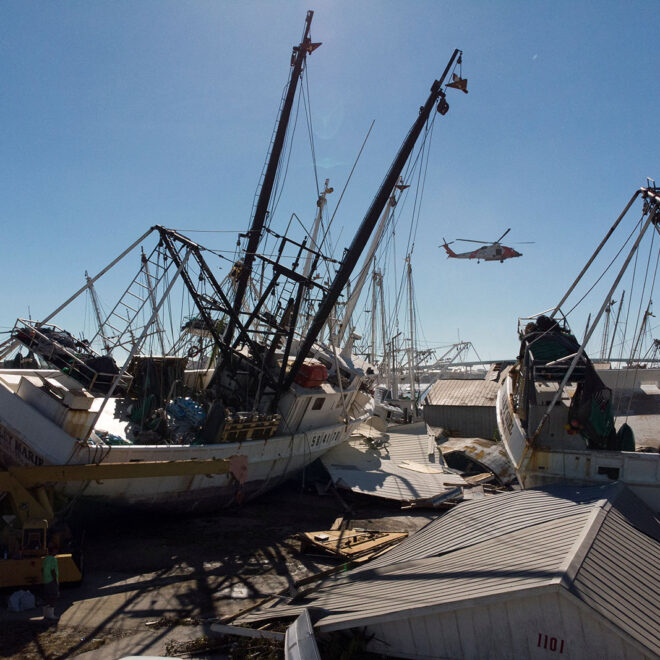
More than $42 million newly allocated to U.S. fishery disaster relief
By nationalfisherman.com More than $42 million in federal fishery disaster relief is being allocated to help U.S. fishermen, from the hurricane-wracked Louisiana Gulf coast to Alaska’s Yukon River salmon communities. U.S. Secretary of Commerce Gina M. Raimondo announced the disaster aid packages Monday for Alaska, California, Louisiana, Mississippi, Oregon and… SEE MORE
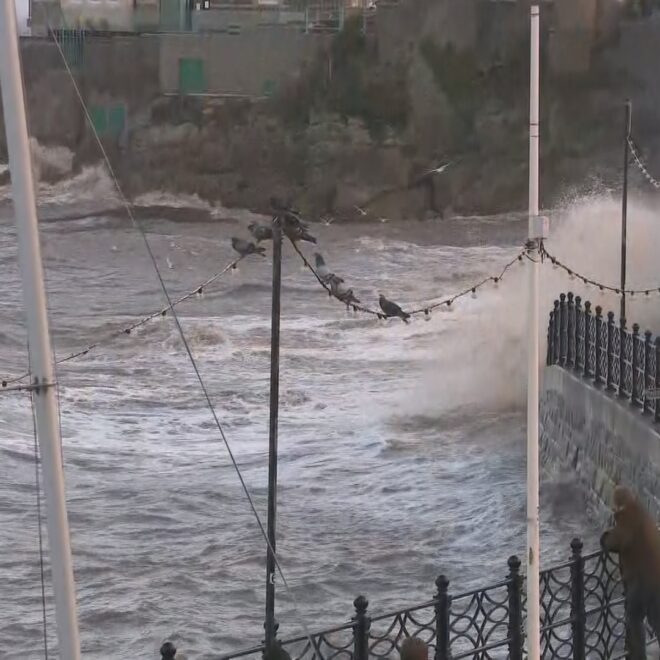
Rebuilding in Maine
By Paul Molyneaux. Two back-to-back storms devastated the coast of Maine from Jan. 10-13, flooding shoreside infrastructure and tearing away many of the docks that serve the state’s commercial fisheries. Photos of damage from Kittery to Canada filled pages on FaceBook and Instagram. Now that the waves have diminished and the tides… SEE MORE
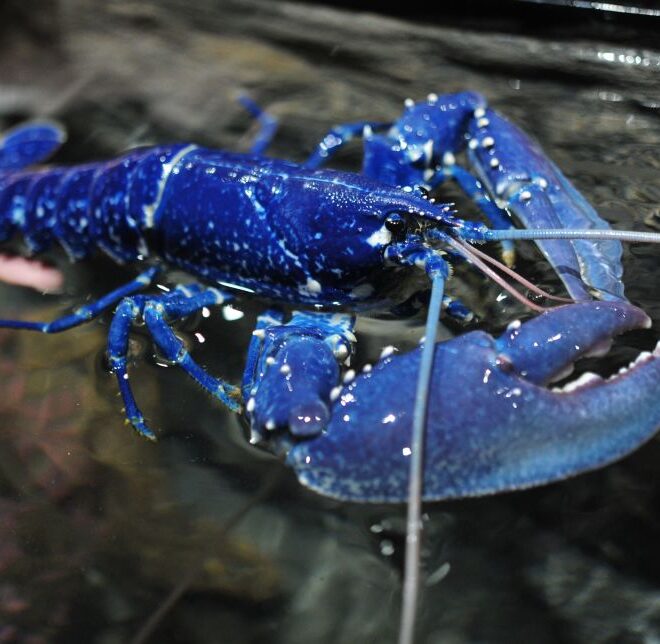
Why do Lobsters Come in Rare Colors? This Team of UNE Researchers Wants to Find Out
By Gillian Graham. At first glance, the lobster moving slowly through the water looks like most others caught in the Gulf of Maine. But when Dr. Markus Frederich pulls it from a tank of seawater at the University of New England, the difference is immediately clear. The lobster, named Currant,… SEE MORE
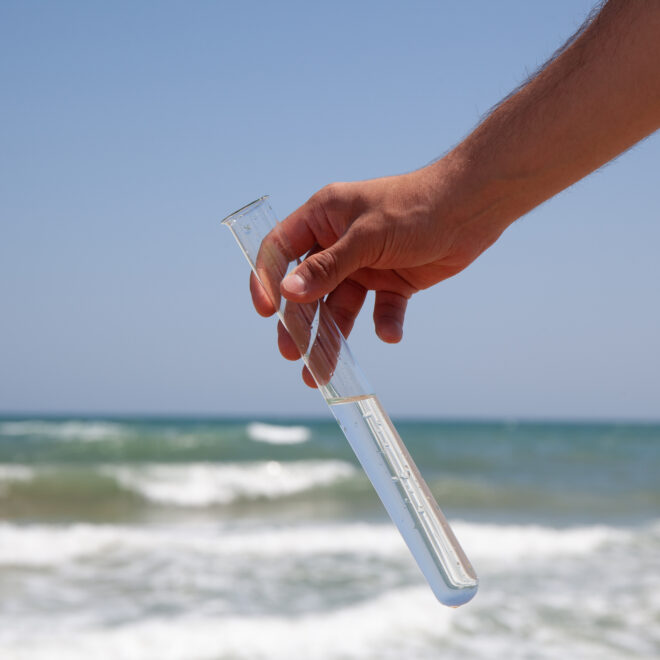
New Research on Microbes Expands the Known Limits for Life on Earth and Beyond
By COREY BINNS. Stanford study on microbes in extremely salty water suggests life may survive conditions previously thought to be uninhabitable. The research widens the possibilities for where life may be found throughout our solar system and shows how changes in salinity may affect life in aquatic habitats on Earth.… SEE MORE
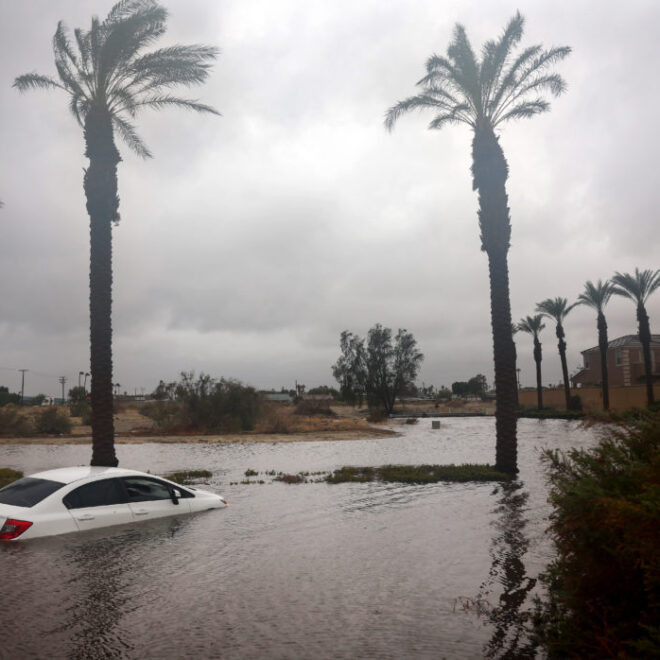
Clusters of Atmospheric Rivers amp up California Storm Damages
By LAURA CASTAÑÓN. When multiple atmospheric rivers hit California back-to-back, the economic damage from resulting rain and snowfall is three to four times higher than predicted from individual storms, a Stanford study finds. The insight could help water managers and disaster planners better prepare for future impacts of climate change.… SEE MORE
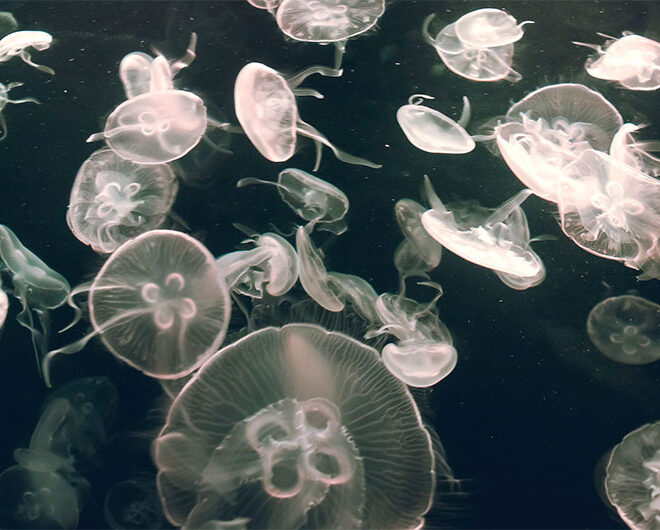
Top 10 Oldest Animals on Earth in 2024
By Mahvash Kazmi. While the average human may live around 71 years, the animal kingdom hosts some remarkable exceptions that dwarf this number with their extraordinary lifespans. In nature, size often correlates with longevity, with larger animals tending to live longer because of their slower-paced metabolism and heart rates. This biological… SEE MORE
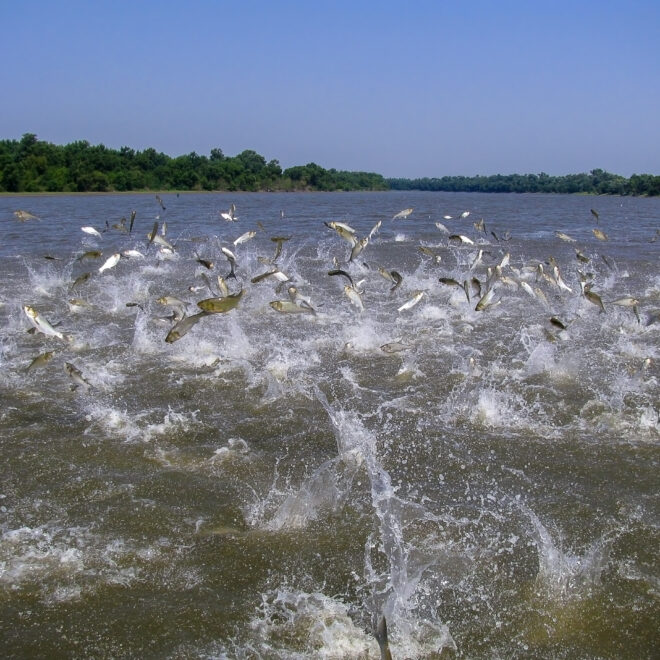
Sustainable Dining and Commercial Fishing: The answer to invasive Asian Carp?
By Carli Stewart. A professor at the University of Missouri-Columbia, Mark Morgan, has spent over a decade researching Asian carp, an invasive species to the United States. Also known as silver carp, the fish was introduced to the U.S. in the 1970s to help with water purification in catfish ponds.… SEE MORE
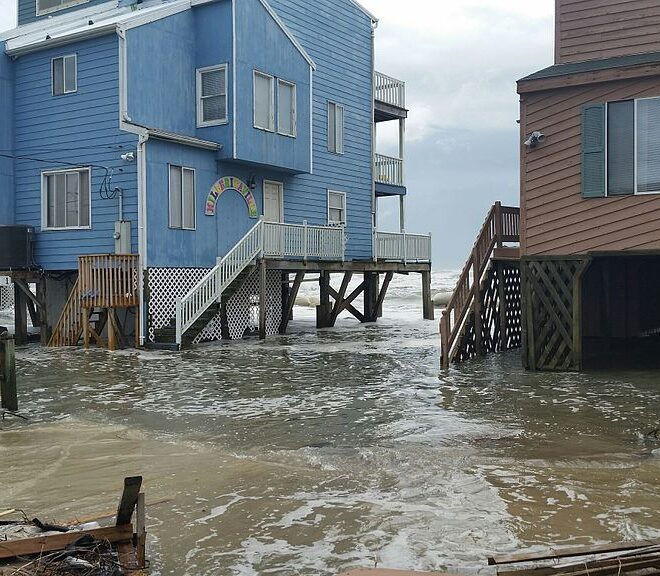
High Tide Flooding Outlook for February 2024
By US Harbors. Coastal Flooding Predictions for February 2024 This month NOAA is predicting "likely" high-tide flooding only for Hilo Bay / Kuhio Bay, Hawaii! Otherwise the Northeast, Mid-Atlantic, West Coast, and Hawaii are indicated for potential flooding in the 2nd week of February. Surprisingly NOAA is not predicting any locations… SEE MORE
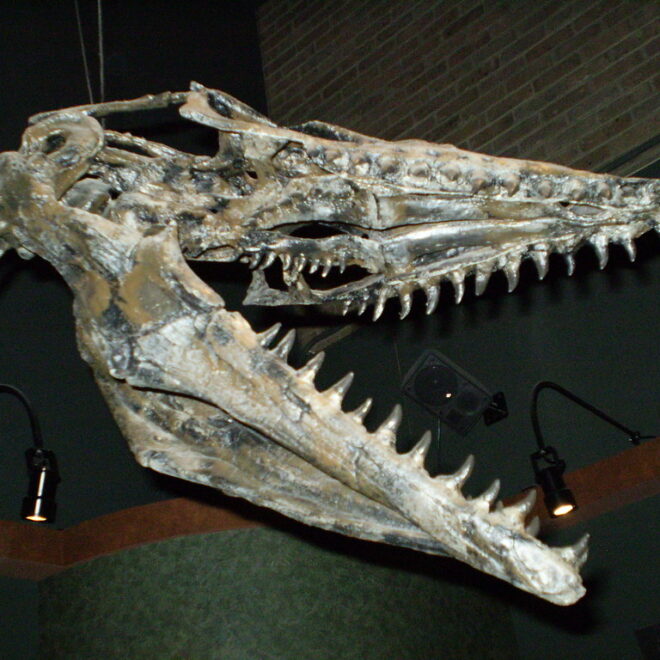
A Sea Monster from the Deep
By Lidia Goldberg. The well-preserved skull of a gigantic Pliosaur, a prehistoric sea creature, was discovered on the beach in Dorset county, southern England. 150 million years ago, Pliosaur’s dominated ocean habitats while dinosaurs dominated land. It is not the first time a pliosaur fossil has been discovered, although this… SEE MORE
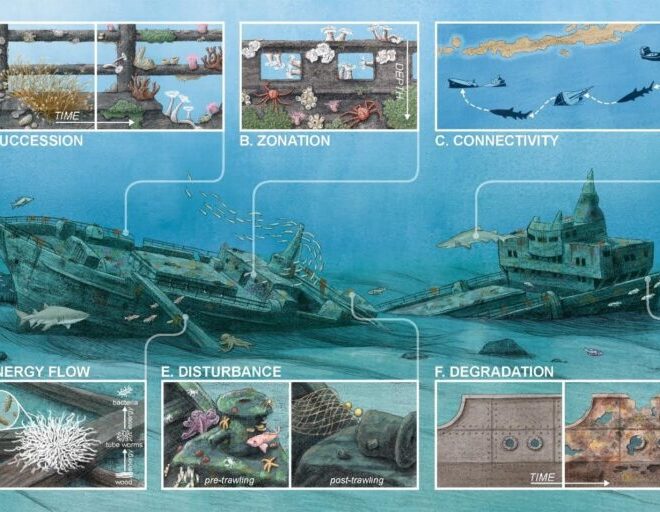
Scientists Study Shipwrecks to Understand Underwater Ecology
By coastalscience.noaa.gov. In a newly published paper in BioScience, NCCOS scientists collaborated with an international team of ecologists and archaeologists to describe how shipwrecks provide a unique opportunity to study complex ecological processes. The synthesis focuses on a range of fundamental ecological functions and processes and how they manifest on and around shipwrecks.… SEE MORE