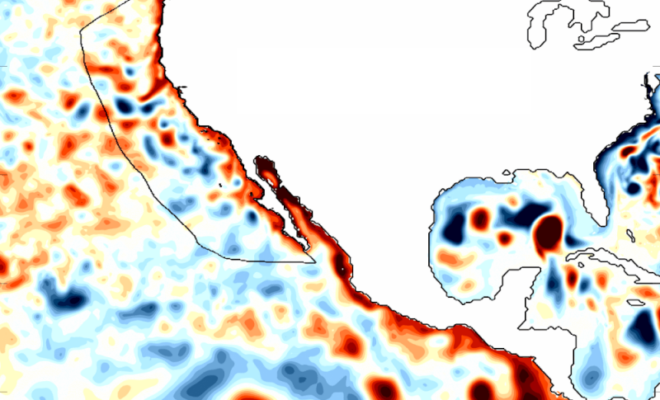
Coastally-trapped Kelvin waves, a signature of El Niño, traveled north along the West Coast during the 1997/1998 El Niño, as shown in a map of sea surface height anomalies. Darker reds show sea levels higher than normal, while darker blues show heights below normal. Scientists are now watching for similar waves to move up the West Coast this fall. Credit: Dillon Amaya/North Carolina State University

Ocean Indicators We’re Tracking for El Niño’s Arrival on the West Coast

9/5/2026 - By fisheries.noaa.gov, fisheries.noaa.gov. Has El Niño reached the West Coast? You might think it has. After all, the ocean off Southern and Central California is unusually warm. But that is from a recent marine heatwave predates the current El Niño. Much of the Pacific Coast is experiencing relatively normal conditions while still… SEE MORE
High-performance computers are crucial tools for weather and climate forecast models. (Image credit: iStock)

NOAA’s Use Of Cloud Infrastructure Grows To Include Weather Prediction Models

8/1/2026 - By noaa.gov, noaa.gov. In the latest innovation to NOAA’s operational weather forecast model technology, the agency announced today that it is moving its high-performance supercomputing operations to the commercial cloud. This transition of NOAA’s Weather and Climate Operational Supercomputing System (WCOSS) supports current and future improvements to NOAA’s suite of… SEE MORE
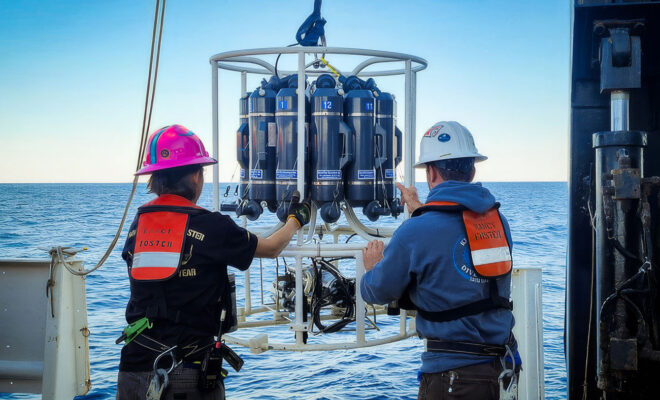
The image depicts two individuals on the deck of a research vessel at sea, engaged in deploying a piece of oceanographic equipment that measures temperature and depth

Why NOAA Matters: Maine’s Island Institute Makes the Case

7/30/2026 - Why NOAA Matters: Maine's Island Institute Makes the Case Every mariner who checks a forecast before leaving the dock, every harbormaster tracking a king tide, and every fishing family checking for water temperature shifts is relying, often without thinking about it, on the National Oceanic and Atmospheric Administration, commonly shortened… SEE MORE
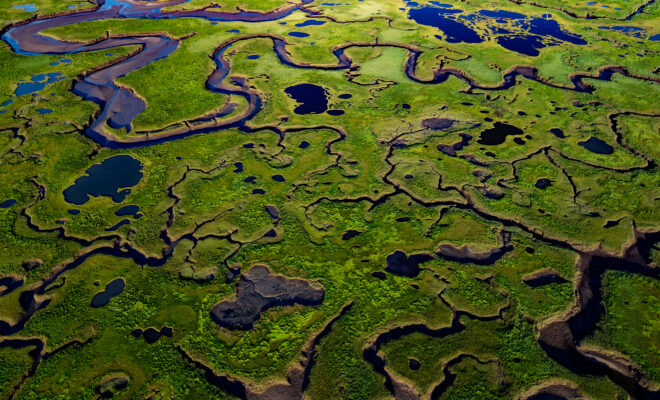
This image is of a salt marsh in coastal Maine. The high-resolution, land cover mapping NOAA has done for the state captures the tidal creeks, pannes, pools and vegetation with far greater precision and detail than past, 30-meter mapping. (Image credit: NOAA)

The Coast Is Clear-er: NOAA Unveils New Land Cover Maps 900 Times Greater In Detail

6/7/2026 - By noaa.gov, noaa.gov. NOAA is releasing new, higher-resolution land cover maps for coastal Alabama, Mississippi, Northeastern Ohio, Rhode Island, and the Puget Sound in Washington. The data will be made available through the Digital Coast website and will provide these communities with better information for decisions related to stormwater management, water quality… SEE MORE
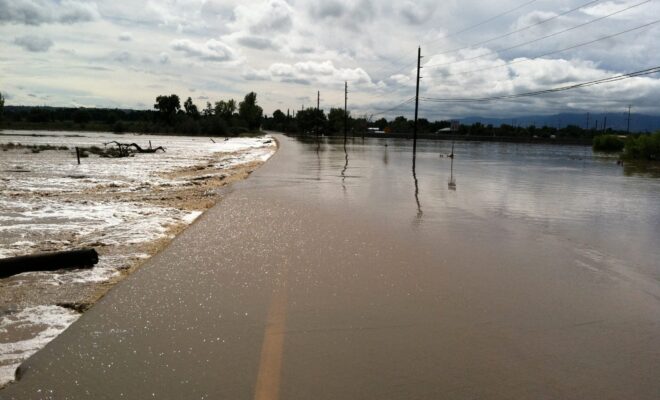
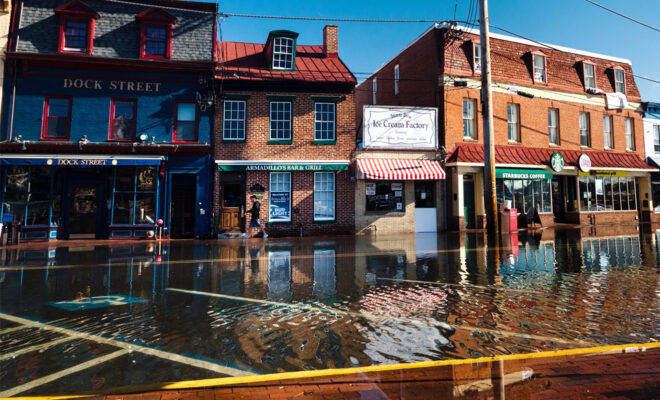
High-tide flooding on October 24, 2017, submerged roads and parking areas along Dock Street, in the historic heart of Annapolis, Maryland. Photo by Will Parson, Chesapeake Bay Program. Used with permission.

El Niño and High Tide Flooding, a Possible Double Whammy for Some Coastal Communities in 2026

5/24/2026 - By oceanservice.noaa.gov, oceanservice.noaa.gov. NOAA’s National Weather Service is predicting El Niño is likely to emerge by July 2026 and continue through the winter, and for many locations in the U.S. this could mean more high tide flooding. To understand why more flooding is expected, it helps to understand what El Niño is and… SEE MORE
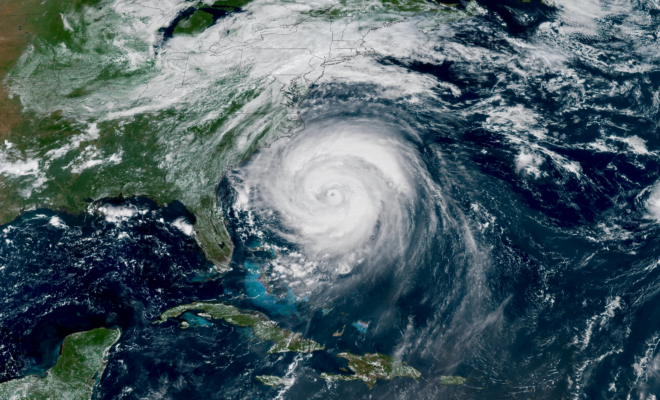
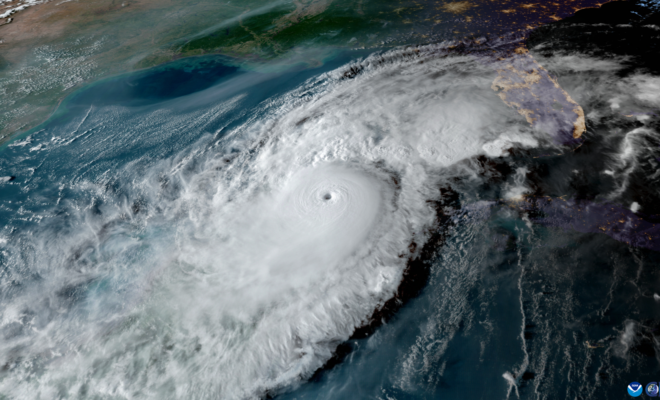
Image of Hurricane Milton from NOAA's GOES-16 satellite on Oct. 8, 2024. (Image credit: NOAA)

National Hurricane Center to Issue New Forecast Cone Graphics for 2026 Hurricane Season

4/10/2026 - By noaa.gov, noaa.gov. Other product enhancements include Hawaii Storm Surge Watches & Warnings As part of a suite of product improvements for the 2026 hurricane season [PDF], NOAA’s National Hurricane Center (NHC) is implementing two new tropical products and services: a new operational hurricane track cone map, and new storm surge alerts… SEE MORE
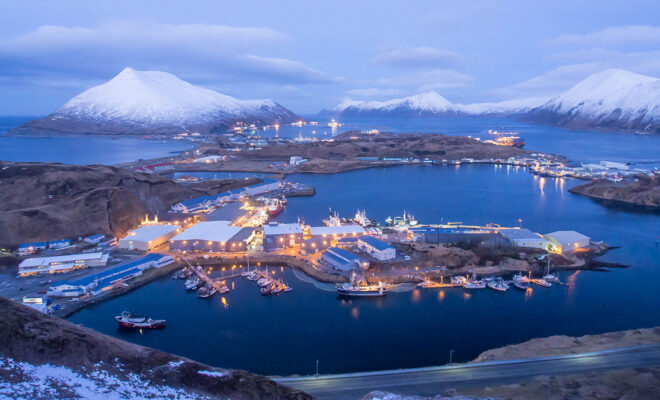
A Bering Sea pollock fleet prepares to depart Dutch Harbor, Alaska, for another season of the largest commercial fishery in the United States. (Image credit: S. Zmolek/NOAA)

NOAA Strengthens Commitment to World-Class Tsunami Monitoring and Detection in Pacific

4/2/2026 - By noaa.gov, noaa.gov. National Mesonet Program ensures seismic detection continues to operate in real time A new agreement between NOAA, the Alaska Mesonet and the seismic network operated by the University of Alaska-Fairbanks Alaska Earthquake Center (UAF AEC) is funding nine AEC-owned seismic stations that support near-real-time tsunami threat information.… SEE MORE