NOAA Scientists Discover Repeat Spawning in Pacific Capelin
By fisheries.noaa.gov, fisheries.noaa.gov.
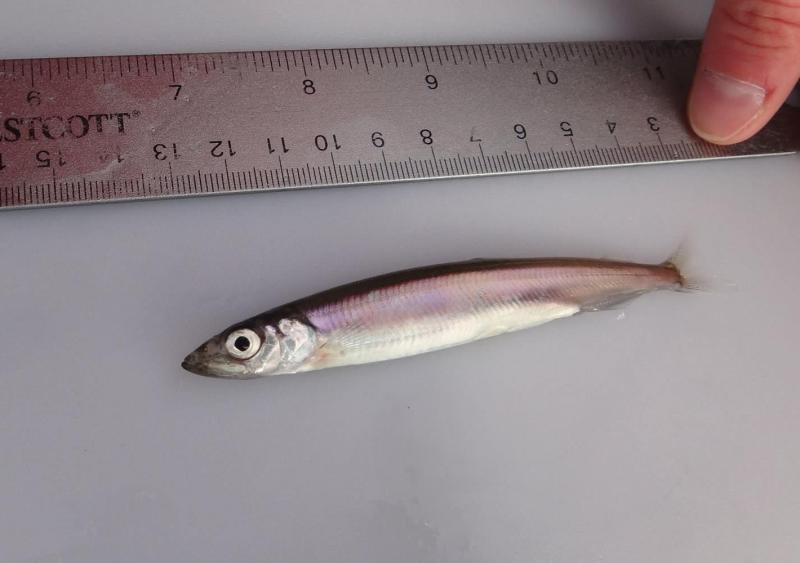
For certain fish species, like Pacific salmon, reproduction is a once-in-a-lifetime event, known as semelparity. Many other fish are iteroparous—meaning they can spawn repeatedly throughout their lives. New research by NOAA’s Alaska Fisheries Science Center reveals the first evidence that Pacific capelin can be repeat spawners.
Over the past decade, the North Pacific Ocean has faced extreme climate variability, including marine heatwaves that severely impacted capelin populations. Understanding capelin’s reproductive flexibility under these fluctuating conditions is crucial for predicting their annual reproductive potential and long-term resilience. Capelin abundance is also an important indicator of the marine ecosystem health.
Examining Reproductive Flexibility in Fluctuating Environments
Historically, the life history, ecology, behavior, and population dynamics of Pacific capelin have not been studied as well as their commercially important counterparts in the Atlantic. In North Pacific and Arctic ecosystems, Pacific capelin serve as a major forage fish and primary food source for Steller sea lions, humpback whales, and other marine mammals. They also are a key subsistence resource and an important food source for commercially important groundfish.
Capelin are short-lived—typically surviving only 1 to 4 years. Their abundance fluctuates wildly in changing environments, leading to multiyear population crashes during marine heatwaves. Recent research highlights that these heatwaves shrink capelin distribution and deplete their energy reserves. Ultimately, these combined stressors leave capelin highly vulnerable to mortality and put the predator populations that rely on them at risk of decline.
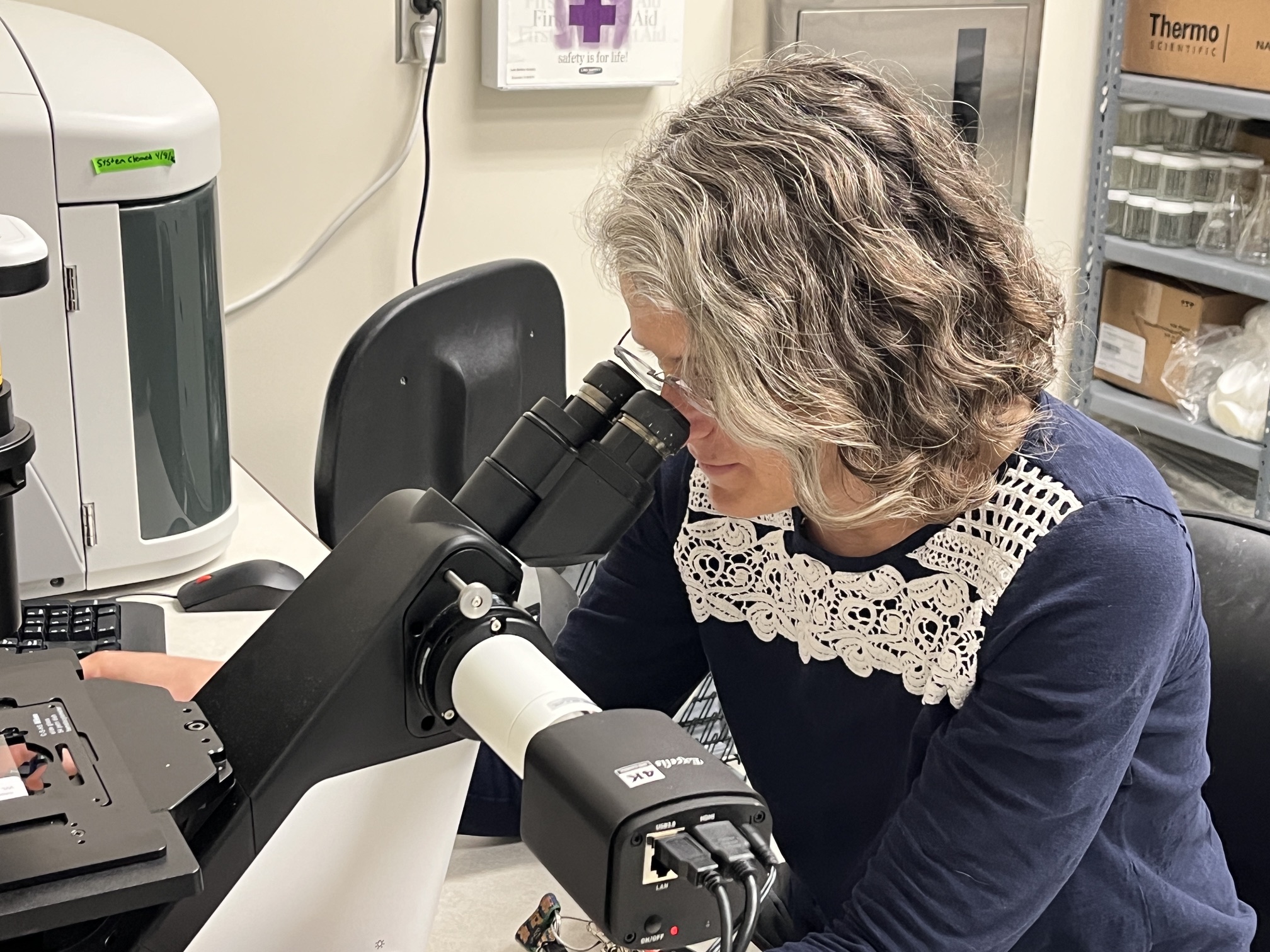
In this new experimental study of captive fish, NOAA scientists looked more closely at the spawning potential of Pacific capelin. They researched their life history and how they respond to shifting environments.