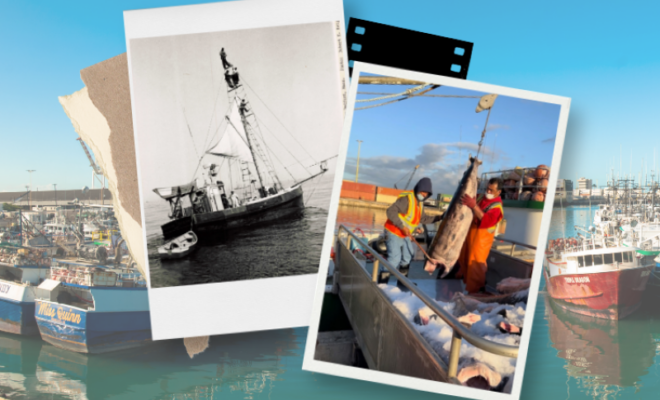
Archival photo of New England swordfishing vessel (left) courtesy of NOAA Fisheries; Background photo and photo offloading fish (right) courtesy of Hawaii Longline Association/Eric Kingma

Highly Migratory Species Management: Managing Shared Resources at Home and Around the World

10/16/2026 - By fisheries.noaa.gov, fisheries.noaa.gov. Highly migratory species—like Atlantic yellowfin tuna, Pacific albacore, and Atlantic swordfish—travel thousands of miles across state, national, and international boundaries throughout their lives. These important commercial and recreational fisheries support seafood businesses and coastal communities across the United States. But highly migratory fish don’t recognize state or national borders, so… SEE MORE
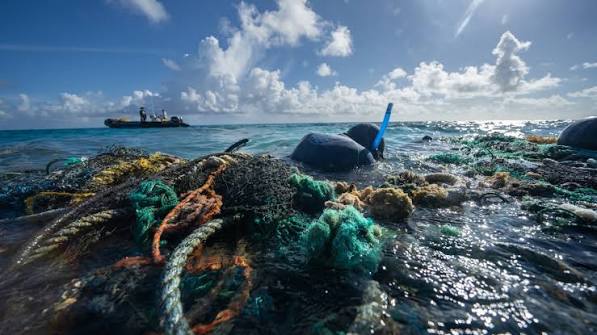
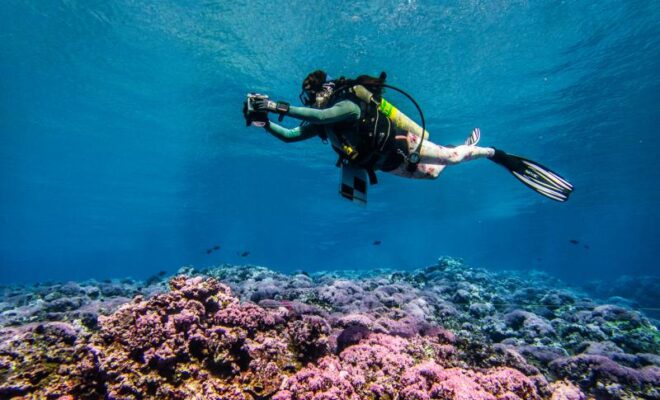
A freediver from the Papahānaumokuākea Marine Debris Project works to carefully remove a ghost net from the reef at Kamokuokamohoali‘i (Maro Reef) in Hawaii. (Image credit: Andrew Sullivan-Hawkins/Papahānaumokuākea Marine Debris Project (Under permit # PMNM-2024-003))

Large-scale Marine Debris: 4 Ways to Clean up the Big Stuff

10/12/2026 - By fisheries.noaa.gov, fisheries.noaa.gov. Marine debris is a challenging problem. Across the country, NOAA and partners remove everything from lost fishing gear tangled on the seafloor to sunken vessels, abandoned tire reefs, and other trash that have become hazards to navigation and marine ecosystems in the ocean and Great Lakes. Beginning in… SEE MORE
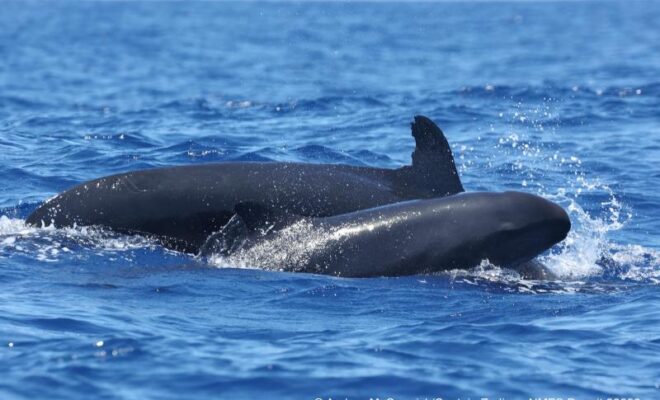
Endangered insular false killer whale HIPc0280 with her new calf. Credit: Captain Zodiac/Andrea McCormick (NOAA Fisheries Permit #26596)

Seeing Double: Good News for Rare False Killer Whales in Hawaiʻi

9/24/2026 - By fisheries.noaa.gov, fisheries.noaa.gov. Research partners spotted two endangered main Hawaiian Islands insular false killer whale calves this year, and they’re starting to grow up! This is a rare and exciting discovery for this small, resident population of only about 140 individuals [caption id="" align="alignright" width="437"] Range of the endangered main… SEE MORE
Image Credits: Flickr.com.

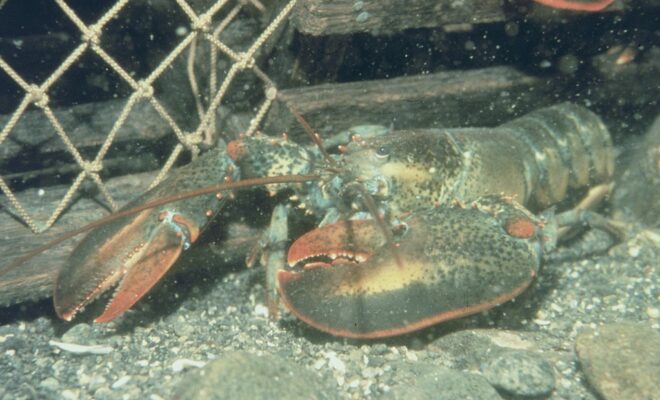
Is Offshore Construction Noise Stressing New England’s Lobsters? WHOI Scientists Want to Know

9/8/2026 - By Kiran Johnson, whoi.edu. As offshore wind farms multiply along the New England coast, a question with real consequences for one of the region's most valuable fisheries is getting its first rigorous scientific investigation: does the noise from wind farm construction affect the American lobster? WHOI scientists are working alongside… SEE MORE
Image Credits: fisheries.noaa.gov.

Technology Week: Launching into the Future with Advanced Technologies

8/21/2026 - By fisheries.noaa.gov, fisheries.noaa.gov. NOAA scientists rely on cutting-edge technology to collect and analyze the data needed to manage our ocean resources and habitats. Because some ocean creatures live in remote areas and have complex life cycles, better understanding them requires unique tools. By leveraging advanced technologies, we gather critical data to… SEE MORE
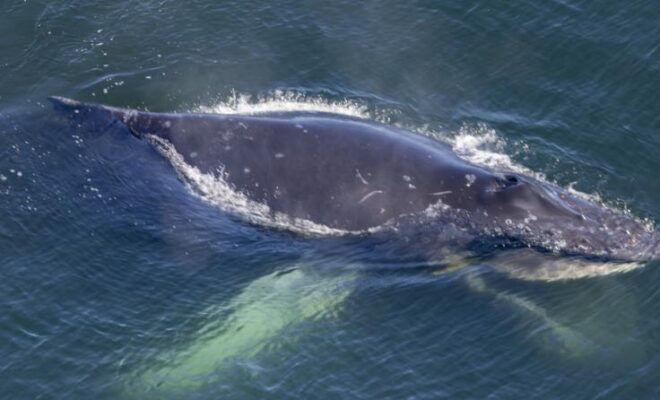
A researcher in a U.S. Coast Guard helicopter first spotted the entangled humpback anchored to the bottom about 20 miles off the Oregon Coast. The whale’s white pectoral flipper extends underwater to the lower left, while white baleen outlines its open lower jaw at bottom right. The entanglement left the whale’s mouth stretched permanently open, making it unable to feed. Photo collected in partnership with Oregon Coast Aquarium, Oregon State University Marine Mammal Institute and Cascadia Research Collective.

Fishing Vessel Joins Trained Team to Free Injured Humpback Whale 20 Miles off Oregon Coast

8/16/2026 - By fisheries.noaa.gov, fisheries.noaa.gov. An Oregon team joined by experts from Washington and a local fisherman freed a severely entangled humpback whale about 20 miles off the Oregon Coast on July 26. While the team removed all of the gear from the whale, the entanglement left the young whale’s jaw permanently… SEE MORE
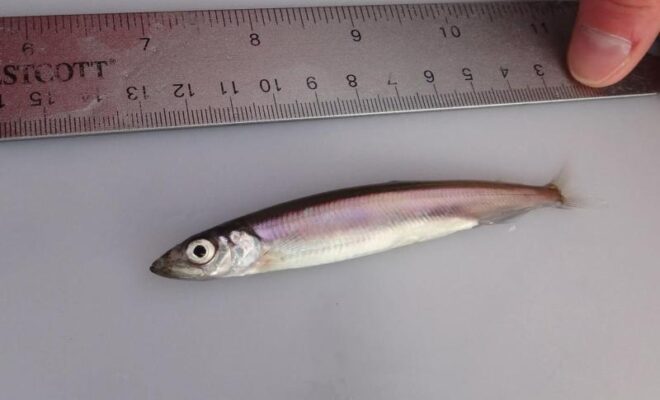
Pacific capelin with unknown maturity. Scientists make microscopic observations to determine if capelin spawn only once or if they are capable of spawning over multiple years. Credit: NOAA Fisheries

NOAA Scientists Discover Repeat Spawning in Pacific Capelin

8/12/2026 - By fisheries.noaa.gov, fisheries.noaa.gov. For certain fish species, like Pacific salmon, reproduction is a once-in-a-lifetime event, known as semelparity. Many other fish are iteroparous—meaning they can spawn repeatedly throughout their lives. New research by NOAA’s Alaska Fisheries Science Center reveals the first evidence that Pacific capelin can be repeat spawners. Over the past decade,… SEE MORE
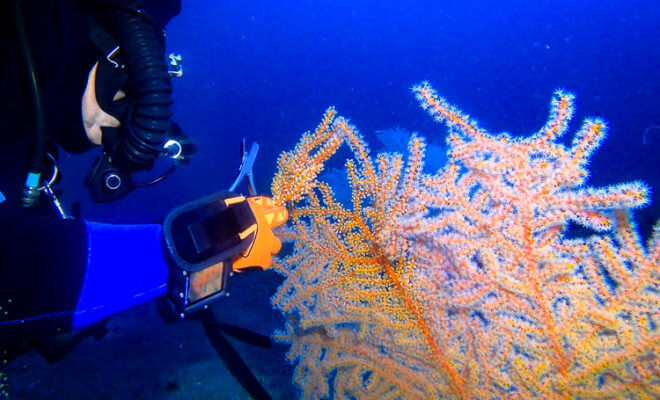
Divers propagating mesophotic coral fragments to start new colonies

Deep Diving and Innovation to Restore the Gulf’s Mesophotic Corals

7/30/2026 - By fisheries.noaa.gov, fisheries.noaa.gov. Deep in the Gulf of America lies a vital but little-known habitat. In the "mesophotic" (middle light) zone are coral ecosystems that are essential to the Gulf’s food web. In 2010, the Deepwater Horizon oil spill injured extensive areas of this delicate environment. Today, scientists across federal agencies and… SEE MORE
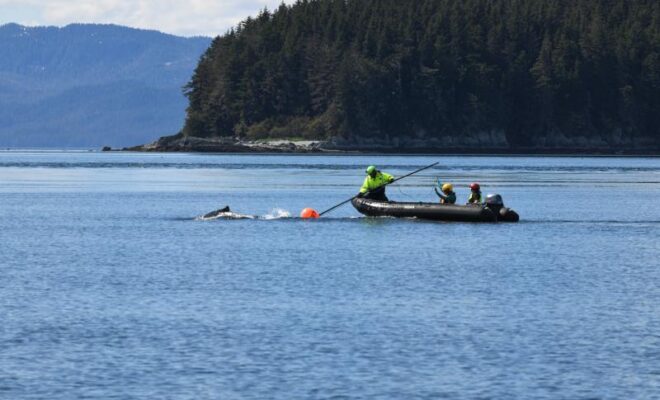
The NOAA Fisheries response team uses poles with specialized knives to cut entangling lines. Credit: Alaska Department of Fish and Game/Jamie Musbach (NOAA Fisheries Permit # 24359)

Humpback Whale Successfully Freed from Entanglement in Endicott Arm

7/26/2026 - By fisheries.noaa.gov, fisheries.noaa.gov. The Tracy Arm-Fords Terror wilderness, located 50 miles south of Juneau, Alaska, features a pair of steep glacial fjords: Tracy Arm and Endicott Arm. While remote, the waters in this area see steady vessel traffic, ranging from massive cruise ships and small charter boats to commercial fishing… SEE MORE