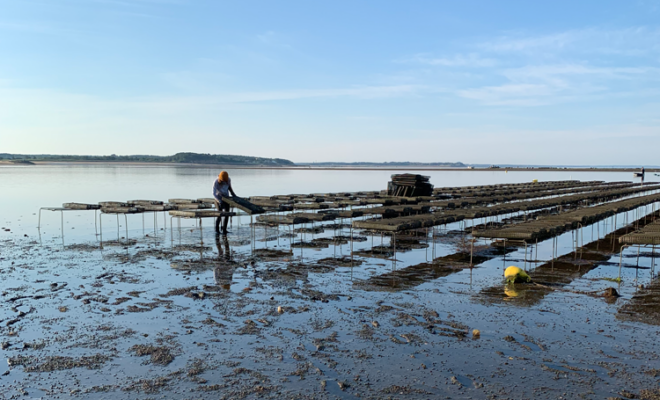
A person tends to oyster beds at an oyster farm in Wellfleet, Massachusetts. (Image credit: NOAA Fisheries)

NOAA Strengthens Commitment to Aquaculture Through New Cooperative Institute

6/28/2026 - By noaa.gov, noaa.gov. Today, NOAA announced the University of New Hampshire as host institution for the new NOAA Cooperative Institute Fostering Aquaculture Research and Markets (CIFARM) to expand NOAA’s impact and strengthen efforts to boost American seafood competitiveness. After a highly competitive application process, this new five-year cooperative institute will harness partnerships… SEE MORE
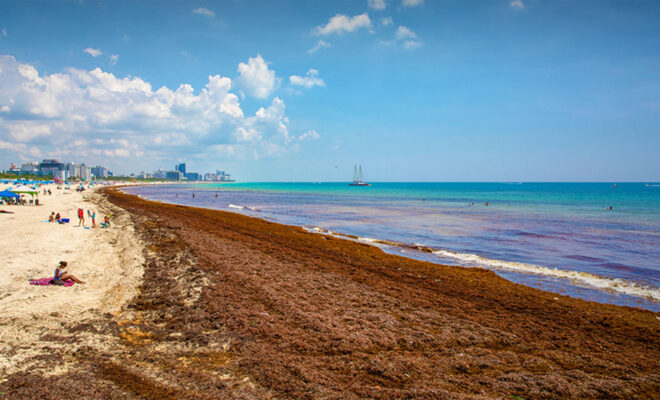
South Beach on Miami Beach was inundated by Sargassum seaweed on June 21, 2018. Credit: Michael Montero/University of Miami

NOAA Sargassum Tool Now Provides Daily Update of Risk of Seaweed Washing up on Beaches

5/18/2026 - By research.noaa.gov, research.noaa.gov. Upgrade will help communities anticipate impacts, risks, and supports planning and response. NOAA’s Sargassum Inundation Risk tool (SIR) has been upgraded to offer daily reports on the location and risk that brown floating algae could wash ashore along coastal areas in the Caribbean, Florida, Gulf of America, and northern… SEE MORE
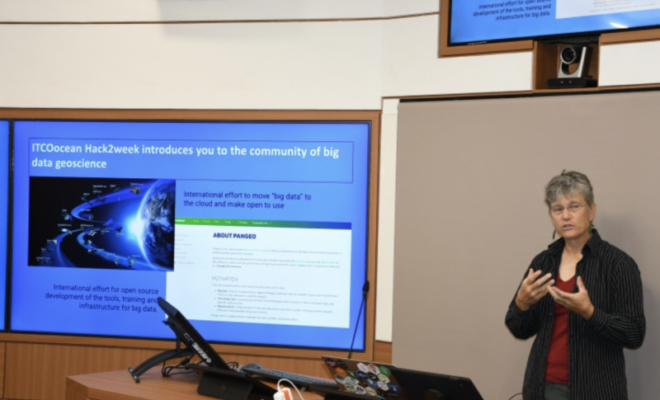
Dr. Holmes led a hack2week workshop as part of a NOAA International Fellowship in India in September 2023. Credit: International Training Centre for Operational Oceanography

Breaking Barriers to “Big Earth Data”

5/12/2026 - By fisheries.noaa.gov, fisheries.noaa.gov. Dr. Elizabeth "Eli" Holmes received the prestigious Earth Science Information Partners Martha Maiden 2026 Award in January. Dr. Holmes’ 25-year career at NOAA Fisheries demonstrates a deep commitment to advancing open science, fostering collaboration across agencies, and inspiring the next generation of scientists. At NOAA’s Northwest Fisheries Science Center, Dr.… SEE MORE
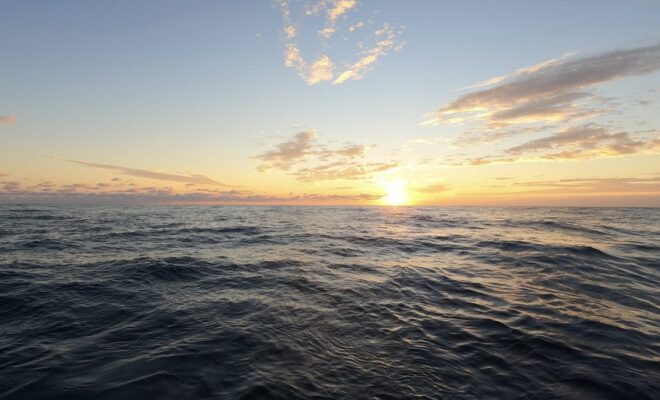
(Photo by Taylor Crockford, ©Woods Hole Oceanographic Institution)

WHOI Study Reveals the Hidden Molecules That Drive the Ocean’s Carbon Cycle

4/4/2026 - By whoi.edu, whoi.edu. The surface waters that boaters, anglers, and coastal communities depend on are teeming with invisible chemical exchanges that help regulate Earth's climate. A new study led by Woods Hole Oceanographic Institution and Columbia University has identified the specific molecules that marine phytoplankton release into seawater — compounds… SEE MORE
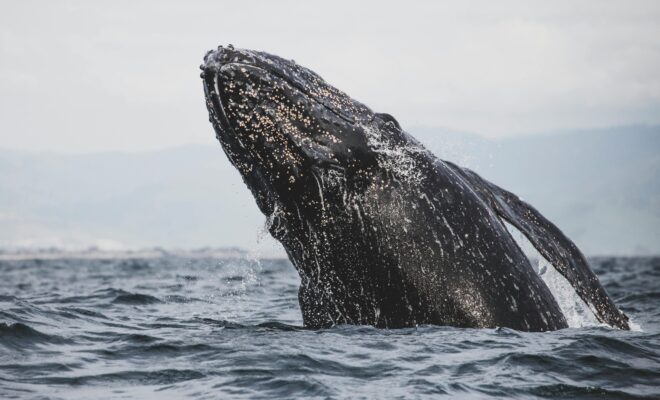
A drone carries a suction-cup tag toward a humpback whale. A successful deployment attaches cleanly near the dorsal fin, allows the whale to continue natural behavior without disturbance, collects high-quality data, and later releases for recovery. Photo: Ed Lyman/NOAA Permit #25754

Practice Makes Perfect: Drone Operations in Hawaiian Islands Humpback Whale National Marine Sanctuary

12/18/2025 - By sanctuaries.noaa.gov, Published in sanctuaries.noaa.gov. A well-placed multi-sensor tag on a humpback whale allows researchers to track its underwater movements and observe its behavior. But how do whale researchers practice dropping these suction cup tags from a drone onto the back of a massive ocean animal? With a surfboard, of… SEE MORE