Weather News & Resources Filter
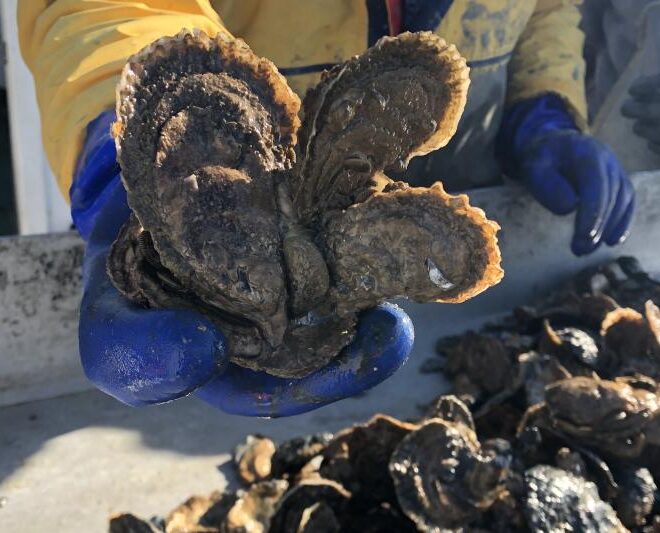
Celebrating Oysters During Oyster Week
By fisheries.noaa.gov, fisheries.noaa.gov. Oysters are great multitaskers! They provide many benefits to the ecosystem they live in. They are filter feeders—they clean the water as they eat. And they grow in reefs, which provide great habitat for many other species. But in many places, their population has plummeted. So we… SEE MORE
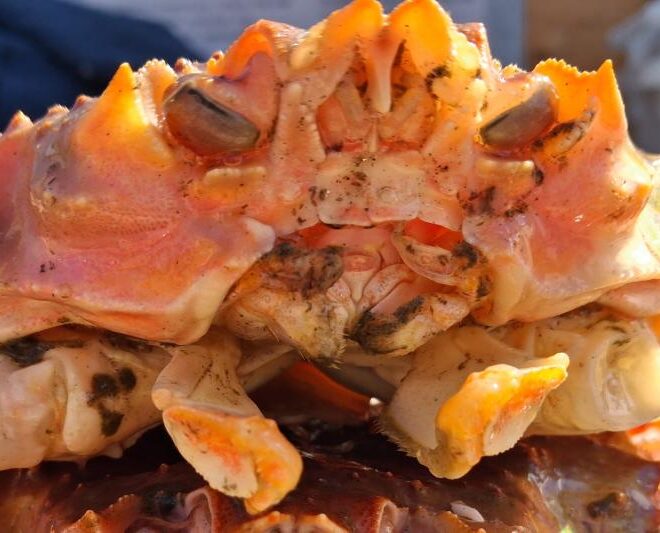
Marine Heatwave Triggered a Hybrid Crab Surge in the Bering Sea
By fisheries.noaa.gov, fisheries.noaa.gov. A team of scientists at the Alaska Fisheries Science Center’s Kodiak Laboratory has uncovered an unexpected ecological aftermath following the major 2018–2019 Bering Sea marine heatwave. The results, published in a new Proceedings of the National Academy of Sciences study, show the abundance of snow-Tanner crab hybrids increased by more… SEE MORE
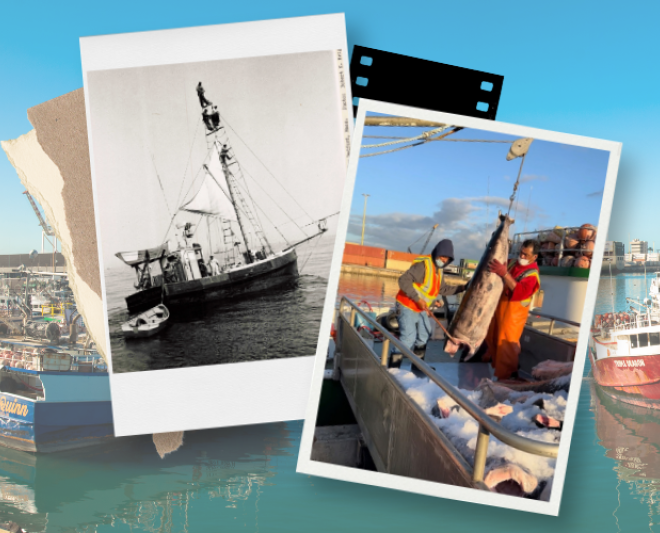
Highly Migratory Species Management: Managing Shared Resources at Home and Around the World
By fisheries.noaa.gov, fisheries.noaa.gov. Highly migratory species—like Atlantic yellowfin tuna, Pacific albacore, and Atlantic swordfish—travel thousands of miles across state, national, and international boundaries throughout their lives. These important commercial and recreational fisheries support seafood businesses and coastal communities across the United States. But highly migratory fish don’t recognize state or national borders, so… SEE MORE
FEATURED CONTENT
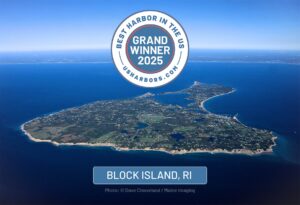
2025 "Best Harbor" Contest Winners Announced
The People Have Spoken: Block Island Wins Again! Grand Winner, Best Harbor in the U.S. for 2025: Block Island, RI Last year’s Grand Winner for Best Harbor in the U.S., Block Island, RI, took home the prize again for 2025. This year saw a record number of votes cast for over… Learn More
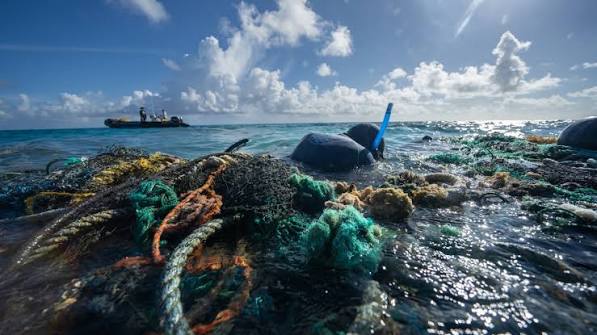
Large-scale Marine Debris: 4 Ways to Clean up the Big Stuff
By fisheries.noaa.gov, fisheries.noaa.gov. Marine debris is a challenging problem. Across the country, NOAA and partners remove everything from lost fishing gear tangled on the seafloor to sunken vessels, abandoned tire reefs, and other trash that have become hazards to navigation and marine ecosystems in the ocean and Great Lakes. Beginning in… SEE MORE
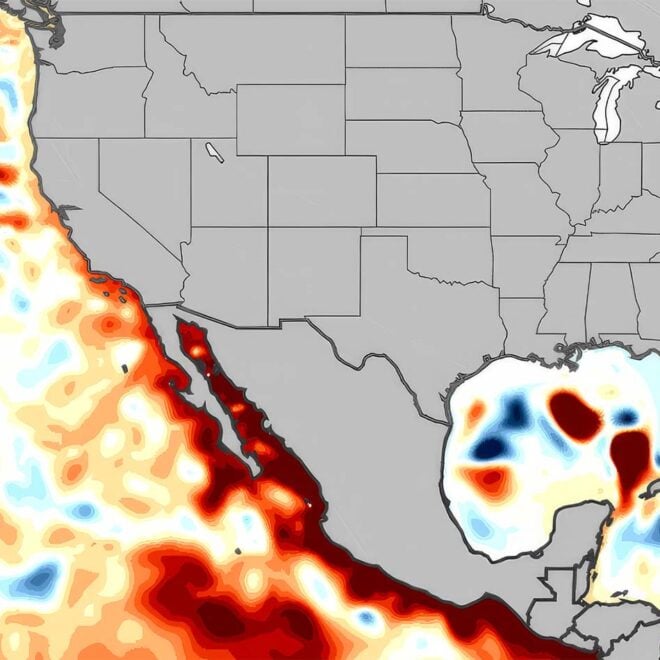
Kelvin Waves, Explained
By fisheries.noaa.gov, fisheries.noaa.gov. You may be hearing a lot about Kelvin waves in the news. What are Kelvin waves, and how are they related to El Niño? We asked oceanographer Michael Jacox, from the Southwest Fisheries Science Center and NOAA Physical Sciences Laboratory, to explain the phenomenon. What is a Kelvin wave and… SEE MORE
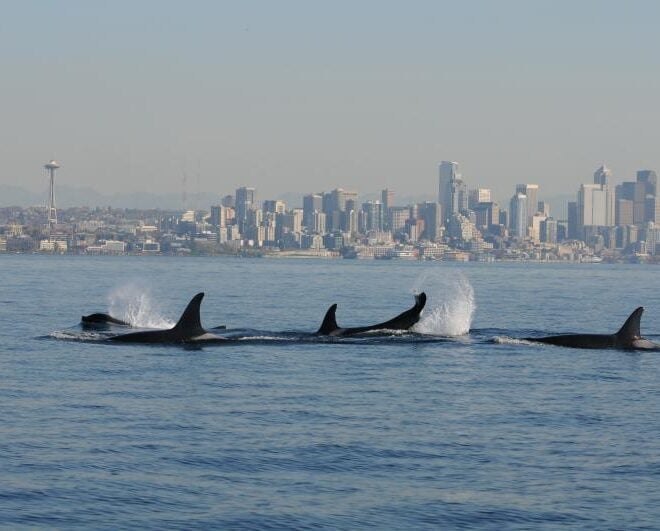
How Will El Niño Affect Your Local Fisheries?
By fisheries.noaa.gov, fisheries.noaa.gov. What does El Niño mean for U.S. fisheries and marine life? What can fishermen and coastal communities expect to observe and experience as this event continues and potentially intensifies? And what are scientists at NOAA Fisheries doing to track this natural phenomenon? The El Niño-Southern Oscillation is a powerful… SEE MORE
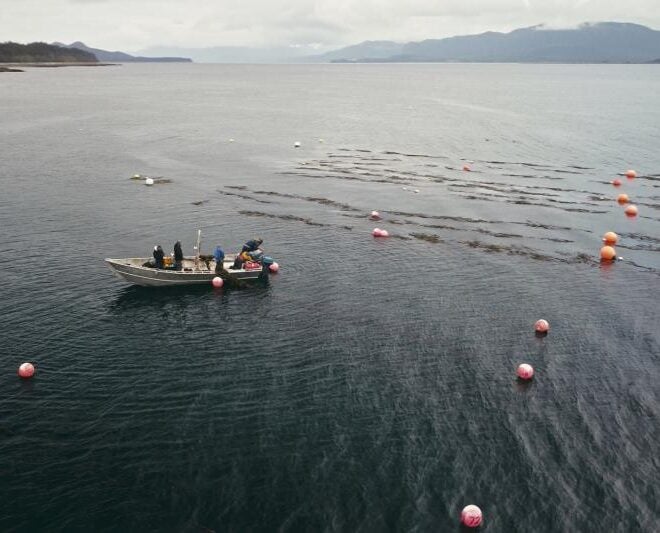
Kelp Farms and Marine Life Co-Exist in Southeast Alaska
By fisheries.noaa.gov, fisheries.noaa.gov. Marine aquaculture, or mariculture, provides economic opportunities for coastal communities in Alaska through farming shellfish and seaweed. NOAA Fisheries continues to support Alaska’s growing aquaculture industry through policy and permitting—providing access to resources and research. A recent study highlights one of our newest aquaculture research collaborations. Through this… SEE MORE
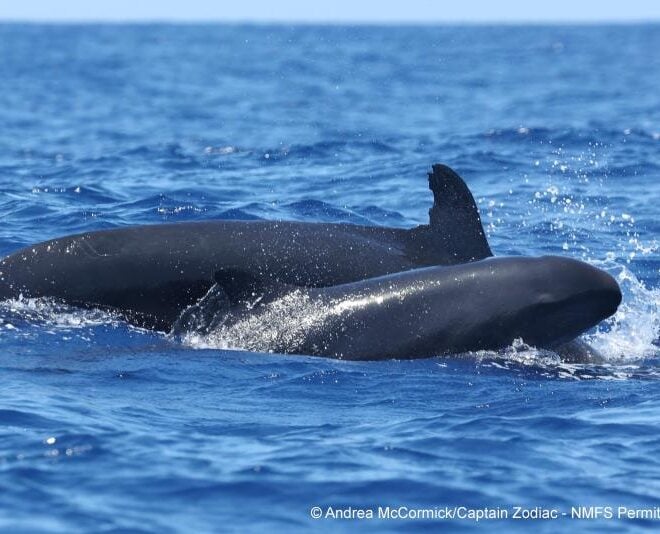
Seeing Double: Good News for Rare False Killer Whales in Hawaiʻi
By fisheries.noaa.gov, fisheries.noaa.gov. Research partners spotted two endangered main Hawaiian Islands insular false killer whale calves this year, and they’re starting to grow up! This is a rare and exciting discovery for this small, resident population of only about 140 individuals Range of the endangered main Hawaiian Islands insular false… SEE MORE
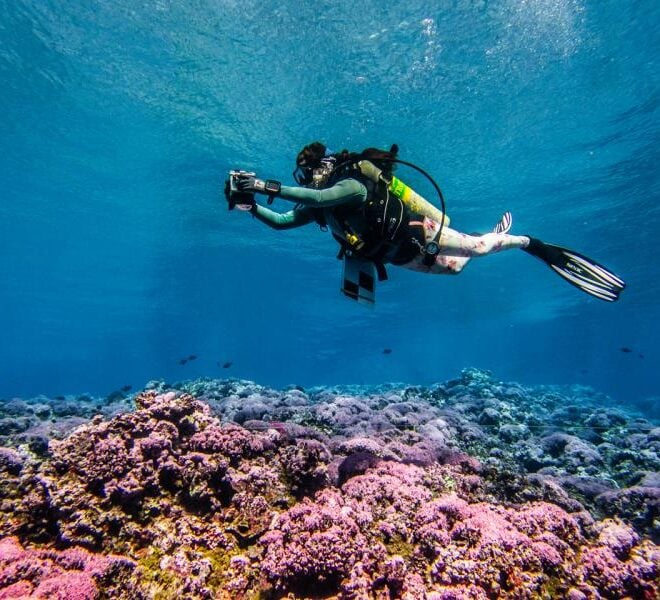
2026 Pacific Coral Surveys Complete
By fisheries.noaa.gov, fisheries.noaa.gov. NOAA scientists returned from American Samoa and the Pacific Islands Heritage Marine National Monument after conducting coral reef monitoring surveys. The team sailed south from Honolulu to Jarvis Island, Palmyra Atoll, and Kingman Reef, where they completed their suite of surveys. After a 2,000 kilometer transit down… SEE MORE
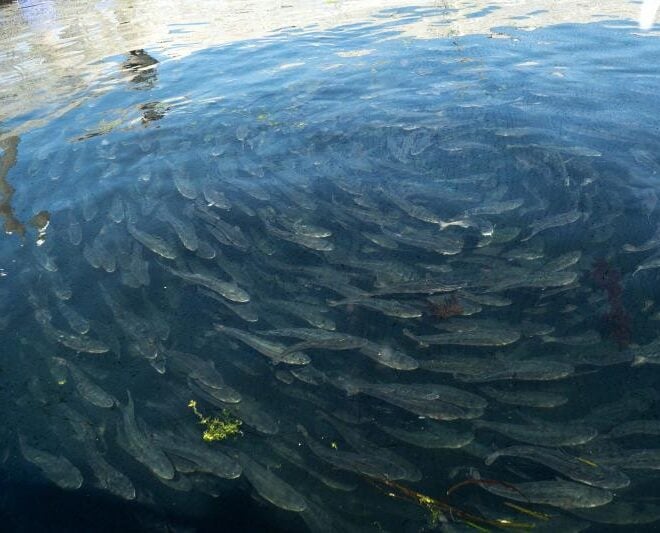
Managing Genetic Risk in Offshore Aquaculture
By fisheries.noaa.gov, fisheries.noaa.gov. Aquaculture can sustainably produce seafood to complement wild-caught fisheries. However, like all food systems, aquaculture requires sound science to ensure farmed species don’t harm wild species. Scientists at NOAA’s Southwest Fisheries Science Center are working to understand the genetic risks in offshore aquaculture. NOAA has identified 21,000… SEE MORE
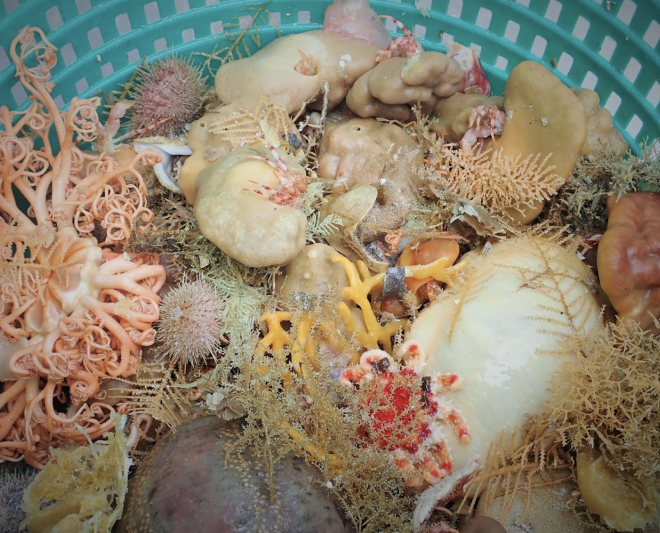
Nine Species of Deep-Sea Sponges Discovered in Alaska
By fisheries.noaa.gov, fisheries.noaa.gov. Scientists have discovered nine new species of sponges in the Gulf of Alaska and Aleutian Islands. The specimens were collected during the Alaska Fisheries Science Center’s long-standing annual bottom trawl surveys, which monitor the condition of groundfish and shellfish stocks in Alaskan waters. For these sponge studies, researchers… SEE MORE
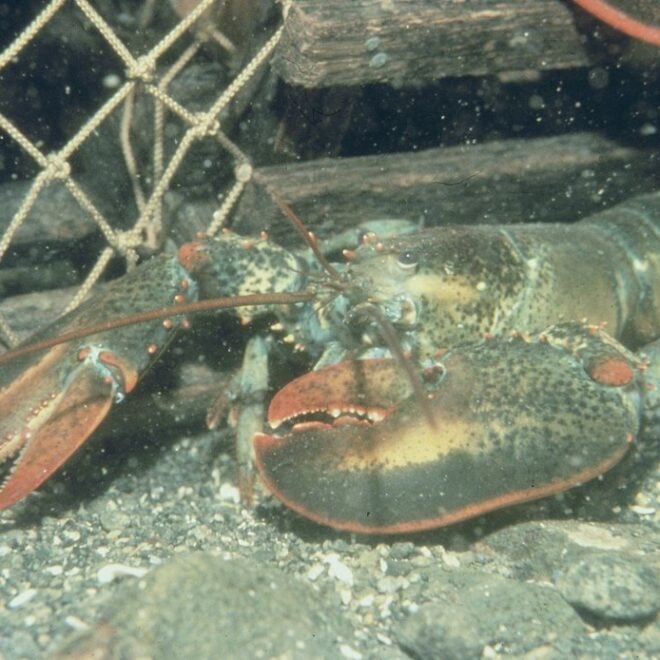
Is Offshore Construction Noise Stressing New England's Lobsters? WHOI Scientists Want to Know
By Kiran Johnson, whoi.edu. As offshore wind farms multiply along the New England coast, a question with real consequences for one of the region’s most valuable fisheries is getting its first rigorous scientific investigation: does the noise from wind farm construction affect the American lobster? WHOI scientists are working alongside… SEE MORE
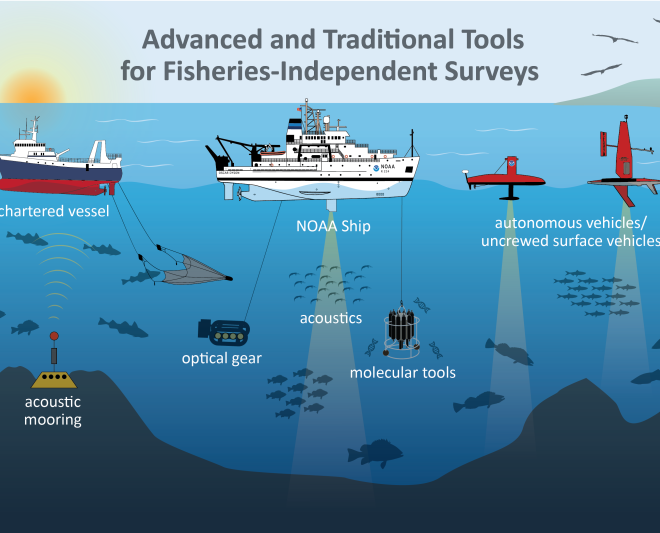
Charting the Future of Fisheries-Independent Surveys
By fisheries.noaa.gov, fisheries.noaa.gov. Fisheries-independent surveys operate on dedicated survey vessels and are the foundation of sustainable fisheries management. They provide the consistent data on marine resources we need to inform stock assessments. These data are collected using a scientifically rigorous sampling framework and are used to set catch limits. As… SEE MORE
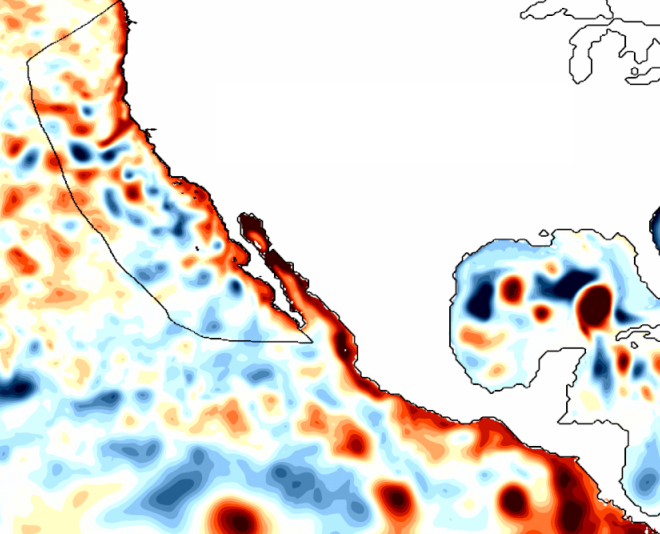
Ocean Indicators Help Track El Niño’s Arrival on the West Coast
By fisheries.noaa.gov, fisheries.noaa.gov. Has El Niño reached the West Coast? You might think it has. After all, the ocean off Southern and Central California is unusually warm. But that is from a recent marine heatwave predates the current El Niño. Much of the Pacific Coast is experiencing relatively normal conditions while still… SEE MORE
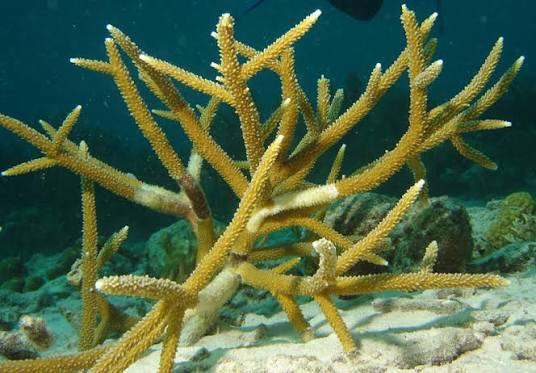
Coral IVF: How Scientists Are Breeding Heat-Resistant Reefs for Florida's Future
By Dawn Anderson, best4boats.com. The reefs that protect South Florida’s coastlines, harbors, and marinas are in crisis — and scientists at the University of Miami are using an unlikely tool to fight back: assisted reproduction. After a record marine heatwave in 2023 wiped out up to 100 percent of elkhorn… SEE MORE