Search for More Stories:
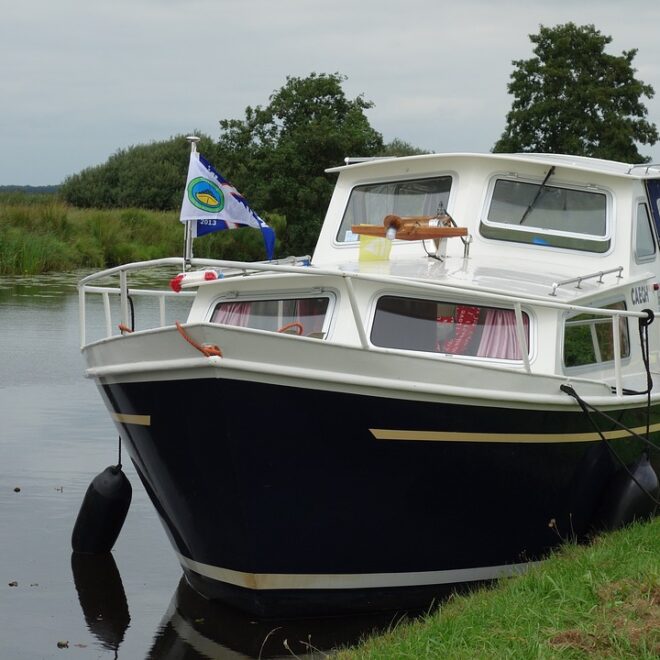
How To Be Safe When Boating on Crowded Waters
By James Moffitt. Boating on crowded waters over holiday weekends or during busy fishing seasons can be stressful, irritating, and even dangerous. Being confident in your understanding of basic maritime norms and boating safety will make it easier for you to safely navigate crowded waterways and avoid crashes. Below is… SEE MORE
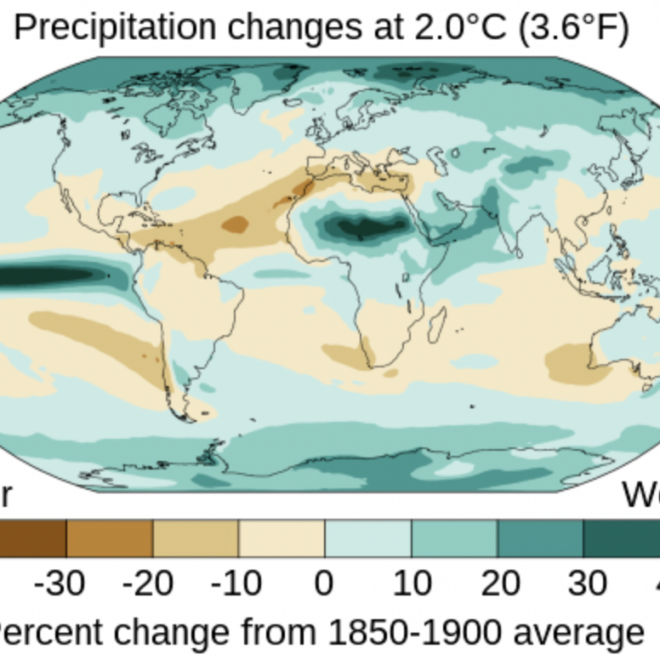
Using Our Oceans to Mitigate Climate Change
By ecomagazine.com. The ocean isn’t just impacted by climate change—it may also be part of the solution to reversing it. Direct ocean carbon capture (DOC) is an emerging form of negative emissions technology that has advantages over its on-land counterpart, direct air capture, because of its ability to avoid land… SEE MORE
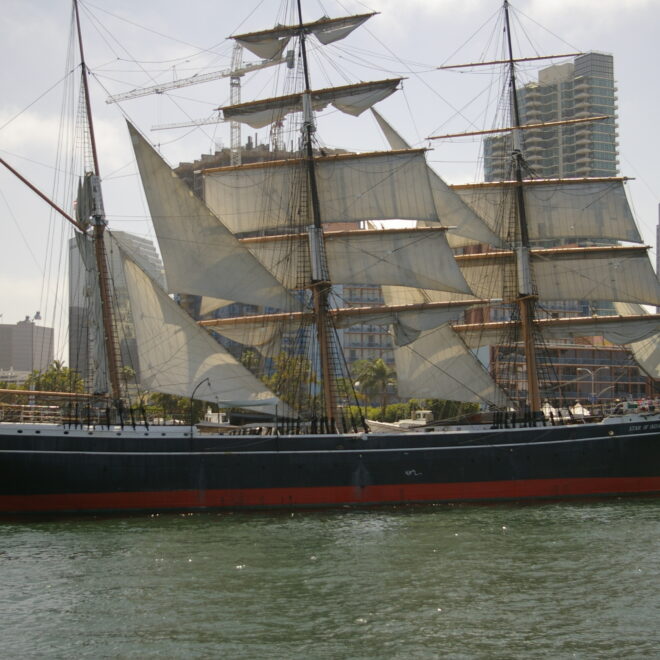
The Secrets of Ships’ Super Smooth Hulls
By Chris Baraniuk. In the late 1700s, King George III glimpsed the future of shipping. Sir Charles Middleton, comptroller of the British Royal Navy, approached the monarch with a vision. His pitch came with a demo—a specially modified model of a warship called the Bellona. The king’s eye soon fell on the… SEE MORE
Better Boating Etiquette
By soundingsonline.com. Ever wonder why power boaters and sailors often misunderstand each other’s intentions? It all comes down to understanding the other’s needs. While the intentional disruption of a day on the water is quite scarce, unintentional disruptions are usually the result of a misunderstanding of rules. In other words,… SEE MORE
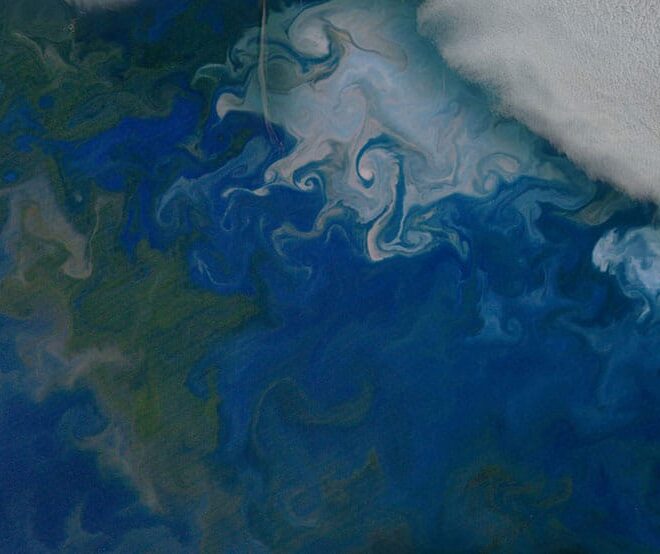
New Study Shows Effect of Climate Change on Ocean Color
By ecomagazine.com. Scientists from the National Oceanography Centre (NOC) have discovered changes in the color of more than half (56%) of the ocean as a result of changes in the plankton communities. The new paper titled “Global climate change trends detected in indicators of ocean ecology” explains that plankton communities… SEE MORE

Boat for Sale: "Vivace", an L. Francis Herreshoff Designed Rozinante
NEW: US Harbors is starting to feature special boats for sale! If you are interested in posting your boat please email us. "Vivace", a Classic Rozinante This traditional 28-ft LOA Rozinante masthead ketch was designed by L. Francis Herreshoff. It was built in 1992 by The Apprenticeshop in Rockland, Maine,… SEE MORE
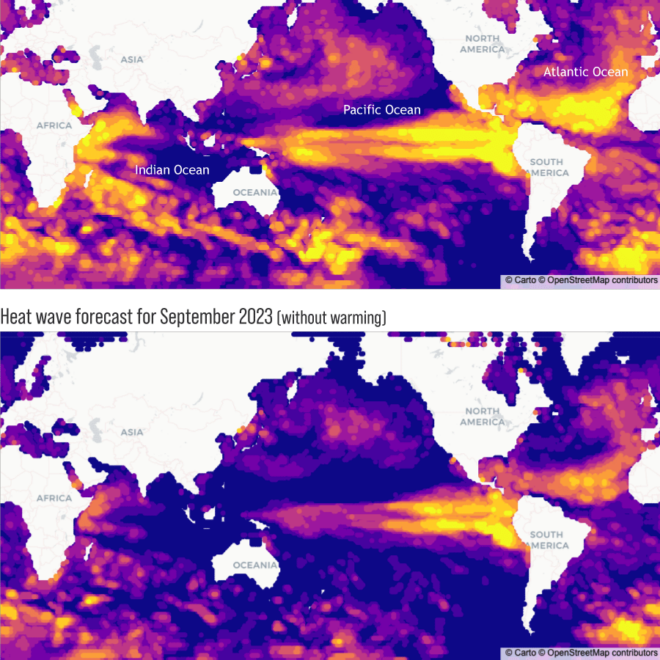
Ocean Warming since 1991 Doubles the Size of the Marine Heat Wave Forecasted for September 2023
By climate.gov. Earlier this week, NOAA launched a new website for monitoring and forecasting the size and intensity of ocean heat waves up to a year in advance. According to the experimental forecast issued in June, 50 percent of the global oceans could experience heat wave conditions by September 2023.… SEE MORE
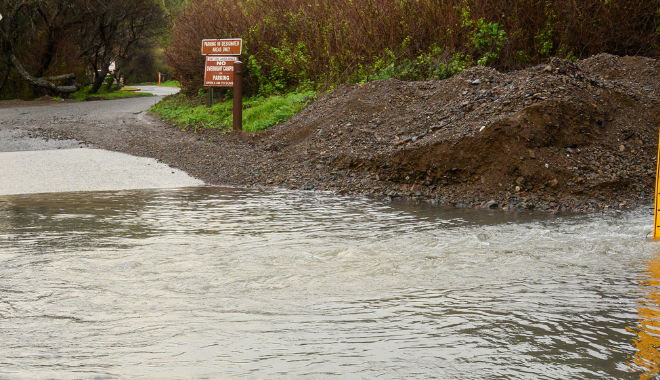
High Tide Flooding Outlook for August 2023
By US Harbors. August is Predicted to Bring the Highest Tides of 2023 When the perigean spring tides occur, both at the beginning and end of August, NOAA is predicting the tides will be higher—and lower—than normal for all regions of the U.S.. Perigean spring tides are when the Moon… SEE MORE
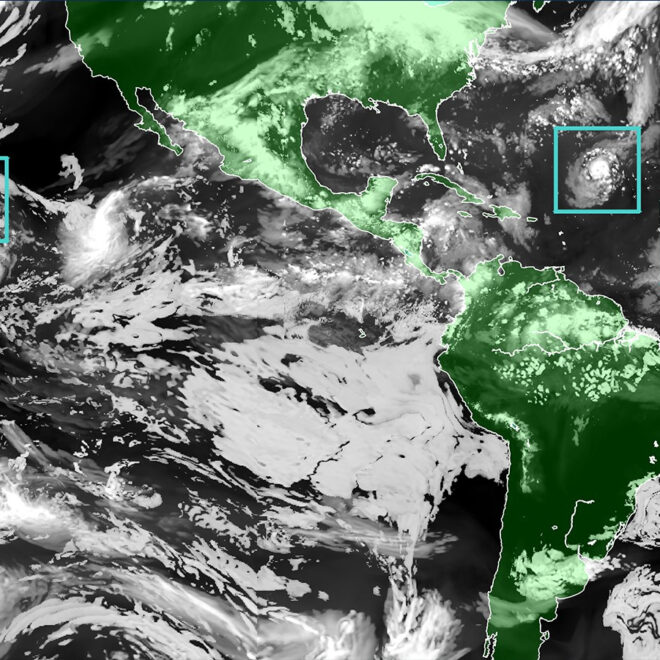
Earth just had its Hottest June on Record
By noaa.gov. NOAA’s National Hurricane Center — a division of the National Weather Service — has a new model to help produce hurricane forecasts this season. The Hurricane Analysis and Forecast System (HAFS) was put into operations on June 27 and will run alongside existing models for the 2023 season before replacing them as NOAA’s premier… SEE MORE
Shark Facts, Tips, and Other Weird Things About Selachimorpha
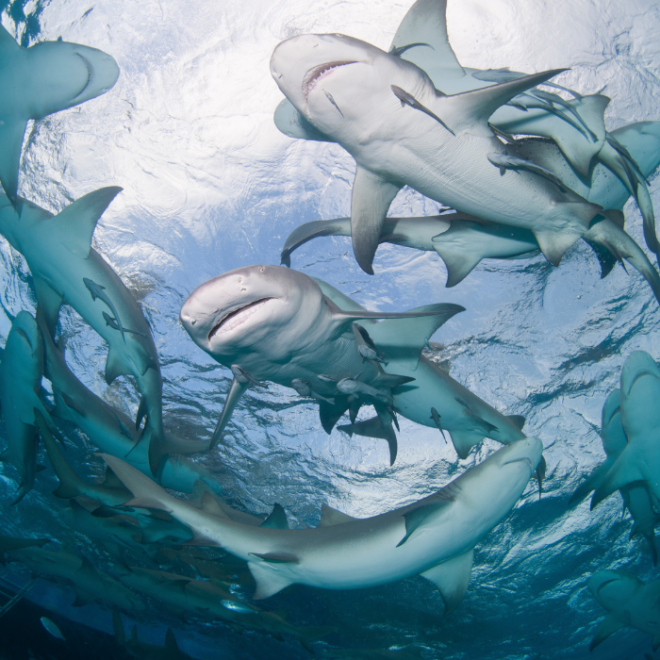
By US Harbors. It's the last day of "Shark Week" for the 2023 season, but that doesn't mean there is nothing more to see or learn about these compelling--and sometimes--maligned creatures. As a vital part of the ocean food chain, sharks are vulnerable to all the changes happening in the… SEE MORE
Earth just had its Hottest June on Record
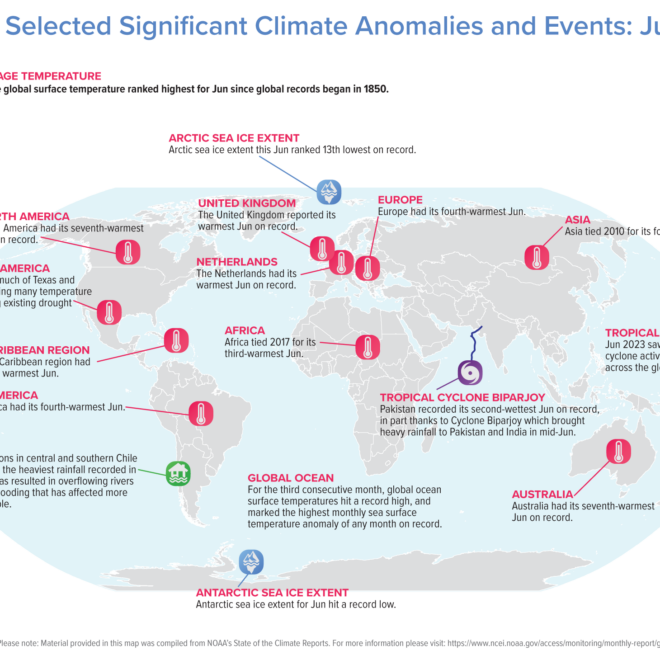
By noaa.gov. The world just sweltered through its hottest June in the 174-year global climate record. Additionally, Earth’s ocean surface temperature anomaly — which indicates how much warmer or cooler temperatures are from the long-term average — were the highest ever recorded, according to scientists from NOAA’s National Centers for Environmental Information. Here’s… SEE MORE
The Ongoing Marine Heat Waves in U.S. waters, Explained
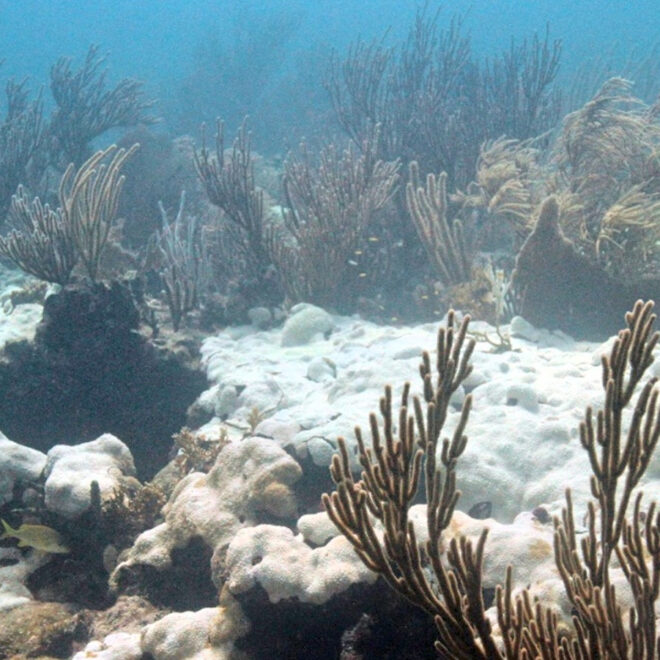
By noaa.gov. NOAA scientists have tracked a steady climb in ocean temperatures since April 2023, which is causing unprecedented heat stress conditions in the Caribbean Basin, including waters surrounding Florida and in the Gulf of Mexico. More isolated marine heat wave conditions have been detected off the Northeast U.S. coast,… SEE MORE