By Peter McDonald, boatingmag.com.
While modern technology has made navigation and boat handling more precise than ever, harbor operators and experienced mariners consistently emphasize the importance of foundational seamanship skills. Electronics can fail, batteries can die, and GPS signals can be lost—especially in challenging conditions when backup knowledge becomes critical for safe harbor entry and coastal navigation.
According to an article by Pete McDonald in Boating Magazine:
Today’s charting software lets you know exactly where you are on the water at all times, as well as your course heading and your deviation. You should still carry paper charts on board as a backup and, at the very least, know how to read the symbols and terminology on both a paper and electronic chart. The easiest way to learn it all is to head to NOAA’s Symbol Legend for US Nautical Charts, known as Chart No. 1.
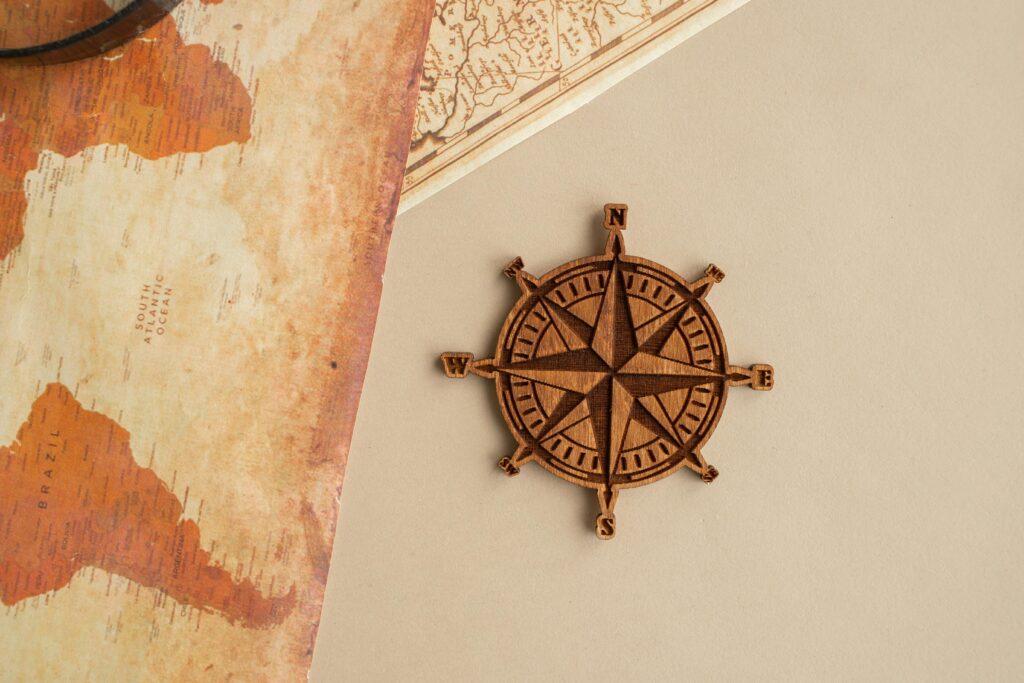
A dash-mounted compass used to be a standard feature aboard most boats. If you don’t have one, get one. You’ll need it to keep the proper heading on a paper chart. Every chart will have a compass rose, with an outer ring indicating true north, and an inner circle showing magnetic north, the direction to the magnetic pole. Your boat’s compass will follow magnetic north, allowing you to set a bearing based on 360 degrees—with 0 being north, 90 being east, 180 being south and 270 being west.
Today’s digital displays accurately show how much fuel you have left in the tank and may even show your total range based on your engine’s rpm as you cruise. It’s still good practice to live by the rule of thirds: use a third of your tank to get where you’re going, keep a third in reserve to get home, and save the last third for variables and emergencies.
These fundamental skills—chart reading, compass navigation, and fuel management—provide essential backup capabilities that can prove invaluable when approaching unfamiliar harbors or navigating in reduced visibility conditions.
Read the full article here: The Importance of Old-School Seamanship Skills
Originally published October 20, 2025.