By John Tiger, boatingmag.com.
Pontoon boats are among the fastest-growing segments in recreational boating — and for good reason. They carry more people, offer more deck space, and double as fishing and watersport platforms. But their unique construction also means they handle very differently from traditional V-hull boats, especially when docking in a marina, maneuvering in wind, or navigating crowded waterways. A new guide from Boating Magazine walks through the key techniques every pontoon owner should practice.
As John Tiger writes for Boating Magazine:
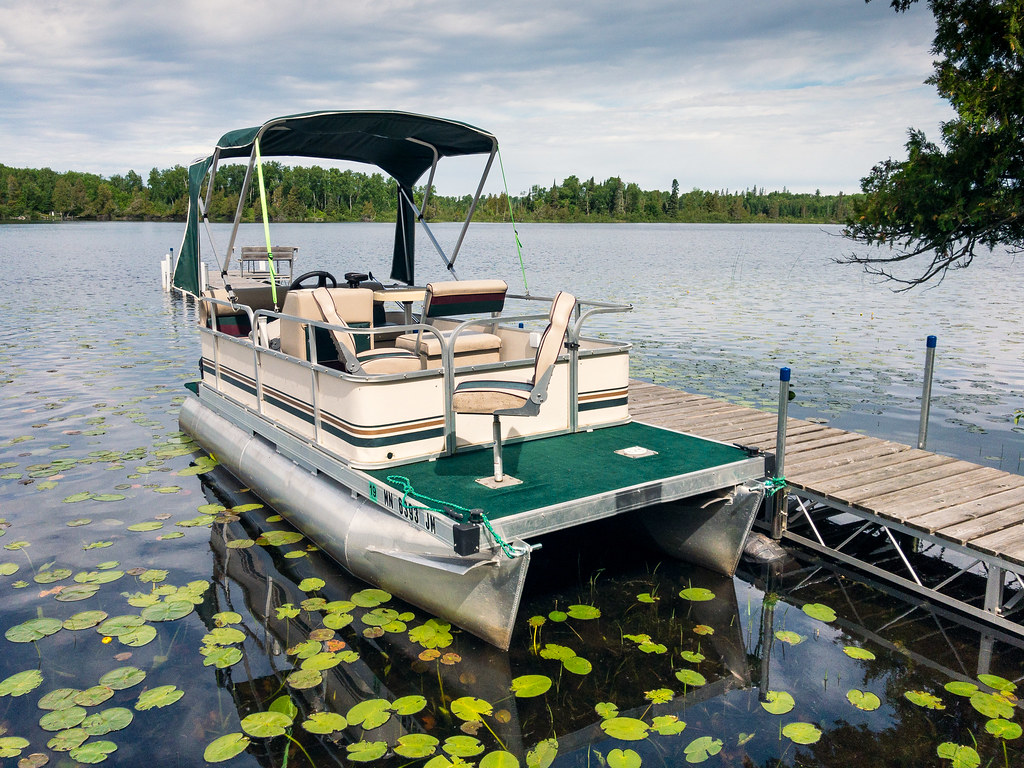
While they are boats, pontoons are markedly different in construction and appearance than traditional single-hulled runabouts and cruisers. They require a different understanding of performance on the water — not to mention how they behave when towing, and how to maintain them.
Compared to typical boats, pontoons are typically larger, with a bigger and more imposing footprint on the water or trailer. They have a unique hull profile (two, and, increasingly, three, tubular aluminum pontoons), and a more rectangular overall shape. Those characteristics also dramatically affect how they are towed, docked, driven, and handled.
Among the key takeaways: a pontoon’s high windage and shallow draft make it especially vulnerable to being blown around, so docking practice on calm, uncrowded days is essential. Tiger recommends standing up or kneeling on the seat for better visibility when approaching a dock, since perimeter enclosures can block your sightline. For open-water cruising, proper engine trim is critical — lifting the bow just enough to clear the water without porpoising. And in rough water or congested areas, dropping speed and lowering trim keeps the ride smooth and gives the captain more time to react.
For harbor-goers heading into their busiest boating season, these are skills worth brushing up on before the weekend crowd arrives.