Fishing by NOAA Fisheries

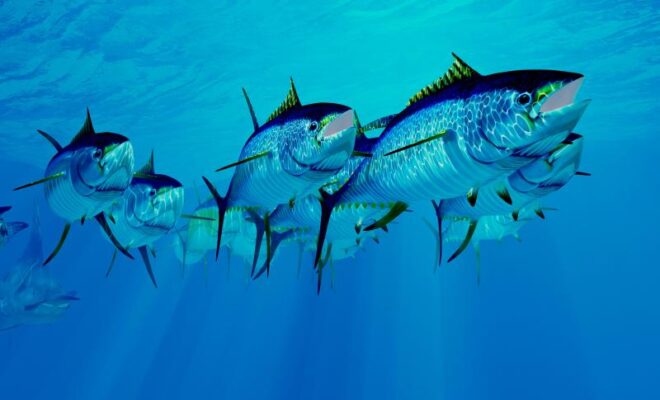
Recreational Fishery Data Reveals Climate-Driven Shifts for Atlantic Highly Migratory Species Catch

4/27/2023 - By fisheries.noaa.gov. A new study identifies shifting distributions of Atlantic Highly Migratory Species catch, including tunas, billfish, and sharks, off the northeastern United States, providing understanding about climate change impacts to the recreational fishery. A new study by NOAA Fisheries has identified shifting distributions of Atlantic Highly Migratory Species catch, including tunas,… SEE MORE
Photo image collage by NOAA

Biden-Harris Administration recommends $562 million investment to make communities resilient to climate impacts as part of Investing in America agenda

4/21/2023 - By noaa.gov. Funding for 149 projects to reach 30 states and territories under NOAA’s Climate-Ready Coasts initiative Today, Vice President Harris announced that the Department of Commerce has recommended $562 million in funding — including investments in nearly 150 projects across 30 coastal and Great Lakes states and territories — to make communities… SEE MORE
Whales by Fisheries.NOAA

Inbreeding Contributes to Decline of Endangered Killer Whales

4/10/2023 - By fisheries.noaa.gov. New genome sequencing shows Southern Residents are highly inbred. The small size and isolation of the endangered population of Southern Resident killer whales in the Pacific Northwest have led to high levels of inbreeding. This inbreeding has contributed to their decline, which has continued as surrounding killer whale populations… SEE MORE
Seals SeaLions Infographic by NOAA

Is It a Seal or a Sea Lion?

4/6/2023 - By fisheries.noaa.gov. Seals and sea lions are both pinnipeds, but there are distinct characteristics to tell them apart. Seals and sea lions, along with walruses, belong to a group of marine mammals called “pinnipeds.” Pinniped means fin or flipper-footed in Latin. These animals spend the majority of their time in… SEE MORE
Maulucioni, CC BY-SA 4.0 , El_Niño_1982-83 via Wikimedia Commons

March 2023 ENSO update: no more La Niña!

3/10/2023 - By climate.gov La Niña—the cool phase of the El Niño-Southern Oscillation (ENSO) climate pattern—has left the building! After a year and half of non-stop La Niña, the tropical Pacific ocean-atmosphere system has transitioned to neutral, allowing NOAA to issue its “Final La Niña Advisory”. What can we expect for ENSO through the summer and… SEE MORE