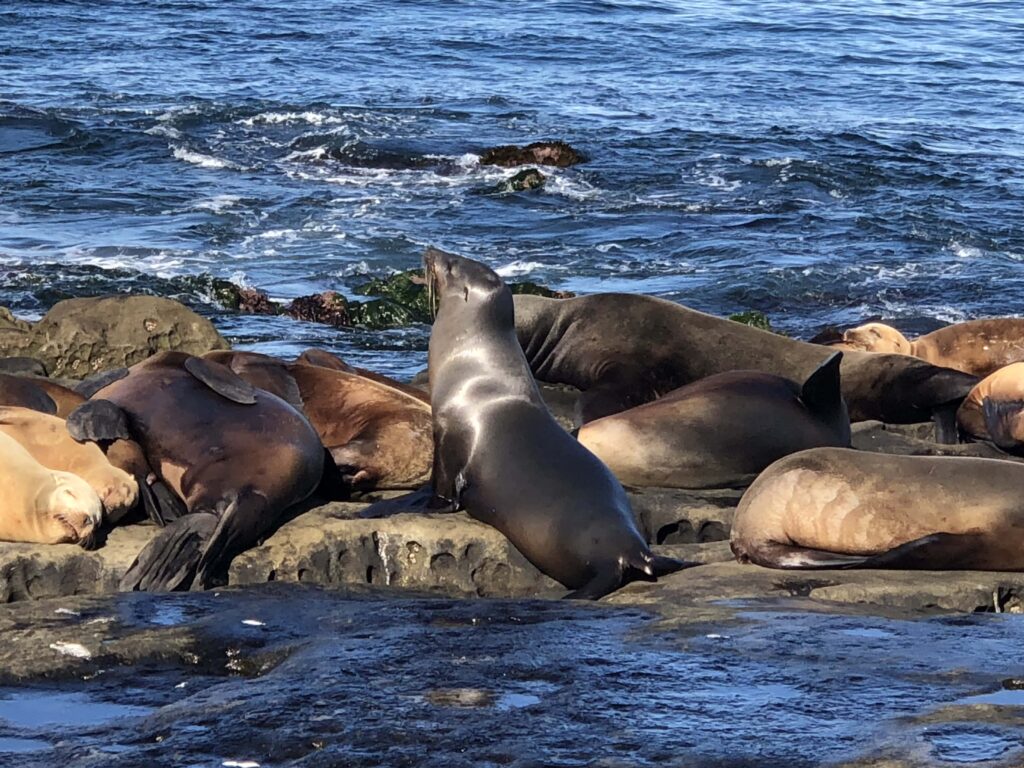
Toxic Algae Bloom Overwhelms California Marine Rescuers as Sea Lions Fall Ill
By Dawn Anderson, Published in best4boats.com.
A severe harmful algal bloom along Southern California’s coast is creating hazardous conditions not only for marine mammals but also for boaters and beachgoers who may encounter disoriented or aggressive sea lions. The crisis highlights growing concerns about ocean health along one of America’s most popular boating destinations, from San Diego to Long Beach and beyond.
According to a recent report from Best4Boats:
Marine life experts at NOAA, SeaWorld, the Pacific Marine Life Center, and the Marine Mammal Center have been inundated with calls to rescue sea lions and dolphins experiencing seizures, aggression, and zombie-like behavior for the past five weeks. Some of the animals have attacked beachgoers, while others fell into a deep sleep before rescuers could arrive.
Researchers have traced the cause to a toxic algae bloom off the Southern California coast. The bloom produces a neurotoxin called domoic acid, which is poisoning local marine life.
Domoic acid is a naturally occurring toxin produced by algae during blooms. It accumulates in shellfish, sardines, and anchovies, causing amnesic shellfish poisoning in humans and domoic acid toxicosis in marine mammals. While shellfish can tolerate high levels of the toxin, animals that eat them often cannot.
Exposed sea lions may suffer seizures, heart attacks, or permanent brain damage. Other symptoms include disorientation, foaming at the mouth, vomiting, bulging eyes, and lethargy.
The situation has become critical enough that SeaWorld San Diego reports receiving approximately 100 daily calls about sick sea lions. Boaters and harbor visitors are advised to maintain distance from marine mammals showing unusual behavior and to report sightings to local marine rescue organizations.
Read the full article here: Toxic Algae Bloom Sickens Sea Lions, Overwhelms Rescuers in California