When History Sets Sail: The $11.2M Journey to Keep Mayflower II Alive
By Arnie Hammerman, Published in best4boats.com.
The extensive restoration of Mayflower II illustrates the complex technical and financial challenges involved in maintaining historic vessels as operational maritime assets. The project’s multi-year timeline and collaborative funding model offer insights for harbor communities seeking to preserve their own historic waterfront vessels.
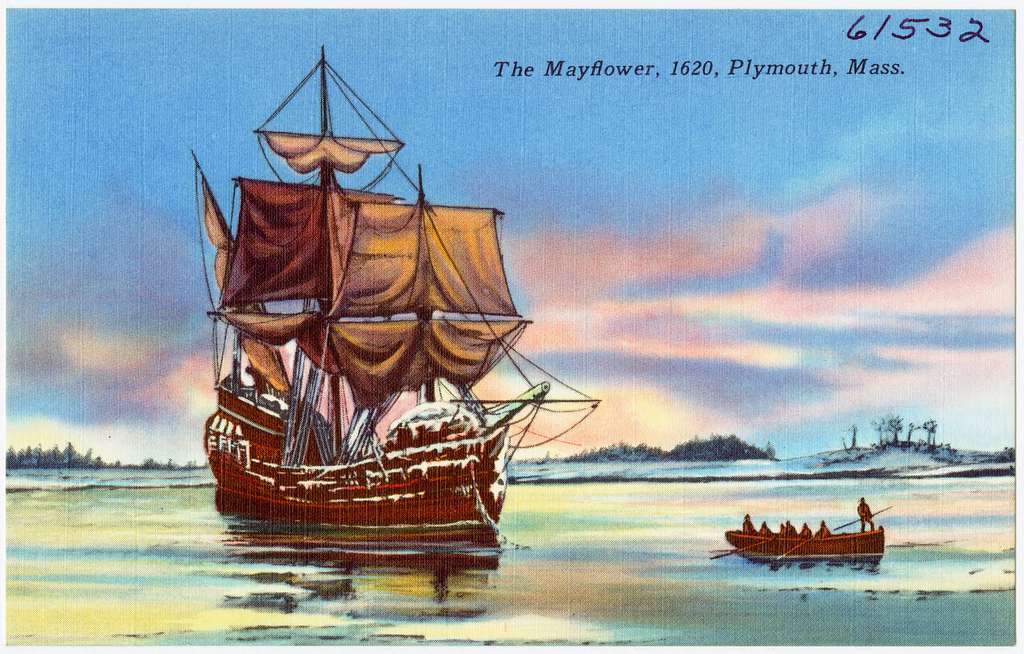
In anticipation of the 400-year anniversary in 2020 of the Mayflower’s arrival in Plymouth the 50-plus year old ship was examined carefully. Despite being well cared for since the 1980s refit, she was in need of some major work. An extensive multi-year, $11.2 million restoration project was conducted on Mayflower II at Mystic Seaport in Connecticut. To extend the ship’s life by at least another 60 years and ensure its stability and safety 70% of the ship’s original hull was replaced. This included hull planking, frames, timbers, and knees, which are angled structural members that support the hull. High quality foreign and domestic oak was used, and the original iron fastenings were replaced with bronze rivets. The ship’s keel was saved, but old ballast was replaced with modern, more compact lead, to improve the ship’s stability.
New sails and rigging were created with traditional looking modern materials to reduce maintenance. Over 100 new wooden blocks were manufactured by hand. All new masts were fabricated including a new main mast made of laminated Douglas fir for greater longevity than a solid timber.
Safety systems like a new fire suppression system, updated electrical wiring, and emergency lighting were added, as were modern navigation and communication systems. Because freshwater inside the hull of wooden boats can cause rot, a unique system was installed to manage rainwater and brine it before it enters the bilges.
The strategic balance between historical authenticity and modern materials demonstrates best practices for extending vessel lifespan while maintaining operational capabilities and safety standards.
Read the full article here: Sailing Through Time: Mayflower & Mayflower II