Palau’s Rock Islands Harbor Heat-resistant Corals
By Woods Hole Oceanographic Institution, whoi.edu.
Heat-Resistant Corals Discovered in Palau’s Rock Islands
As marine heatwaves increasingly threaten coral reefs worldwide, new research from Palau offers promising insights for harbor and coastal communities that depend on healthy reef ecosystems for shoreline protection, fisheries, and maritime navigation safety. The discovery of heat-tolerant coral lineages that can naturally repopulate neighboring reefs may provide crucial knowledge for protecting the marine infrastructure that harbors and coastal operations rely upon.
According to a Woods Hole Oceanographic Institution press release:
Ocean warming is driving an increase in the frequency and severity of marine heatwaves, causing untold damage to coral reefs. Tropical corals, which live in symbiosis with tiny single celled algae, are sensitive to high temperatures, and exhibit a stress response called bleaching when the ocean gets too hot. In the last 4 decades, marine heatwaves have caused widespread bleaching, and killed millions of corals. Because of this, a global search is underway for reefs that can withstand the heat stress, survive future warming, and act as sources of heat-tolerant coral larvae to replenish affected areas both naturally and through restoration.
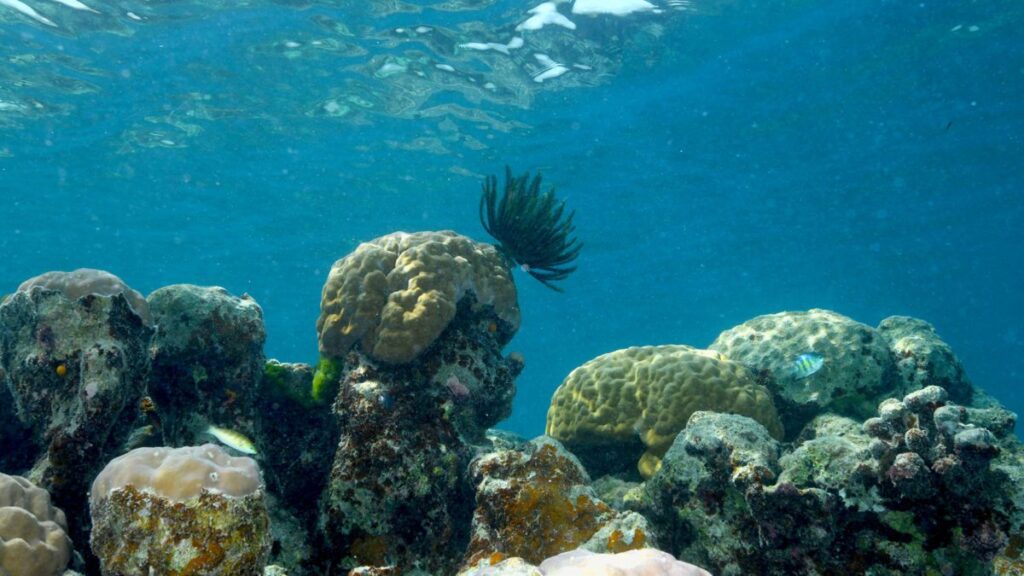
Scientists sampled the keystone coral species Porites lobata (lobe coral) across Palau, including the Rock Islands. They took skeletal biopsies and examined the cores for stress bands, which are telltale signs of bleaching, a stress response corals have to high temperatures. They found corals from the Rock Islands bleached less during the intense 1998 heatwave than corals from other areas of the reef, indicating enhanced thermal tolerance.
Scientists then investigated the genetics of the corals and discovered four distinct lineages within the same species. Within the warmer Rock Islands, certain lineages, designated as “LB” and “RD” lineages, were much more common.
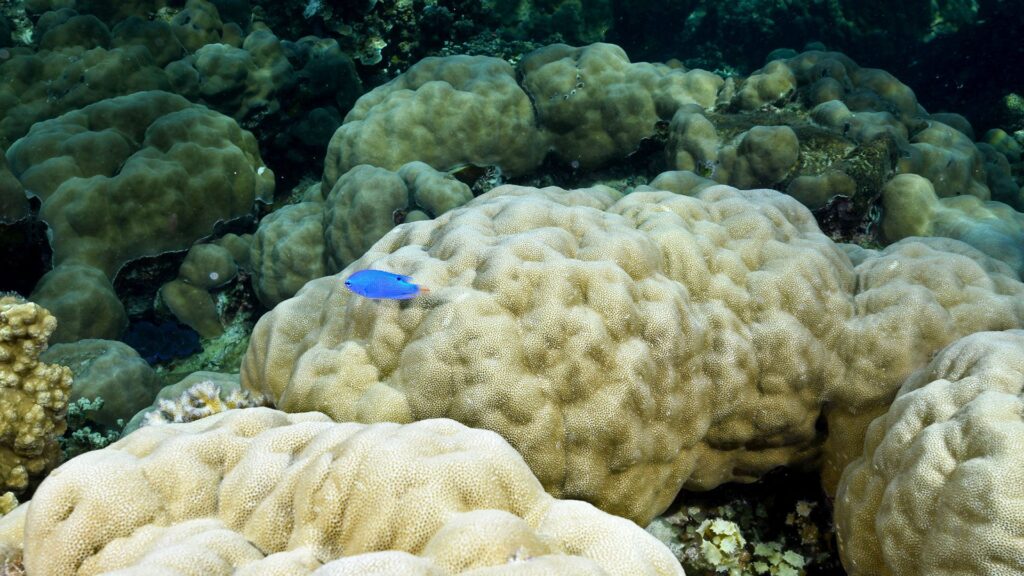
The discovery of heat-resistant coral populations in Palau’s Rock Islands underscores the importance of protecting coral breeding grounds for reef recovery. See a recent US Harbors article published in July 2025, NOAA Fisheries designated 92 square miles of critical habitat for five threatened coral species across U.S. Pacific Island waters. Through the Endangered Species Act, federal agencies must now ensure their actions don’t destroy these areas—creating a framework that protects the natural breeding grounds researchers identified as fundamental to coral reef persistence under climate change.
Read the full article here: Palau’s Rock Islands Harbor Heat-resistant Corals
Originally published December 21, 2022, Woods Hole Oceanographic Institution, Woods Hole, Massachusetts.