5 Ways Aquaculture is Boosting Coastal Economies

By seagrant.noaa.gov, seagrant.noaa.gov.


1. Supporting disaster recovery for Louisiana’s crawfish industry

In 2023, record-setting drought and extreme heat devastated Louisiana’s crawfish industry, a critical aquaculture sector that supports thousands of jobs and significantly contributes to the state’s economy. Louisiana Sea Grant worked with the U.S. Department of Agriculture to document the harm to crawfish from the excessively dry and hot conditions. The resulting scientific report was instrumental in securing more than $100 million in disaster relief for the state’s crawfish farmers. In addition to providing economic relief to growers, the disaster funds prevented long-term declines in production and preserved the economic vitality of an industry that holds great cultural and economic value in Louisiana.

2. Training the next generation with New Jersey shellfish farmers

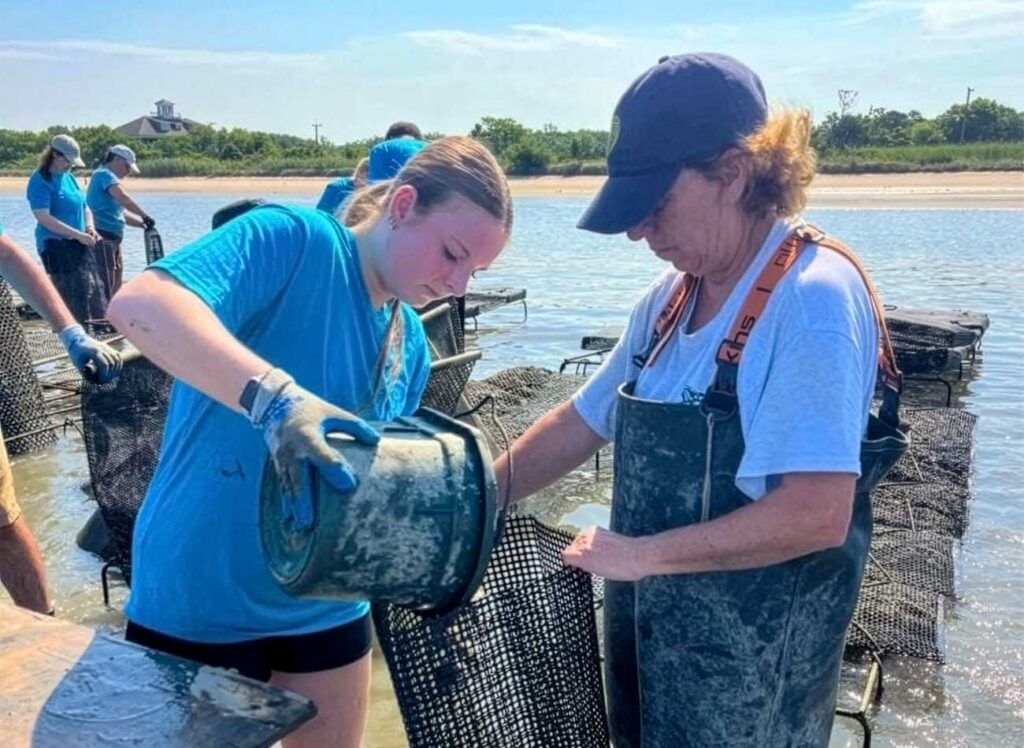
Shellfish farming is a rapidly expanding part of New Jersey’s coastal economy, creating a growing need for skilled workers. New Jersey Sea Grant Consortium and Rutgers University partners developed a program for high school students to spark interest in aquaculture careers. The Apprenticeship in Shellfish Aquaculture Program offers training in aquaculture literacy and hands-on, immersive learning experiences. These include a week-long “bootcamp” at aquaculture facilities and an eight-week paid summer work experience mentored by industry experts. The program has expanded each year since 2021, engaging more than 1,500 youth in aquaculture literacy. Of the 14 students who completed apprenticeships in 2025, all were offered farm work post-apprenticeship, nine were hired part-time by their mentors, and four plan to return to their partner farms for the 2026 season.

3. Navigating food safety rules for the U.S. seaweed industry

While seaweed farming is the fastest-growing segment of U.S. aquaculture, complex food safety regulations make it challenging for edible seaweed products to reach the market. The National Sea Grant Law Center collaborated with Sea Grant partners to create accessible tools that explain federal food safety rules for edible seaweed. The resources translate complex legal frameworks into user-friendly formats for non-legal audiences. Sea Grant extension professionals and seaweed producers are now using these materials to improve food safety practices and enable the seaweed industry to expand domestic markets.

4. Using aquaculture to restore an endangered species in California

White abalone, an important sea snail species that was once abundant along California’s coast, is critically endangered. Historically, abalone commercial and recreational fisheries were valuable to California’s coastal economy. A team of scientists from California Sea GrantNOAA’s National Marine Fisheries ServiceBodega Marine Laboratory, and Moss Landing Marine Laboratories improved specialized aquaculture methods and capacity for breeding white abalone in captivity. This work, in collaboration with other partners, has so far facilitated the release of over 14,000 captive-bred white abalone into their natural habitat at a restoration site in Southern California. The improved breeding methods will help produce more young abalone for future releases to rebuild self-sustaining populations in the wild and increase the resilience of this iconic species.

5. Creating more healthy fish consumers in the Great Lakes region

Across the Great Lakes region, Sea Grant programs are connecting fish producers with consumers to encourage more people to eat healthy, sustainable farmed fish. Initiatives like Eat Midwest Fish, Eat Wisconsin Fish, and the Great Lakes Fresh Fish Finder provide consumers with practical information on adding fish to their diets and help producers better market their products. Illinois-Indiana Sea Grant’s Eat Midwest Fish educates consumers, in part, through videos featuring cleaning, preparation, and cooking demonstrations, which were viewed over 230,000 times in 2024. Wisconsin Sea Grant’s Eat Wisconsin Fish initiative helped four yellow perch farms expand markets for their fish in 2025, generating an estimated $100,000 in revenue, and opened dialogues about aquaculture with 5,500 people at multiple cooking demonstrations. The Great Lakes Fresh Fish Finder, a regional collaboration of Sea Grant programs under the Minnesota Sea Grant-led Great Lakes Aquaculture Collaborative, serves as a public-facing online map that connects consumers directly to fish farms and seafood retailers in eight states. In 2024, the website featured 129 fish farms and retailers and received over 37,000 page views.

Read The Full Article Here: 5 Ways Aquaculture is Boosting Coastal Economies


Originally published on Mar 10, 2026.