By John Tiger, boatingmag.com.
With summer boating season in full swing, one of the most basic — and most overlooked — seamanship questions deserves a revisit: how fast should you actually be going? A new safety column from Boating Magazine breaks down the variables that determine safe speed, from experience level and boat type to rough water, crowded waterways, and situational awareness. For boaters navigating busy harbors and popular cruising grounds, the advice is timely and practical.
As John Tiger writes for Boating Magazine:
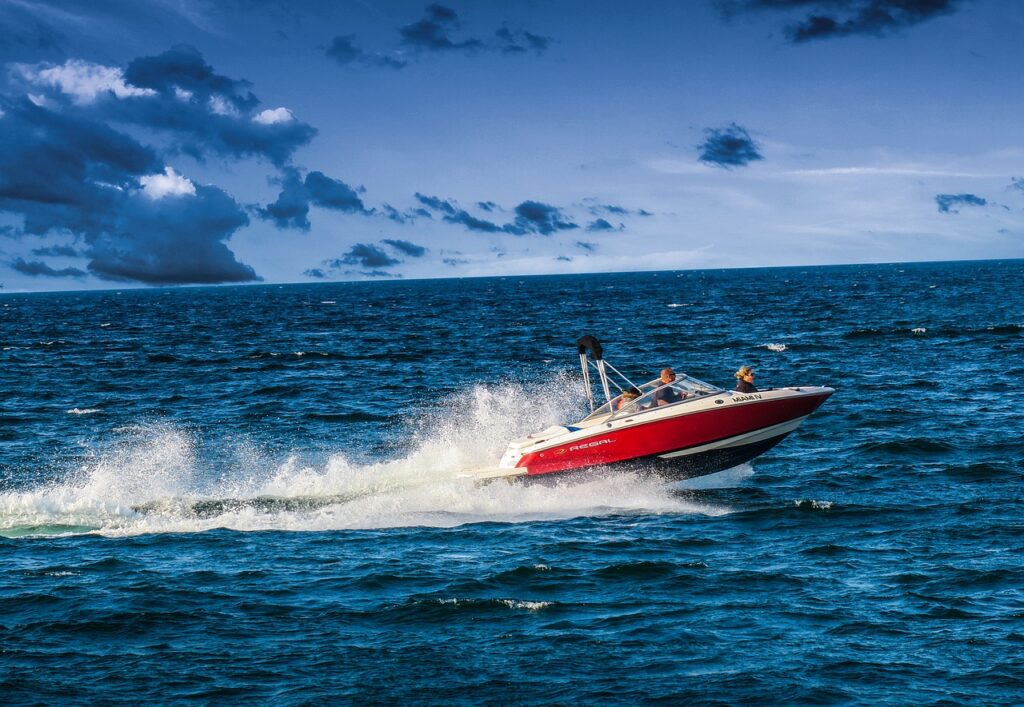
Whether you have a 20-mph pontoon or a 100-mph twin outboard catamaran, whether you’re a novice boater or a seasoned salt, and whether this is your first boat or your thirtieth, how fast can you drive it safely? That’s a loaded question, as it must factor-in so many variables.
As a general statement, we’ll start with overdriving your capabilities and comfort level. That’s simple enough, and easy to recognize and then react. Too many don’t — it may be ego, lack of experience, or sheer bravado. But if you’re driving at the upper edge of your capability and you’re starting to feel skittish, it’s best to admit it to yourself; you’re driving too fast and it’s time to trim down and pull the throttle back.
Tiger emphasizes that boaters stepping up to a faster or unfamiliar vessel should build confidence gradually — practicing in calm, uncrowded conditions before pushing speed or venturing into chop. In rough water, the formula is straightforward: reduce speed, lower trim, keep the bow slightly up, and stay on plane for the smoothest ride. In congested waterways, the stakes rise further — there are no lanes, no brake lights, and no guarantee that surrounding boaters have completed a safety course. The overarching theme is situational awareness: reading conditions, anticipating the actions of others, and being prepared to react decisively.
As harbors and launches fill up this season, it’s a message worth keeping at the helm.