Search for More Stories:
Sailing in Alaska? Watch Out for Tsunamis
By Christian Elliott. Tour boat operators and cruise ship captains face a growing hazard: tsunamis generated by collapsing cliffs. If disaster strikes, what should they do? In 2015, 76 million cubic meters of rock crashed from the rugged cliffs above a southeastern Alaska fjord and into the water below. The landslide… SEE MORE
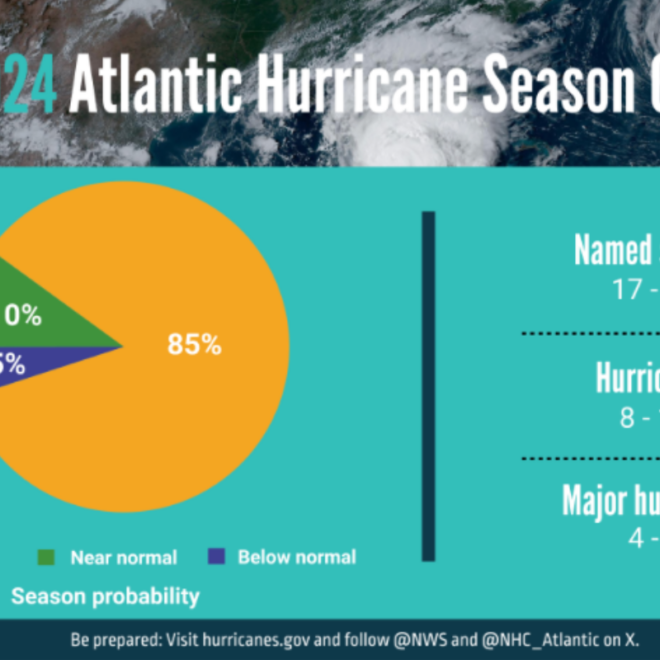
NOAA Predicts Above-Normal 2024 Atlantic Hurricane Season
By NOAA. La Nina and warmer-than-average ocean temperatures are major drivers of tropical activity. NOAA National Weather Service forecasters at the Climate Prediction Center predict above-normal hurricane activity in the Atlantic basin this year. NOAA’s outlook for the 2024 Atlantic hurricane season, which spans from June 1 to November 30,… SEE MORE
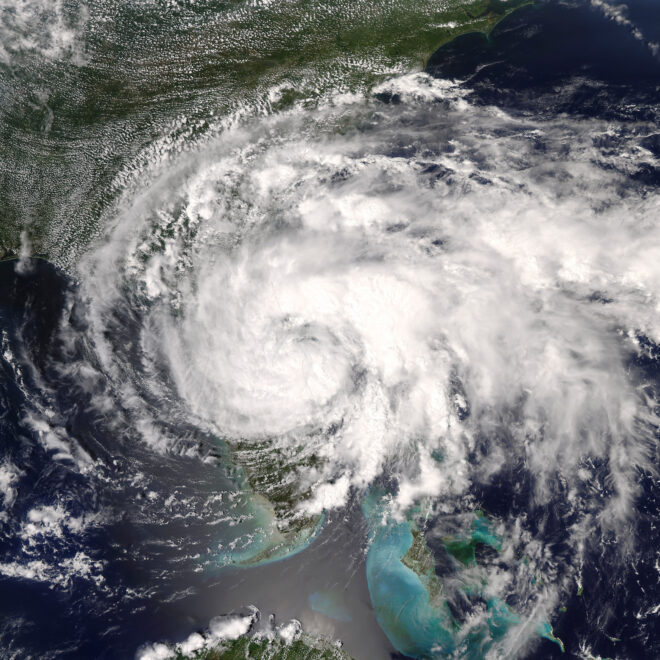
Gulf of Mexico is August-Level Hot as Hurricane Season Nears
By gcaptian.com. Water temperatures across the Gulf of Mexico have reached or exceeded levels usually found in August when the region is at its warmest, according to the National Centers for Environmental Information. A water temperature reading off of Butternut Key, Florida, has reached 88F (31C), or what is typically found in… SEE MORE
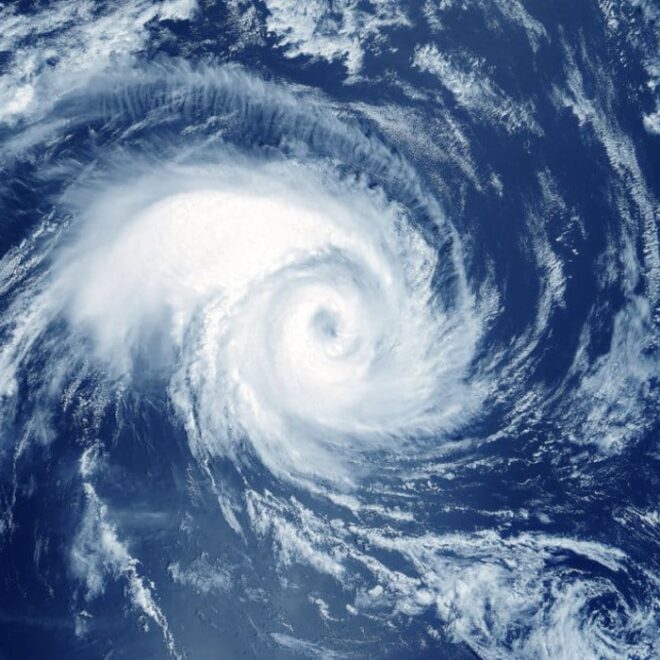
NOAA Predicts a Below-Normal 2024 Central Pacific Hurricane Season
By ecomagazine.com. The 2024 central Pacific hurricane season outlook from forecasters at NOAA’s Central Pacific Hurricane Center and NOAA’s Climate Prediction Center, calls for 1–4 tropical cyclones across the central Pacific Hurricane region. A near-normal season has 4 or 5 tropical cyclones, which include tropical depressions, tropical storms, and hurricanes.… SEE MORE
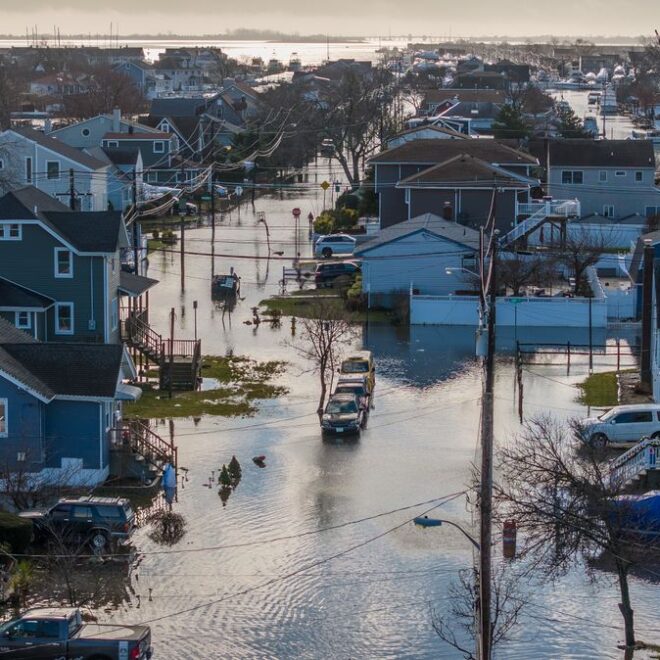
The Complex Dynamics of Coastal Flooding Along the US Atlantic Coast
By ecomagazine.com. Research led by Deltares, USGS, and USACE investigates the interplay between tropical and extratropical cyclones in driving coastal flooding along the subtropical Southeast Atlantic Coast of the United States. The research presents a comprehensive flood hazard and impact assessment spanning from Virginia to Florida, offering critical insights into… SEE MORE
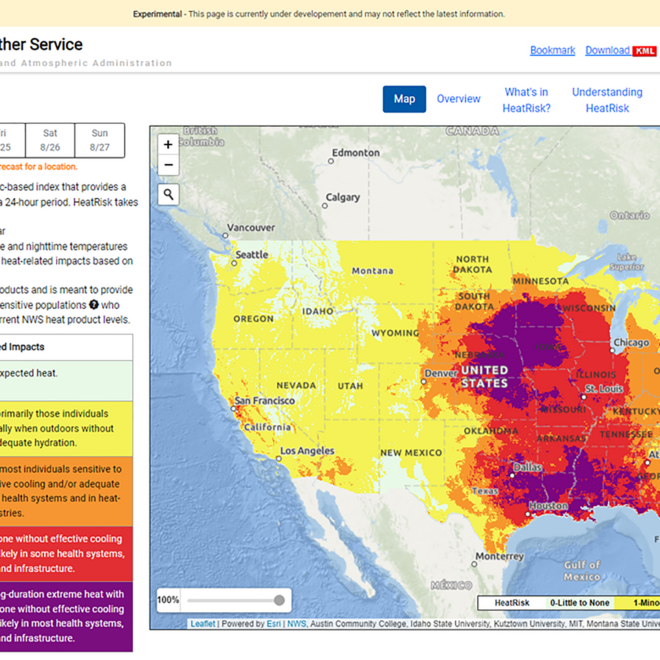
NOAA Announces National Heat Forecast Tool: HeatRisk
By NOAA. NOAA is expanding the availability of a new experimental heat tool called HeatRisk ahead of the hot summer months. A collaboration with NOAA’s National Weather Service (NWS) and the Centers for Disease Control and Prevention (CDC), HeatRisk provides information and guidance for those who are particularly vulnerable to… SEE MORE
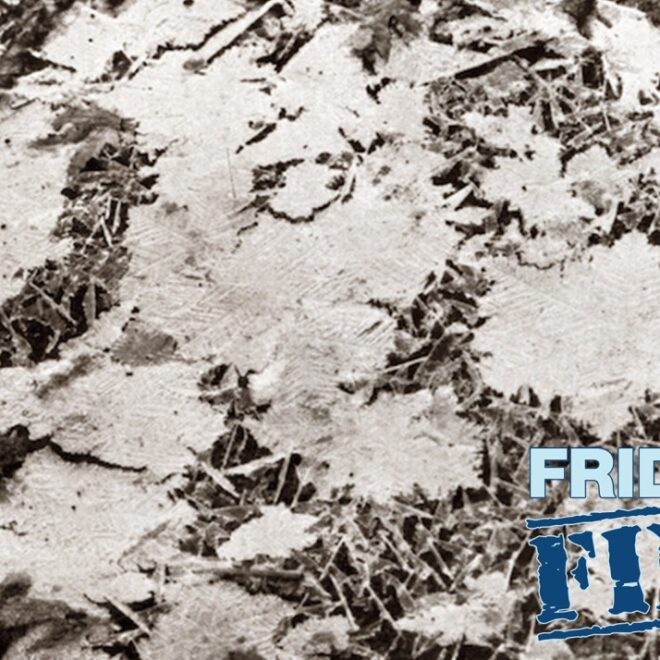
Friday Find: Supersized Ice Crystals
By noaa.gov. On the morning of February 28, 1936, “ice crystals of unusual size” were found in Boise, Idaho. According to the March 1936 edition of the Weather Bureau’s Monthly Weather Review, the group was 22 inches across, or almost twice as wide as two standard dinner plates, and included… SEE MORE
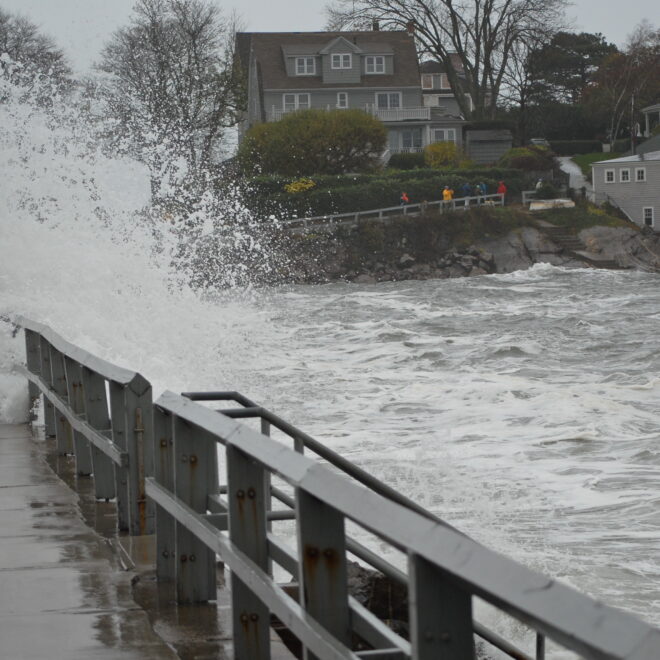
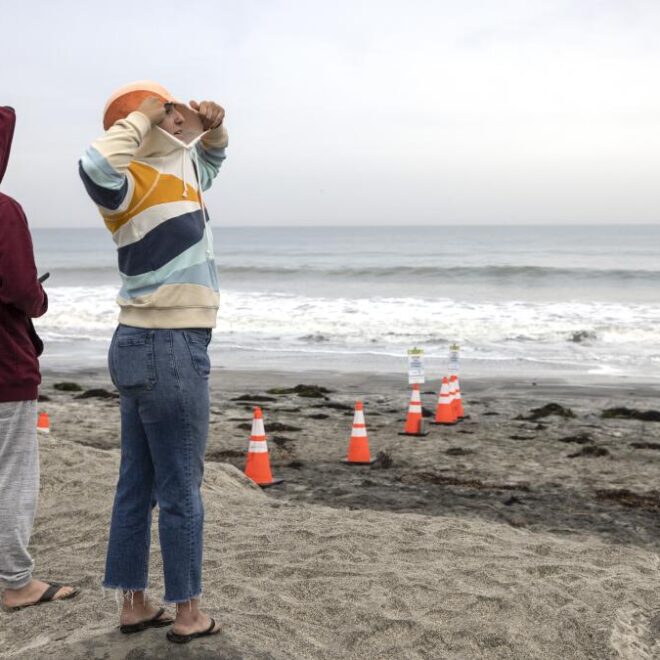
Maine’s Fishing Infrastructure Hammered by Winter Storm
By Paul Molyneaux DMR commissioner Pat Keliher announced this morning, January 11, that the department would be conducting aerial surveys of the coast to document the damage. In addition, he encouraged all coastal residents and fishermen to report damage. “It is imperative that individuals with damaged property from yesterday's storm,… SEE MORE
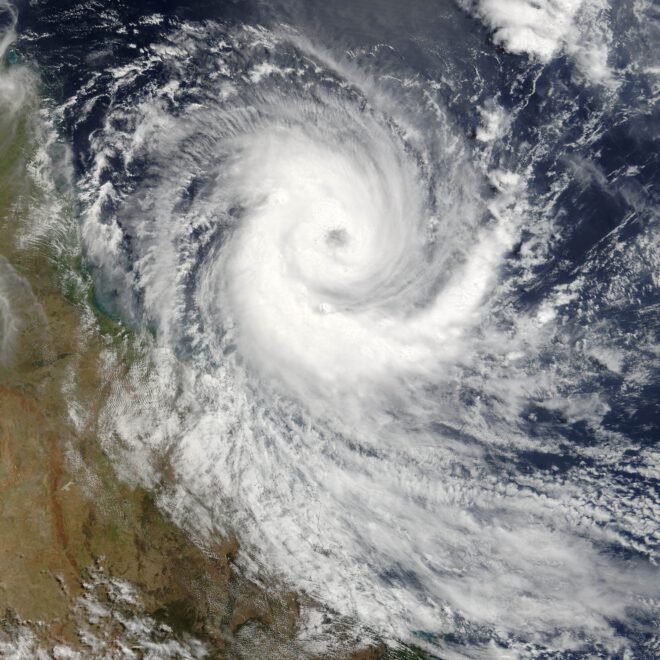
Modern Hurricanes Have a Surprise Ingredient
By Matt Simon As Hurricane Larry curved north in the Atlantic in 2021, sparing the eastern seaboard of the United States, a special instrument was waiting for it on the island of Newfoundland, in Canada. Because hurricanes feed on warm ocean water, scientists wondered whether such a storm could pick… SEE MORE
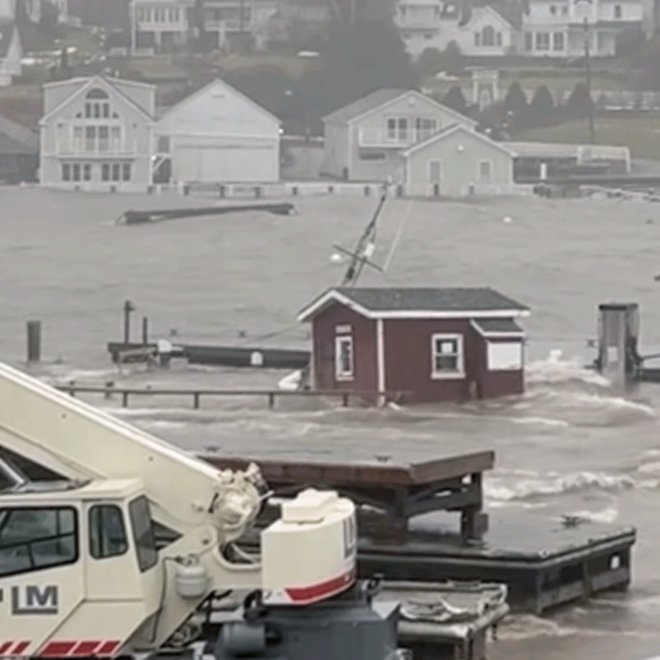
Preparing for Coastal Flood Events
By Ready.Gov. How to Prepare for Coastal Flood Events Make a plan for your household, including your pets, so that you and your family know what to do, where to go, and what you will need to protect yourselves from flooding. Learn and practice evacuation routes, shelter plans, and flash flood… SEE MORE
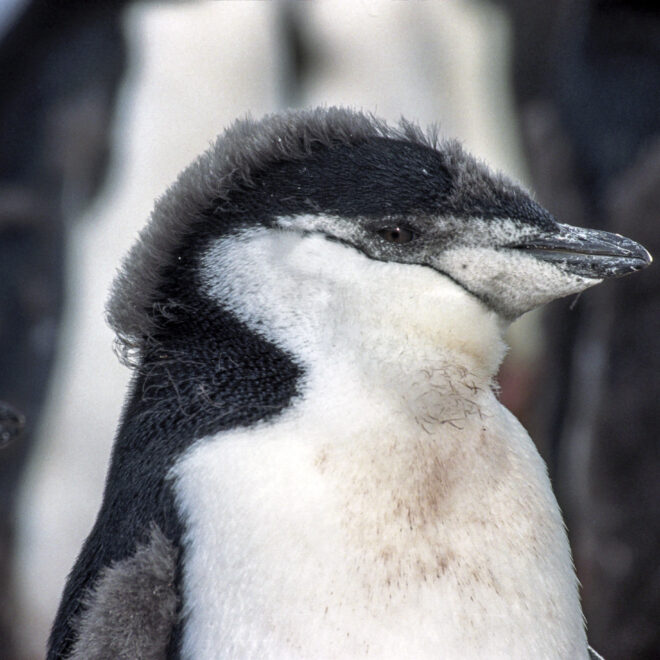
This Antarctic Penguin Sleeps 11 hours a Day—a Few Seconds at a Time
By science.org. For sleepy humans, nodding off can be inconvenient—say, during a boring lecture—or even downright dangerous, such as while driving a car. But for Antarctica’s nesting chinstrap penguins (Pygoscelis antarcticus), these secondslong bits of shuteye known as “microsleeps” may help them survive. These mininaps net the birds about 11 hours… SEE MORE
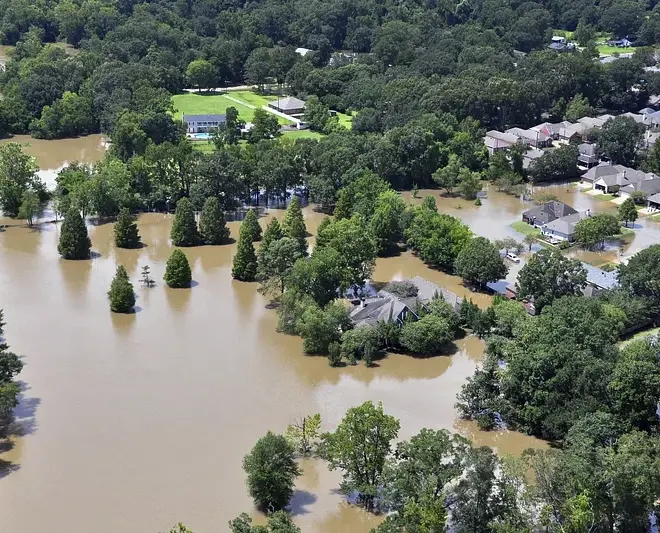
How ‘Nuisance’ Flooding is Hurting Coastal Economies
By yaleclimateconnections.org. In many coastal towns, water spills onto streets and sidewalks during high tide – even on sunny days. This flooding is often called “nuisance” flooding, but it’s more serious than that name implies. “While it feels like a small inconvenience at the time, those impacts add up to… SEE MORE