Search for More Stories:
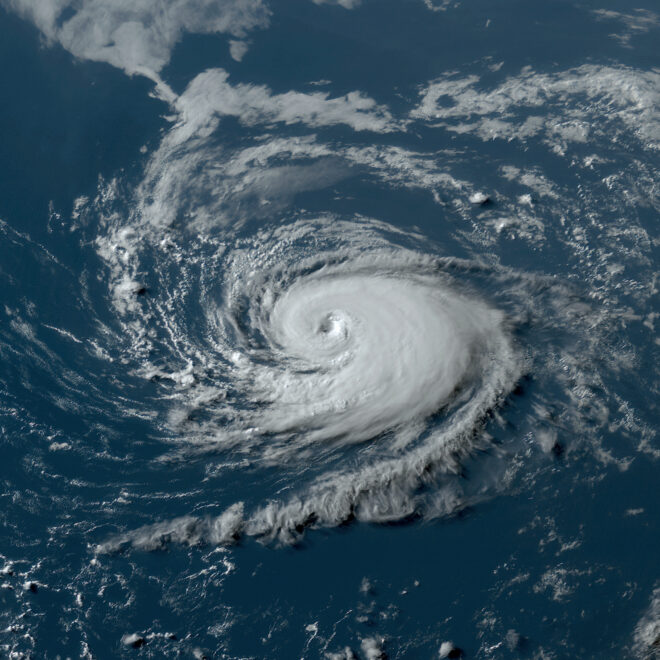
Hurricane Lee Turns North Past Bermuda as it Aims for New England and Atlantic Canada
By AP News. Hurricane Lee began to spin away from the northern Caribbean on Wednesday as the Category 2 storm left big waves in its wake and aimed for New England and Atlantic Canada. The storm was located about 420 miles (675 kilometers) south-southwest of Bermuda. It had winds of… SEE MORE
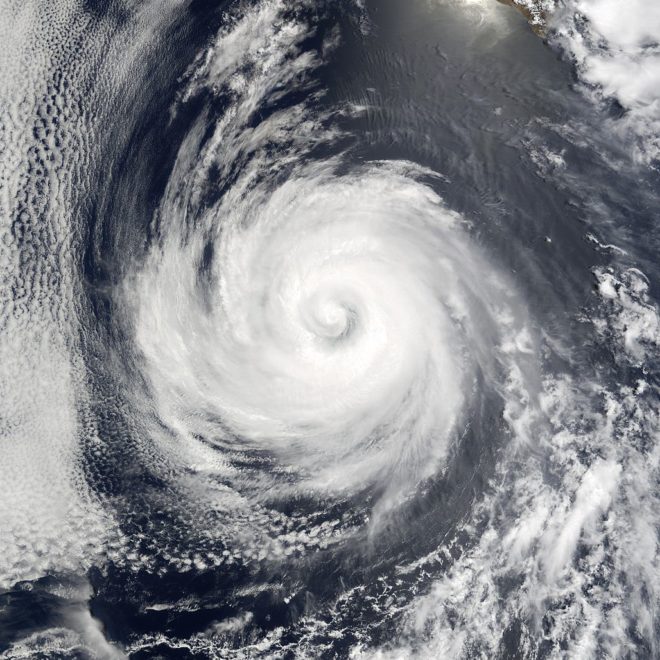
Life-Threatening Currents All Along the East Coast
By National Fisherman. Tropical storm conditions in Bermuda on Wednesday, August 30, while Hurricane Franklin made its closest approach to the island. Life-threatening rip currents are still occurring along the East Coast of the US. As these conditions are expected to continue during the next couple of days, both Hurricane… SEE MORE
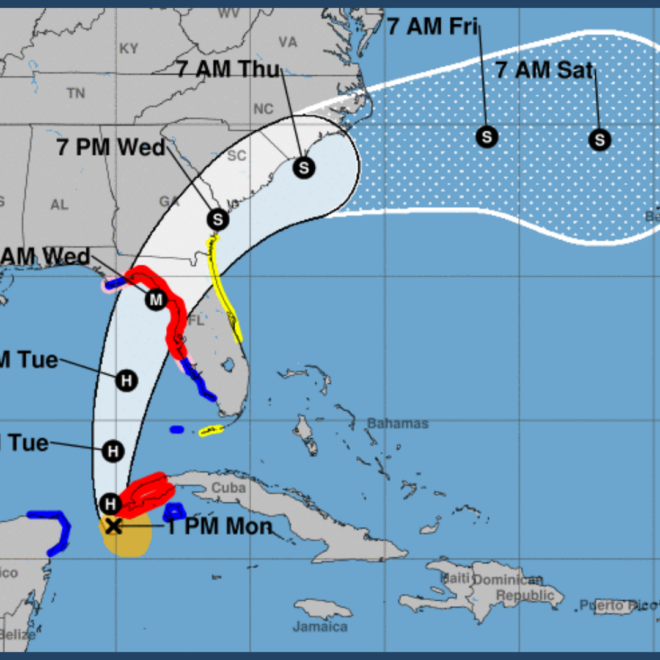
Hurricane Idalia On Collision Course with Florida Gulf Coast
By WeatherTiger. Threat synopsis: A major hurricane landfall in North Florida is more likely than not on on Wednesday. Preparations for destructive surge and wind should be completed by Tuesday evening. Why is it always Wednesday? There’s no answer beyond coincidence for why Florida’s four most recent hurricanes— Michael, Sally,… SEE MORE
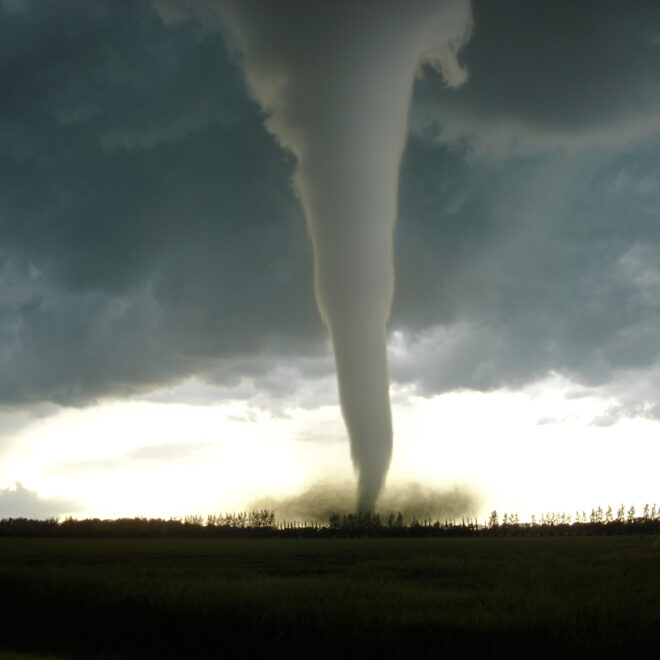
Rare New England tornado lifts car from a Highway as Strong Storms Damage Homes and Flood Roads
By apnews.com. A rare Rhode Island tornado lifted a car off a highway Friday as severe weather swept already storm-weary New England, damaging homes, flooding roads and toppling trees. Tornadoes were reported in several spots in Rhode Island and southern Massachusetts. The National Weather Service said there were at least… SEE MORE
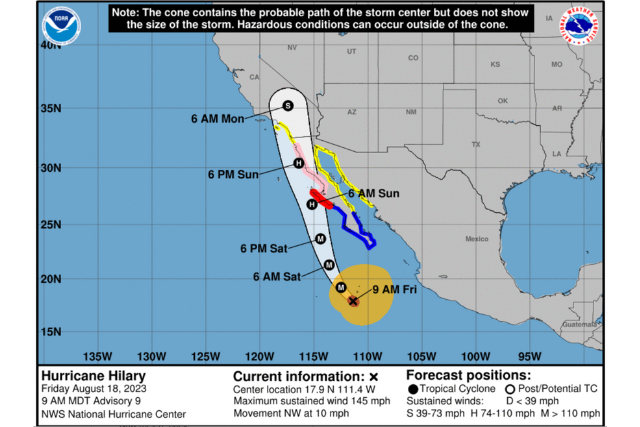
Hilary Could Be the First Tropical Storm to Hit California in More than 80 Years
By Dustin Jones for NPR. Hurricane Hilary, a powerful Category 4 storm brewing off the coast Mexico's Baja California peninsula, is making its way towards the Pacific coast. It's projected to hit southwestern California as a tropical storm — the first since 1939 — by Monday, bringing dangerously high winds… SEE MORE
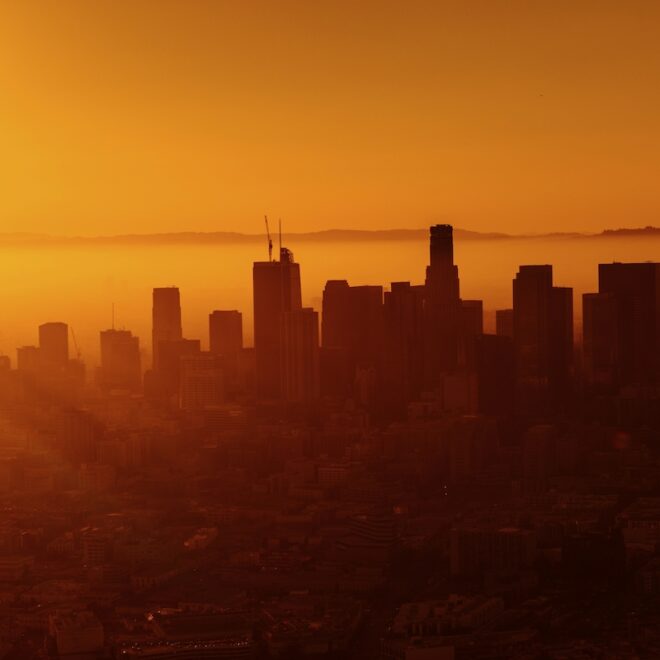
As Seas get Hotter, South Florida gets Slammed by an Ocean Heat Wave
By npr.org. An ocean heat wave in waters around Florida has scientists worried about cascading disasters, from fueling hurricanes and coral bleaching to exacerbating record heat on land. Ocean temperatures have soared five degrees above normal since early July. This warming has been ignited by an El Nino weather pattern that's… SEE MORE
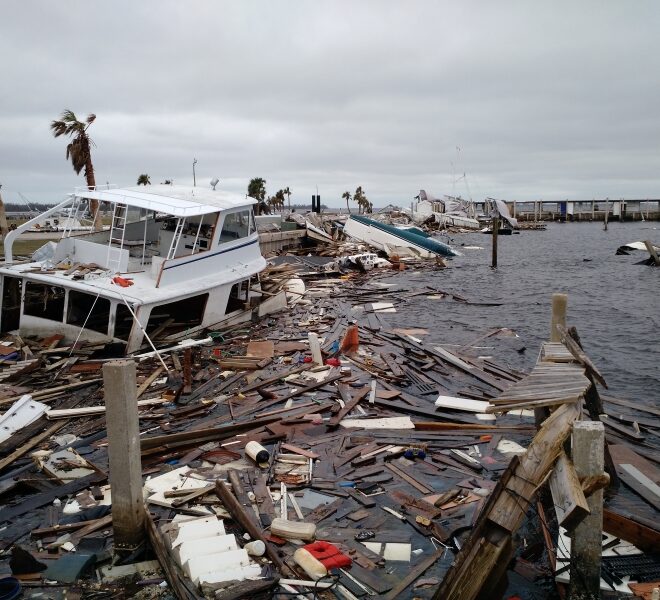
Taking the Lead to Prevent Hurricane Debris
By blog.marinedebris.noaa.gov. As we approach the 2023 hurricane season, we are sharing NOAA Marine Debris Program resources to help you prepare for storms and prevent storm-generated debris from accumulating in waterways and on shorelines. Hurricanes and typhoons are among nature's most powerful and destructive events, and when these natural disasters… SEE MORE
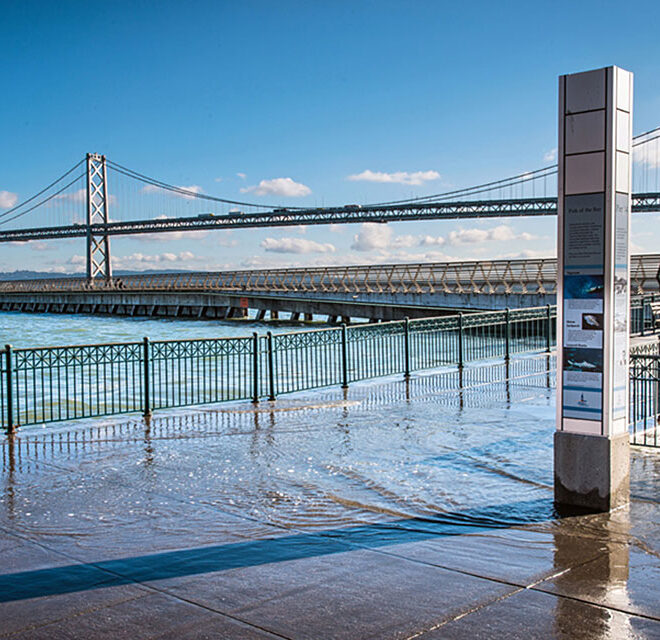
How is Sea Level Rise Related to Climate Change?
By oceanservice.noaa.gov. A warming climate can cause seawater to expand and ice over land to melt, both of which can cause a rise in sea level. Many people are interested in climate change and how a changing climate will affect the ocean. With the majority of Americans living in coastal… SEE MORE
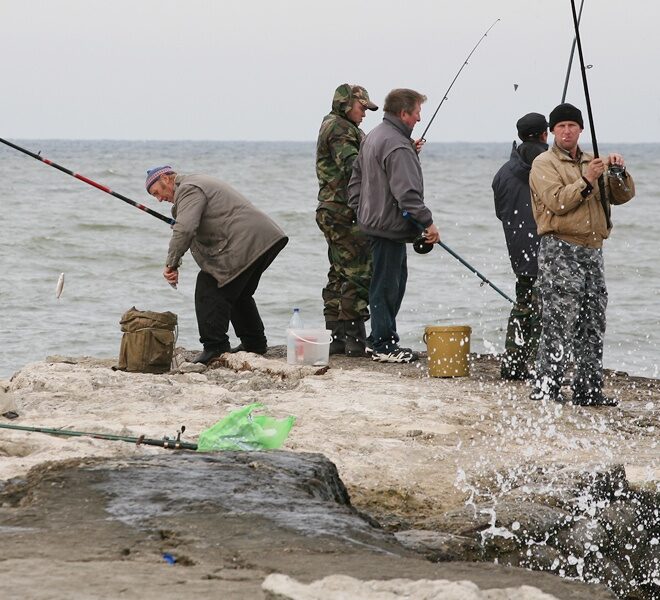
When Is It Too Rough To Go Fishing?
By sportfishingmag.com. You wake up early, pack your gear and head to the marina, no doubt energized by visions of bent rods and big fish. Then, someone pulls the plug. Could be the captain, could be the charter client — either way, the last-minute indecision and cancellation is a bummer.… SEE MORE
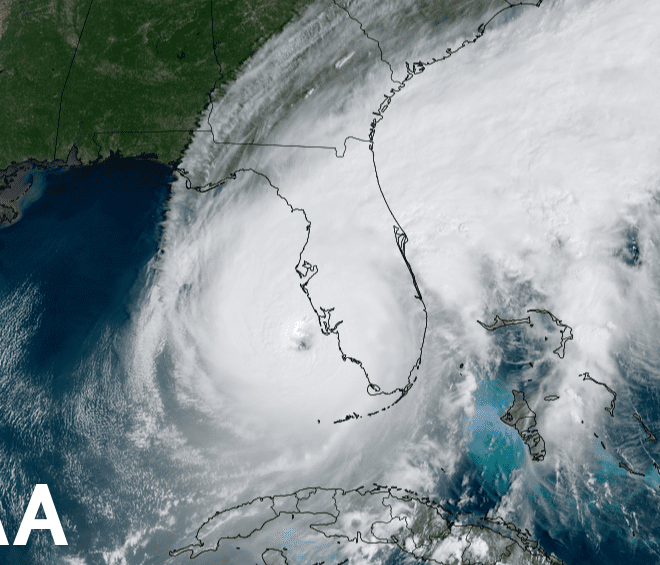
June Storms Raise Alarm for Atlantic Hurricane Season
By Joseph Ax and Steve Gorman. Tropical Storm Bret is nearing the Caribbean, while a second system looks to be gathering strength behind it, providing an unusual amount of unsettling activity in the early weeks of the Atlantic hurricane season. Bret formed Monday east of the Caribbean’s Leeward and Windward Islands, the furthest… SEE MORE
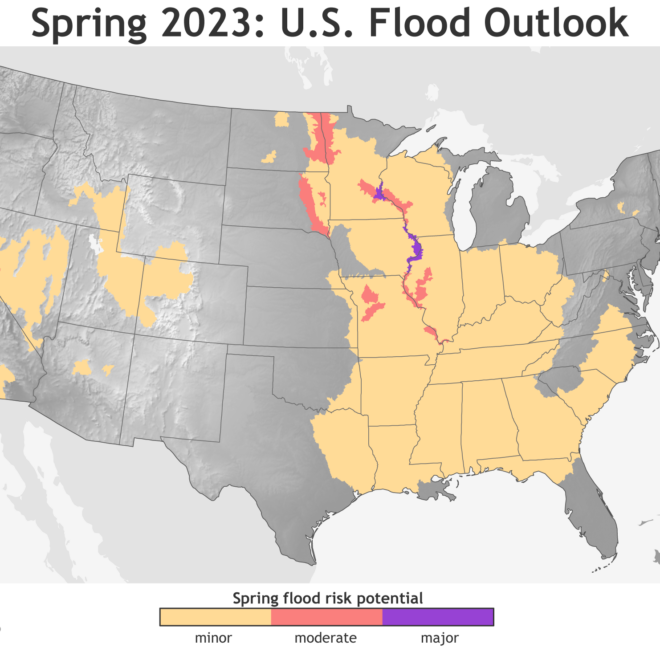
Spring Outlook: California Drought cut by Half with More Relief to Come
By NOAA.gov. Significant flooding is ongoing in the western U.S., especially in California, following another series of strong Pacific storms that battered the region and piled on to an already historic snowpack. According to NOAA’s U.S. Spring Outlook, the abnormally wet winter will further improve drought across much of the… SEE MORE
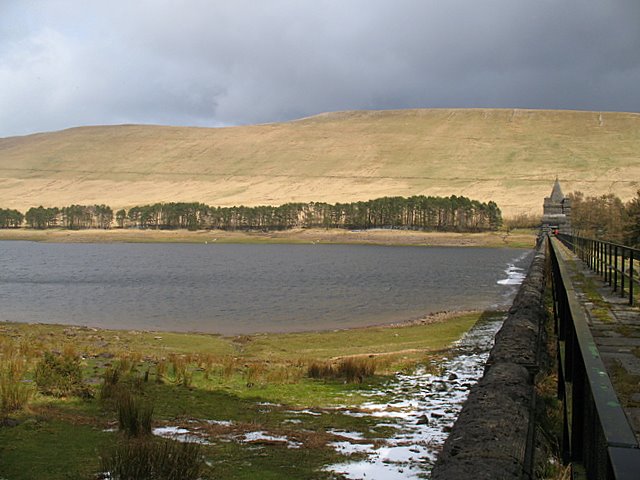
December 2022 water levels break eight historical records
By noaa.gov From Alaska to Washington, several of NOAA’s water level stations observed their highest recorded water levels. December was an active month for NOAA’s National Water Level Observation Network (NWLON). A staggering eight stations observed all-time high water levels — some of which broke records in place for 40 years.… SEE MORE