Search for More Stories:
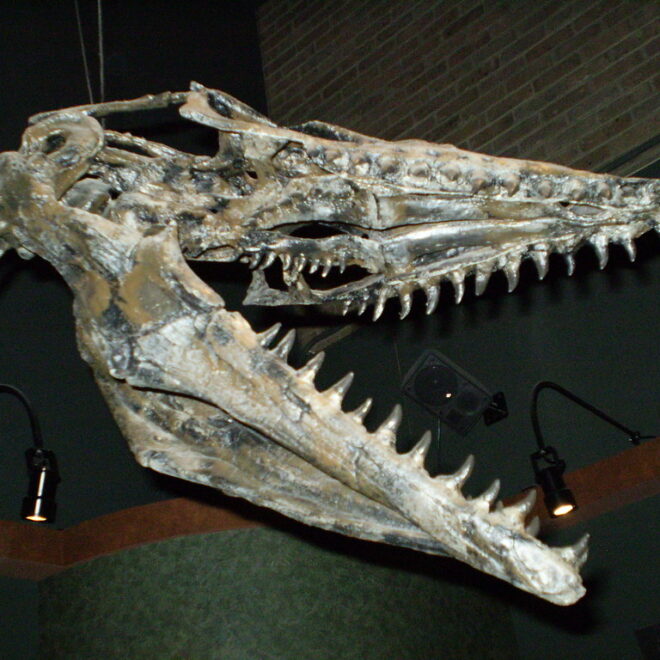
A Sea Monster from the Deep
By Lidia Goldberg. The well-preserved skull of a gigantic Pliosaur, a prehistoric sea creature, was discovered on the beach in Dorset county, southern England. 150 million years ago, Pliosaur’s dominated ocean habitats while dinosaurs dominated land. It is not the first time a pliosaur fossil has been discovered, although this… SEE MORE
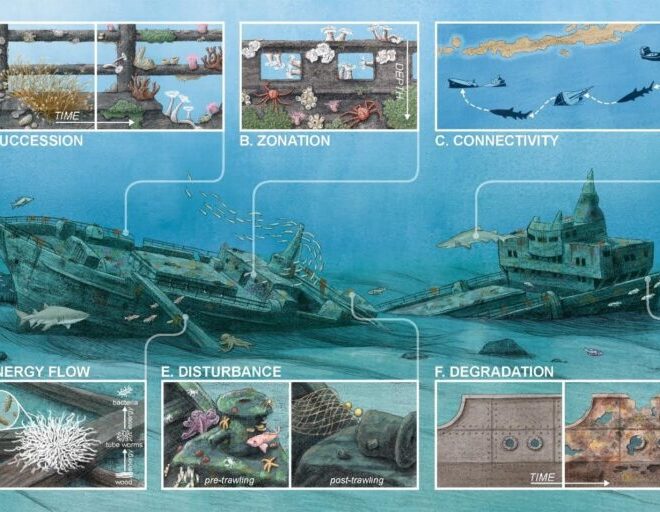
Scientists Study Shipwrecks to Understand Underwater Ecology
By coastalscience.noaa.gov. In a newly published paper in BioScience, NCCOS scientists collaborated with an international team of ecologists and archaeologists to describe how shipwrecks provide a unique opportunity to study complex ecological processes. The synthesis focuses on a range of fundamental ecological functions and processes and how they manifest on and around shipwrecks.… SEE MORE
How the Maine Coast Will be Reshaped by a Rising Gulf of Maine
By Penelope Overton. Extreme weather made more frequent and ferocious by climate change has walloped Maine in the last year, and the coastal devastation wrought by recent storms is causing many Mainers to realize that climate change is happening right now. From Kittery to Eastport, climate change came to life.… SEE MORE
Unsettled Pacific Ocean Offers Few Clear Indicators for Salmon Success in 2024
By fisheries.noaa.gov Want to learn how the Pacific Ocean is likely to change and affect salmon survival in the coming year? Stay tuned, scientists say. The ocean indicators that NOAA’s Northwest Fisheries Science Center researchers track off Newport, on the Central Oregon Coast, are decidedly mixed for the coming year. El Niño… SEE MORE
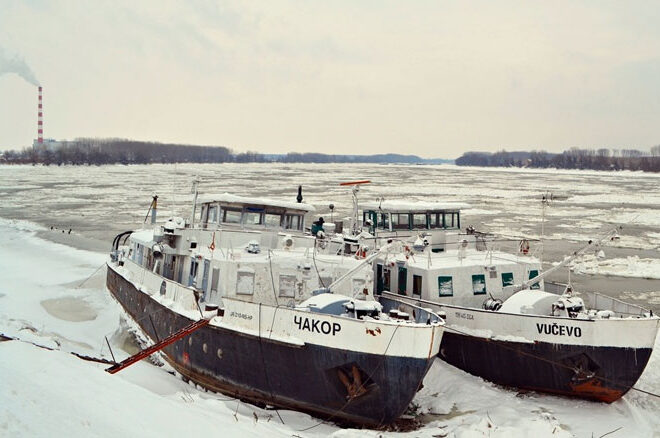
Avalanches Strike Juneau, Causing Major Vessel Losses at Dock
By Carli Stewart The Juneau city manager, Katie Koester, said that Thane Road was buried under one to two feet of snow over a mile of road. Though avalanches are common in the area, the city urged people to stay out of the area in fear of the danger it… SEE MORE
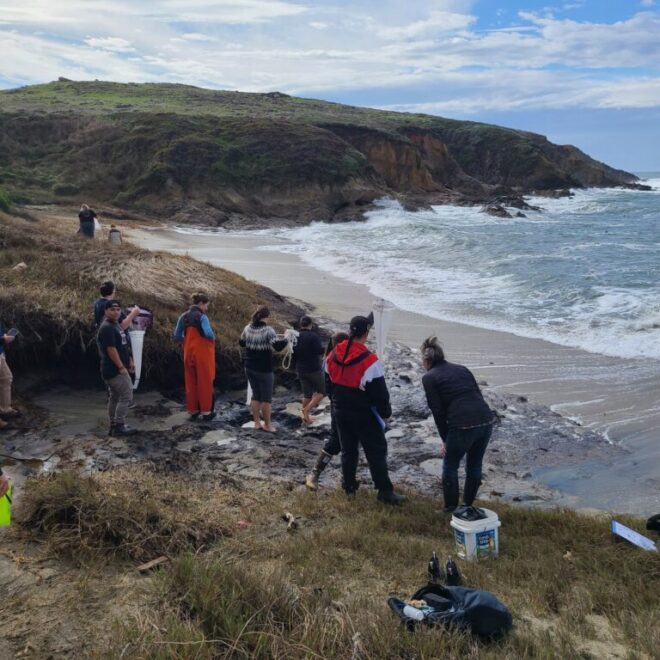
California Tribal Communities Ready to Monitor Culturally Important Marine Resources Impacted by Harmful Algal Blooms
By coastalscience.noaa.gov Traditional shellfish resources are often the lifeway to coastal tribes who rely on indigenous fisheries for subsistence. However, the expanding threat of harmful algal blooms (HABs) contaminate shellfish and poison local communities. NCCOS engages both locally and through regional partnerships with tribal nations to design workshops specific to… SEE MORE
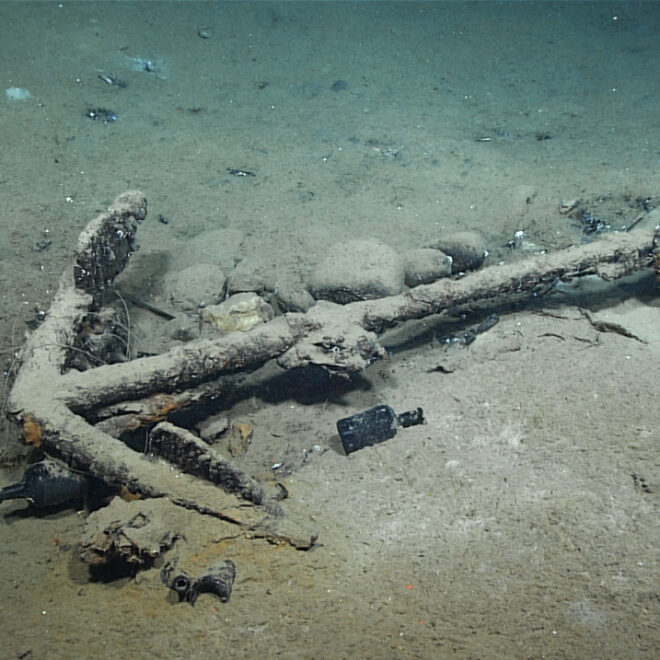
Coral Reefs are Emerging from Shipwrecks and Sunken Objects
By theconversation.com Not all underwater reefs are made of coral − the US has created artificial reefs from sunken ships, radio towers, boxcars and even voting machines! When people hear about underwater reefs, they usually picture colorful gardens created from coral. But some reefs are anchored to much more unusual foundations.… SEE MORE
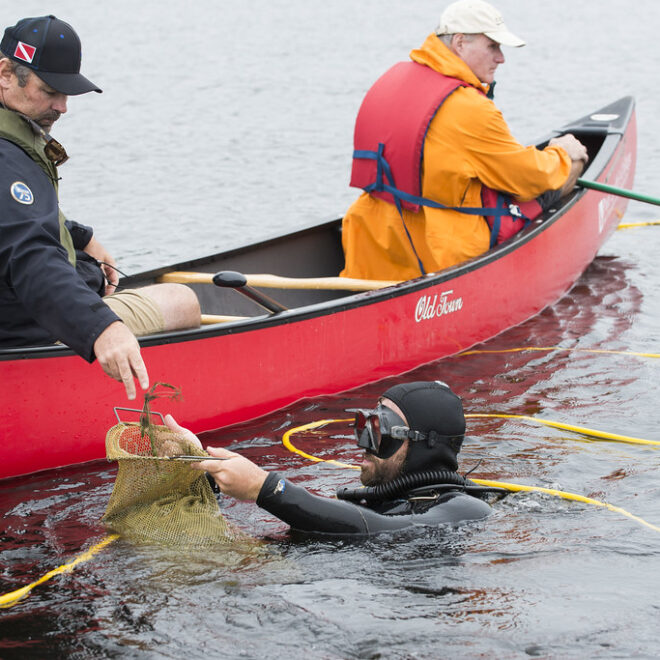
Do snitches net fishes? Scientists turn invasive carp into traitors to slow their Great Lakes push
By Todd Richmond Over the last five years, agencies such as the U.S. Fish and Wildlife Service and Minnesota Department of Natural Resources have employed a new seek-and-destroy strategy that uses turncoat carp to lead them to the fish’s hotspot hideouts. Agency workers turn carp into double agents by capturing… SEE MORE
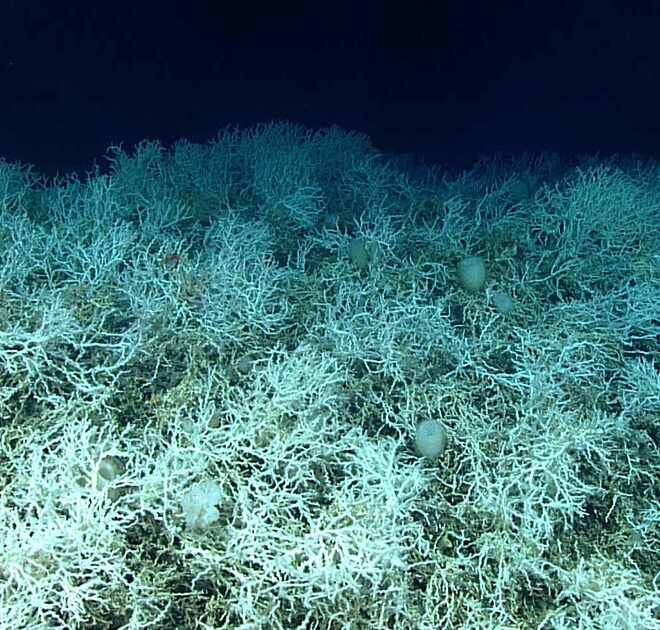
Coral Reef off southeast US Covers Area Larger than Vermont
By noaa.gov Covering 6.4 million acres, an area larger than Vermont, an underwater seascape of cold-water coral mounds off the shore of the southeast United States coast has been deemed the largest deep-sea coral reef habitat discovered to date, according to a paper recently published in the scientific journal Geomatics. "This strategic… SEE MORE
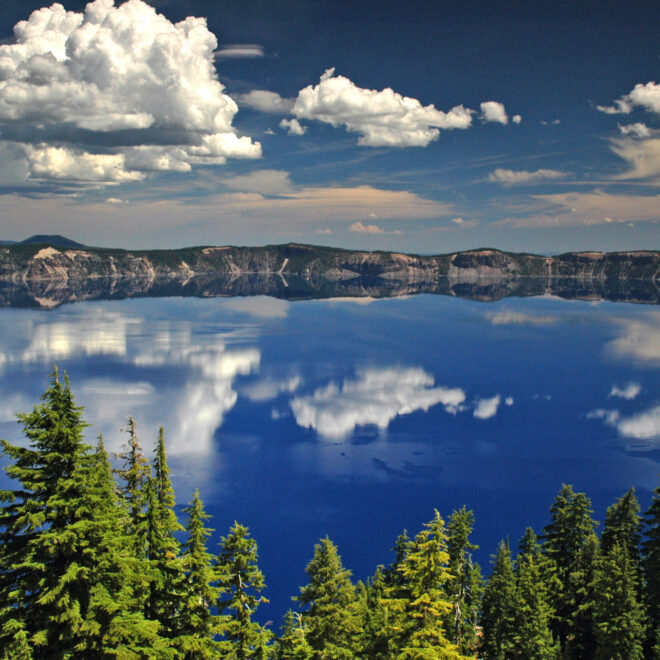
How the Great Lakes Formed—And the Mystery of Who Watched It Happen
By Gemma Tarlach Now, thanks to innovative technology, determination, and luck, archaeologists are bringing this lost human history to the surface, and piecing together the mystery of a hunter-gatherer society unlike any other in the region. The North American Great Lakes, sometimes called inland seas, are the world’s largest freshwater system. They… SEE MORE
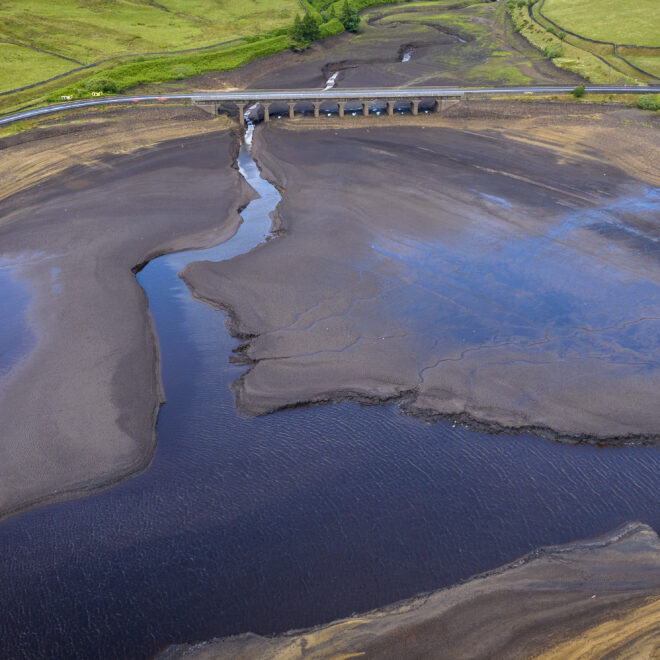
2023 was the World’s Warmest Year on Record, By Far
By noaa.gov It’s official: 2023 was the planet’s warmest year on record, according to an analysis by scientists from NOAA’s National Centers for Environmental Information (NCEI). Along with the historic heat, Antarctic sea ice coverage dropped to a record low in 2023. “After seeing the 2023 climate analysis, I have… SEE MORE
Government Extends Outer Limits of U.S. Continental Shelf
By State.gov Today, the Department released the geographic coordinates defining the outer limits of the U.S. continental shelf in areas beyond 200 nautical miles from the coast, known as the extended continental shelf (ECS). The continental shelf is the extension of a country’s land territory under the sea. Like other countries, the… SEE MORE