U.S. Champions Sustainable Tuna Fisheries in Eastern Pacific, Boosting American Fishermen and Conservation
By noaa.gov.
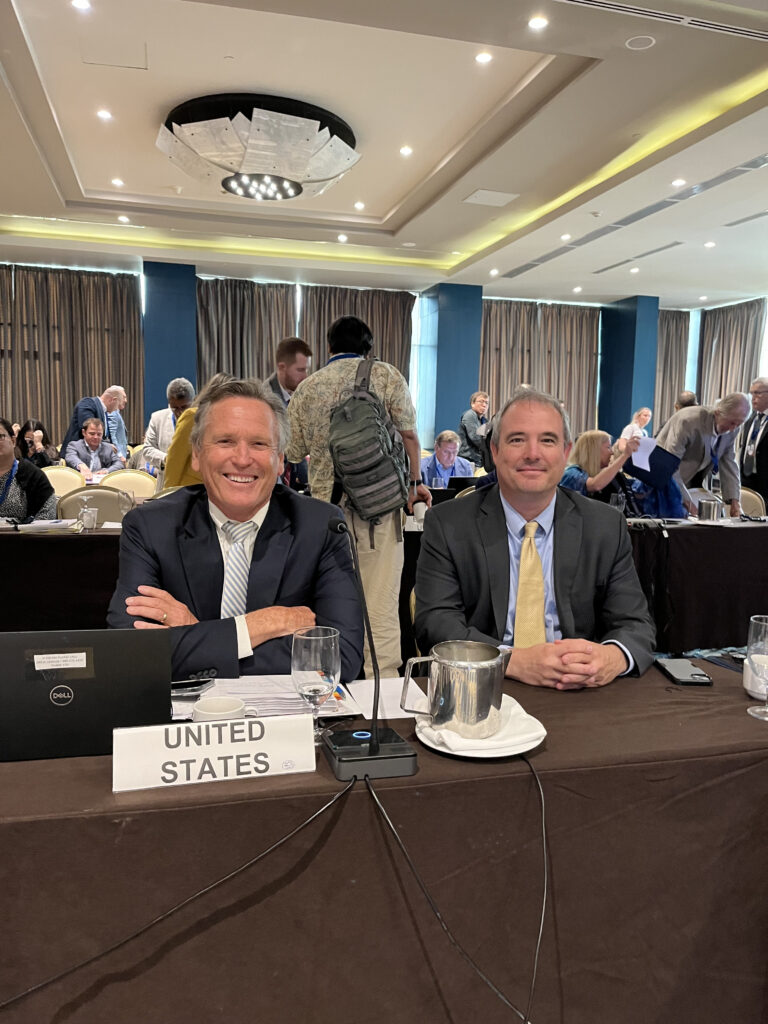
The United States took a bold leadership role last week at the annual Inter-American Tropical Tuna Commission (IATTC) meeting, driving innovative measures to sustainably manage tuna fisheries in the Eastern Pacific Ocean. Under the guidance of NOAA’s Principal Deputy Assistant Secretary for International Fisheries, Andrew Lawler, the U.S. delegation prioritized American interests by enhancing conservation efforts, strengthening monitoring programs, and expanding opportunities for American fishermen.
The IATTC, comprising 21 member nations, convened to manage highly migratory fish stocks using the best available science and consensus-driven decisions. The U.S. spearheaded critical advancements in tropical tuna management, Fish Aggregating Device (FAD) recovery, and regulatory simplification, reinforcing America’s commitment to both environmental stewardship and economic prosperity for its fishing industry.
Bolstering tropical tuna management
The United States led discussions on managing bigeye, yellowfin, and skipjack tuna and secured $1.8 million in funding for the Regional Tuna Tagging Program. This U.S.-backed initiative will enhance understanding of tuna distribution and stock health, ensuring sustainable harvests that support U.S. fishermen. The U.S. also championed the creation of the Integrated Port Sampling Program, merging traditional and enhanced monitoring efforts to deliver precise data on stock health and fleet impacts. By reducing closure days for purse seine vessels—after scientific confirmation of healthy tuna stocks—the U.S. fought to ensure greater access for American fishermen to these stocks without compromising sustainability.
Pioneering fish aggregating device (FAD) recovery
FADs are critical to efficient fishing in the Eastern Pacific, but abandoned FADs can harm marine ecosystems. The American Tuna boat Association, showcasing U.S. leadership, spearheaded a multinational industry coalition that committed significant funding to FAD recovery programs.
Read more at noaa.gov.