WHOI Scientist Hunts for 10-Million-Year-Old Ice in Antarctica
By Evan Lubofsky, whoi.edu.
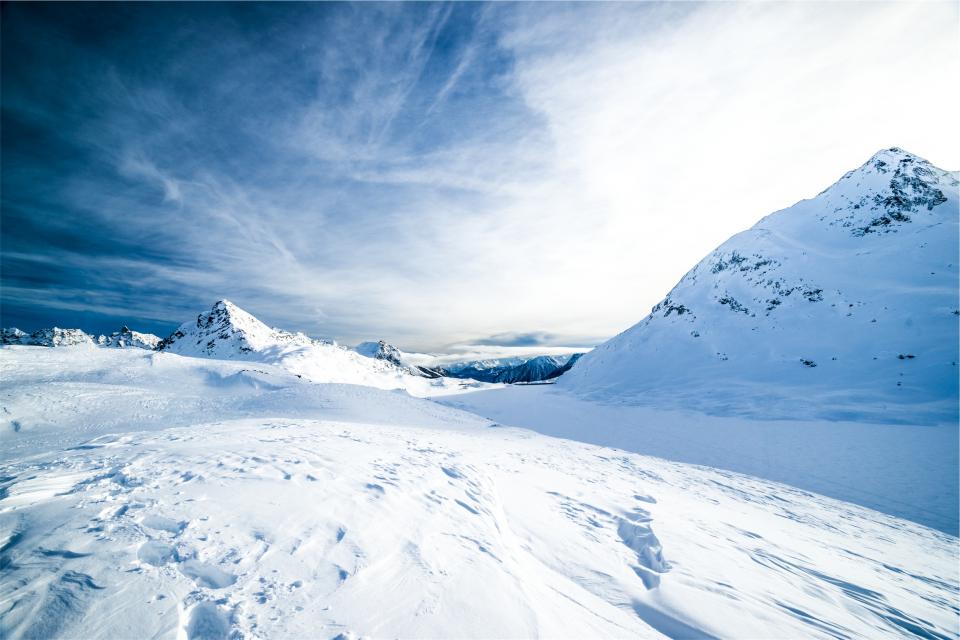
Ancient ice buried beneath Antarctica holds trapped air bubbles that serve as tiny time capsules of Earth’s atmosphere — and a WHOI geoscientist is pushing the record further back than ever before. Sarah Shackleton, who helped recover 6-million-year-old ice cores from Antarctica’s Allan Hills in 2023, is now planning a return expedition to an even more remote site called Elephant Moraine, where she hopes to find ice dating back 10 million years. For anyone interested in the ocean and climate systems that shape our coastlines and harbors, this research offers a deeper look at what Earth’s climate looked like during a much warmer era — and what that may mean for the future.
As Evan Lubofsky writes for WHOI’s Oceanus magazine:
The WHOI geoscientist hunts for old ice — really old ice that has survived for millions of years. Like the 6-million-year-old ice core she and her colleagues brought back from the Allan Hills region of Antarctica in 2023.
“We’re trying to understand what the climate was like on timescales of early human evolution, when the planet was warmer,” said Shackleton. “Old ice is a window into our planet’s past.”
“We’re hoping to extend these records, possibly back to 10 million years ago,” said Shackleton. “That was a little after the mid-Miocene, when the Earth was quite a bit warmer. We don’t have a good understanding of what the world looks like when it was that much warmer, why it was warmer, and what that meant for the rest of the climate.”
Shackleton and her COLDEX colleagues take a counterintuitive approach: rather than drilling thousands of meters deep at the center of the ice sheet, they work the edges, where ancient ice has been pushed closer to the surface by topography and wind. At Elephant Moraine, they expect to hit bedrock at just 200 meters — a fraction of the depth required at interior drilling sites. If the November expedition goes forward, the trapped air bubbles in those cores could reveal carbon dioxide levels, ocean temperatures, and ice sheet behavior from an era when seas were far higher than today.
Read the full article here: A scientist’s quest to find Earth’s oldest ice
Originally published on April 29, 2026.