Research Project Provides New Estimates Of Greater Amberjack Abundance in U.S. South Atlantic, Gulf Of America
By seagrant.noaa.gov, seagrant.noaa.gov.
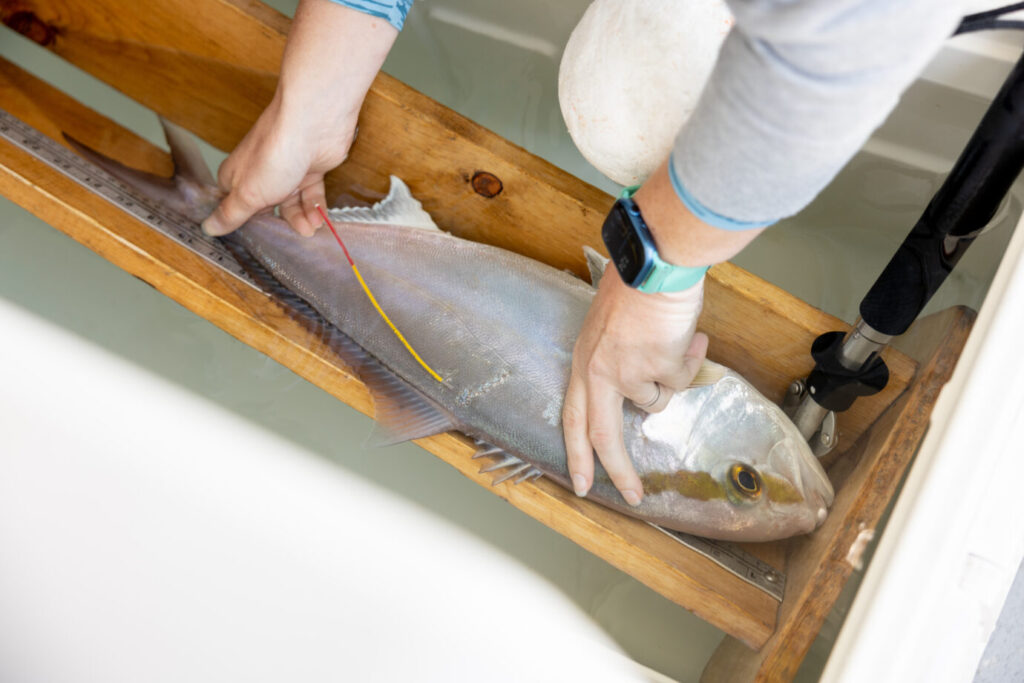
A multi-year research project to estimate the number of greater amberjack in the U.S. South Atlantic and Gulf of America has provided new insight into the species. The Greater Amberjack Count was led by Sean P. Powers, Ph.D., fisheries ecology professor and Director of the Stokes School of Marine and Environmental Sciences of the University of South Alabama.
In 2020, recognizing a lack of biological and ecological information about greater amberjack, Congress appropriated $5 million to NOAA Fisheries and $5 million to the National Sea Grant College Program to fund the Greater Amberjack Count. With matching funds from institutions, the project totaled $11.7 million. A team of 20 scientists from more than a dozen institutions, along with two NOAA Fisheries collaborators, contributed to the study.

Read the full article here: Research project provides new estimates of greater amberjack abundance in U.S. South Atlantic, Gulf of America
Originally published on 2 July, 2026.