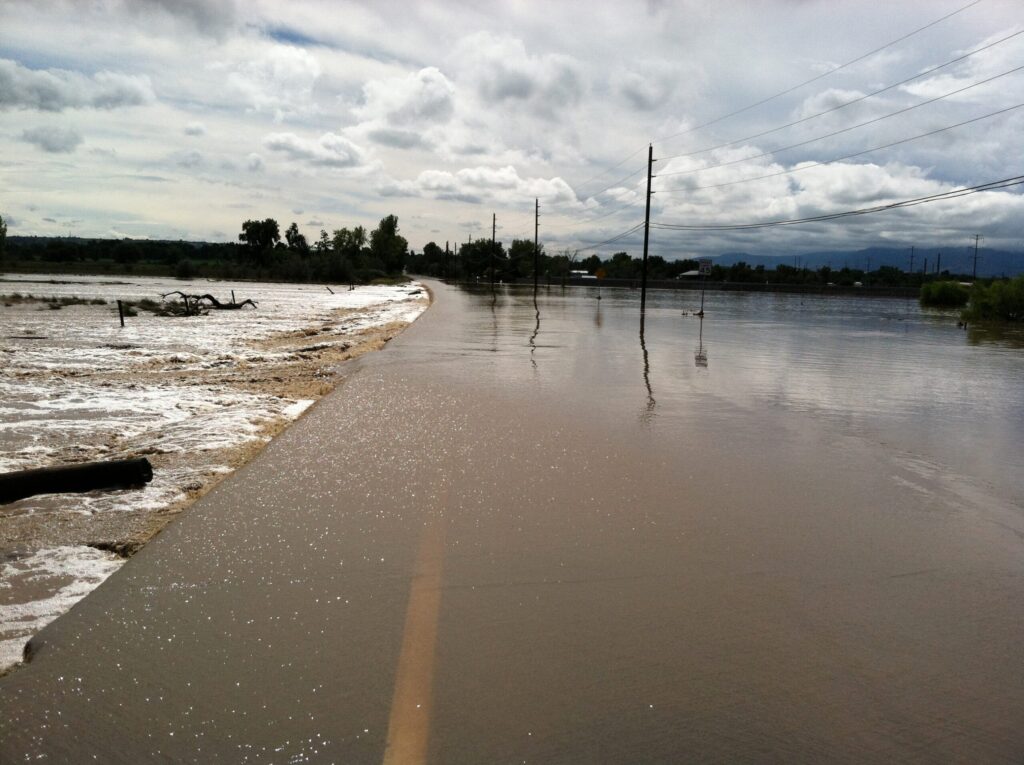
Sudden Danger: The Science And Stakes of Flash Flood Forecasting
By research.noaa.gov, research.noaa.gov.
Though not as feared as tornadoes, hail, or lightning, flash floods are one of the deadliest weather hazards in the United States. While the number of fatalities can vary dramatically from year to year, the national average for flood deaths is 88. Lightning accounts for an average of 41 deaths per year while tornadoes claim an additional 68 on average.
Part of the danger of flash floods comes in their incredible power. Waters can rise suddenly and violently, moving with thunderous power and sweeping away anything in their path. Many people fail to realize the power of water in a flash flood. A mere six inches of fast-moving flood water can knock you off your feet and 12 inches can carry away a car.
Flash floods have also been one of the hardest severe storm hazards to predict. Relatively minute differences in rainfall rates and location yield massive differences in outcome. In areas of hilly or mountainous topography, a shift in a storm’s location by just a few miles can be the difference between a manageable rain event and a catastrophe. In the 2025 Texas disaster, the rainfall was almost wholly concentrated in a single basin—the Guadalupe River basin. Had the storms moved just five to 10 miles south, the water would have been split across different basins, likely preventing the historic scale of the disaster.
“The bigger killers are the ones that are difficult to predict,” said JJ Gourley, a researcher at the NOAA National Severe Storms Laboratory (NSSL). “These are going to be driven by convective storms. They could be supercells or storms that train over the same area, over and over again. These tend to produce really intense rainfall rates and you can see several inches of precipitation just a matter of minutes.”
Read the full article here: Sudden danger: the science and stakes of flash flood forecasting
Originally published on 1 July, 2026.