Boating Filter
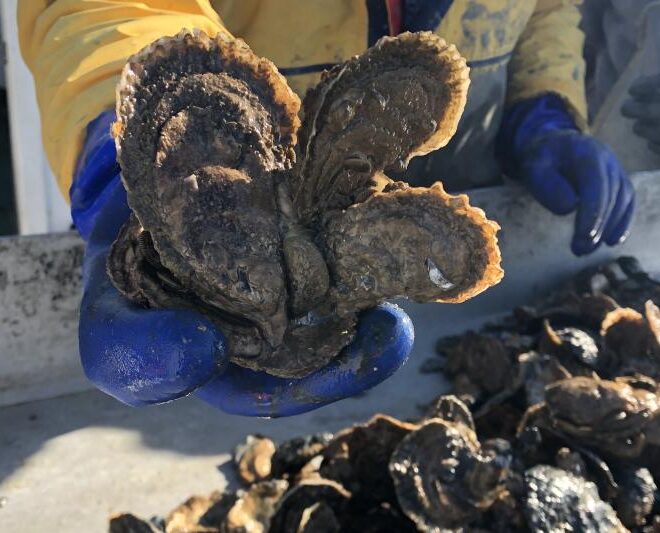
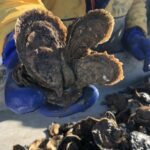
Celebrating Oysters During Oyster Week
By fisheries.noaa.gov, fisheries.noaa.gov. Oysters are great multitaskers! They provide many benefits to the ecosystem they live in. They are filter feeders—they clean the water as they eat. And they grow in reefs, which provide great habitat for many other species. But in many places, their population has plummeted. So we… SEE MORE
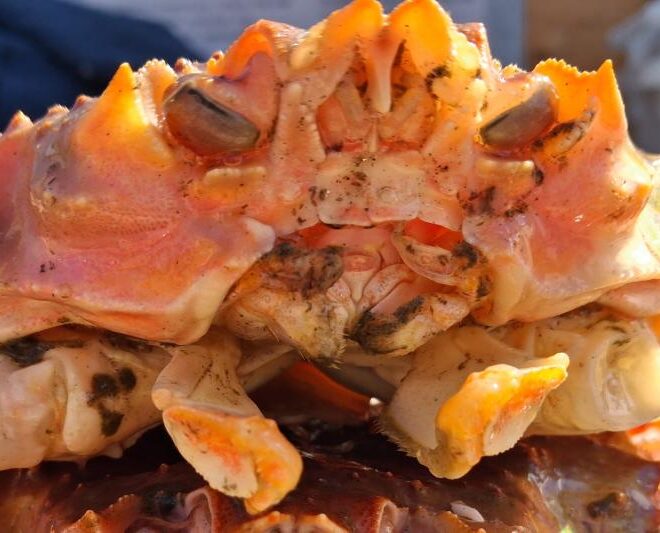
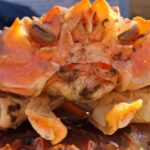
Marine Heatwave Triggered a Hybrid Crab Surge in the Bering Sea
By fisheries.noaa.gov, fisheries.noaa.gov. A team of scientists at the Alaska Fisheries Science Center’s Kodiak Laboratory has uncovered an unexpected ecological aftermath following the major 2018–2019 Bering Sea marine heatwave. The results, published in a new Proceedings of the National Academy of Sciences study, show the abundance of snow-Tanner crab hybrids increased by more… SEE MORE
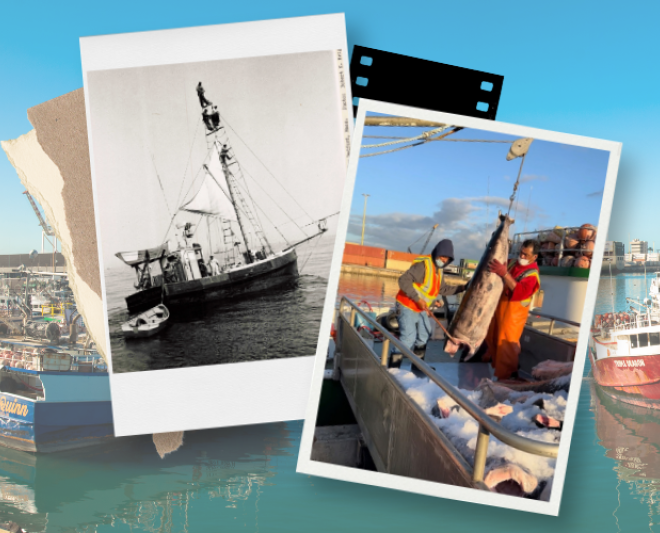
Highly Migratory Species Management: Managing Shared Resources at Home and Around the World
By fisheries.noaa.gov, fisheries.noaa.gov. Highly migratory species—like Atlantic yellowfin tuna, Pacific albacore, and Atlantic swordfish—travel thousands of miles across state, national, and international boundaries throughout their lives. These important commercial and recreational fisheries support seafood businesses and coastal communities across the United States. But highly migratory fish don’t recognize state or national borders, so… SEE MORE
FEATURED CONTENT
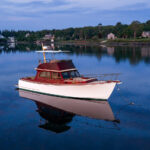
Quietly Sophisticated: The Hood 42 LM
By US Harbors At first glance, the Hood 42 LM might be confused for a boat that worked the Maine coast fifty years ago, but upon further inspection, the fifteen coats of Epifanes varnish over mahogany and custom-cast bronze hardware reveal that this boat was built for cruising. Beyond the… Learn More
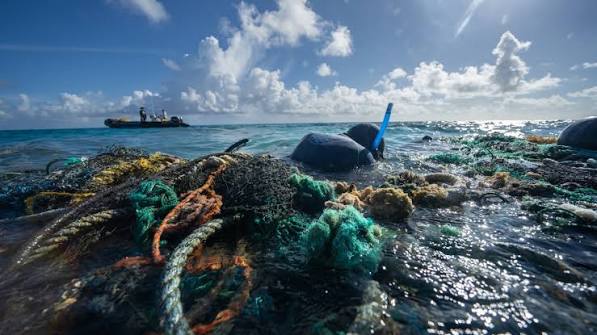
Large-scale Marine Debris: 4 Ways to Clean up the Big Stuff
By fisheries.noaa.gov, fisheries.noaa.gov. Marine debris is a challenging problem. Across the country, NOAA and partners remove everything from lost fishing gear tangled on the seafloor to sunken vessels, abandoned tire reefs, and other trash that have become hazards to navigation and marine ecosystems in the ocean and Great Lakes. Beginning in… SEE MORE
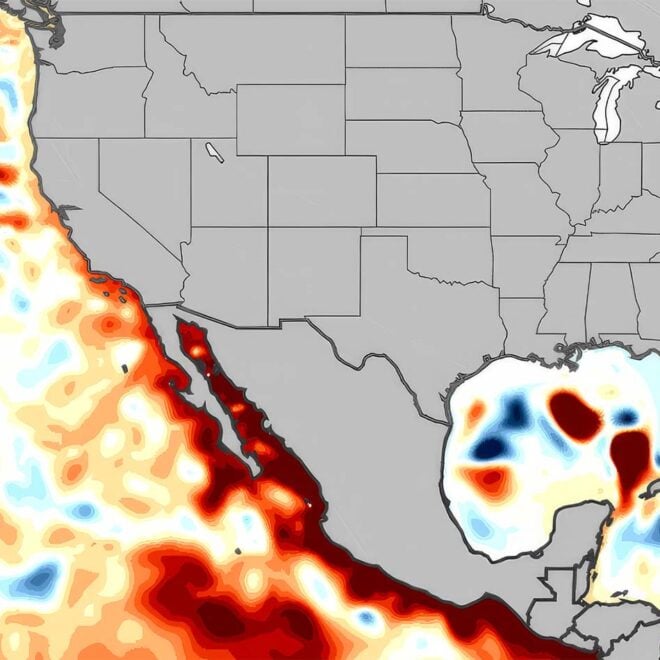
Kelvin Waves, Explained
By fisheries.noaa.gov, fisheries.noaa.gov. You may be hearing a lot about Kelvin waves in the news. What are Kelvin waves, and how are they related to El Niño? We asked oceanographer Michael Jacox, from the Southwest Fisheries Science Center and NOAA Physical Sciences Laboratory, to explain the phenomenon. What is a Kelvin wave and… SEE MORE
Featured Local Businesses


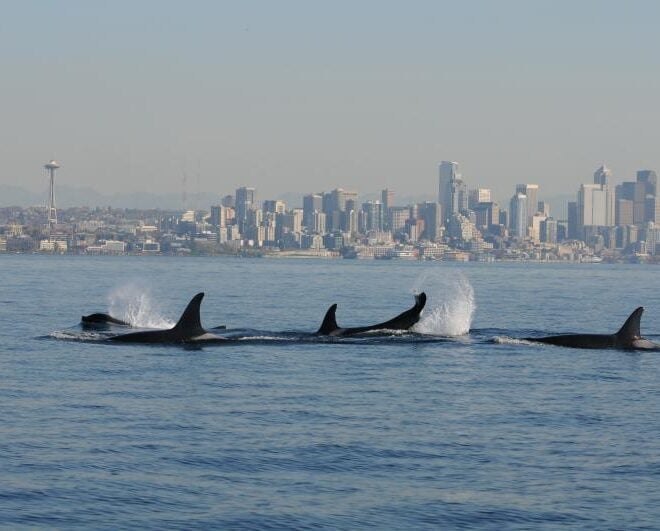
How Will El Niño Affect Your Local Fisheries?
By fisheries.noaa.gov, fisheries.noaa.gov. What does El Niño mean for U.S. fisheries and marine life? What can fishermen and coastal communities expect to observe and experience as this event continues and potentially intensifies? And what are scientists at NOAA Fisheries doing to track this natural phenomenon? The El Niño-Southern Oscillation is a powerful… SEE MORE
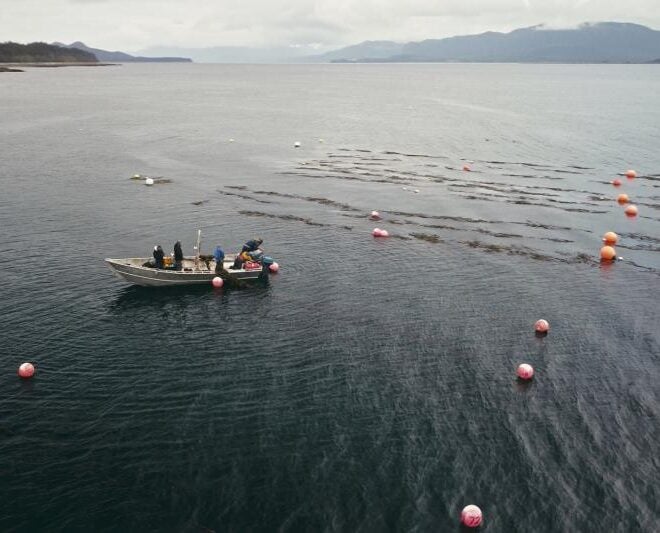
Kelp Farms and Marine Life Co-Exist in Southeast Alaska
By fisheries.noaa.gov, fisheries.noaa.gov. Marine aquaculture, or mariculture, provides economic opportunities for coastal communities in Alaska through farming shellfish and seaweed. NOAA Fisheries continues to support Alaska’s growing aquaculture industry through policy and permitting—providing access to resources and research. A recent study highlights one of our newest aquaculture research collaborations. Through this… SEE MORE