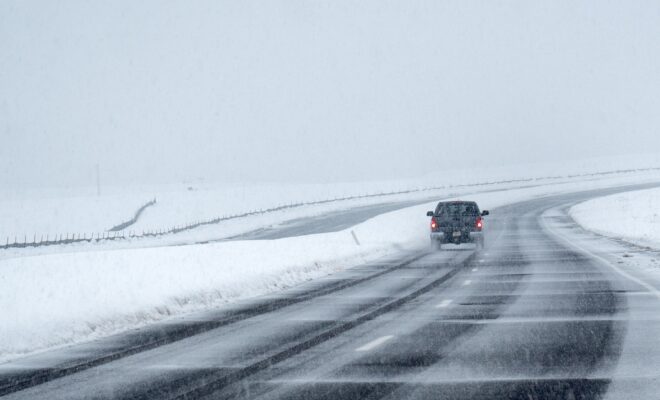
A car drives through a snowstorm in Broomfield, Colorado, in 2024. (Image credit: Bob Hyatt/NOAA)

El Nino looms large over U.S. Winter Outlook

10/17/2026 - By noaa.gov, noaa.gov. NOAA’s U.S. Winter Outlook, released today, shows how El Nino will likely influence the upcoming winter months (December 2026 to February 2027), with warmer-than-average temperatures expected across the northern U.S.; wetter-than-average conditions likely across the southern U.S., from California to Florida, and along the Eastern Seaboard; and drought improving… SEE MORE
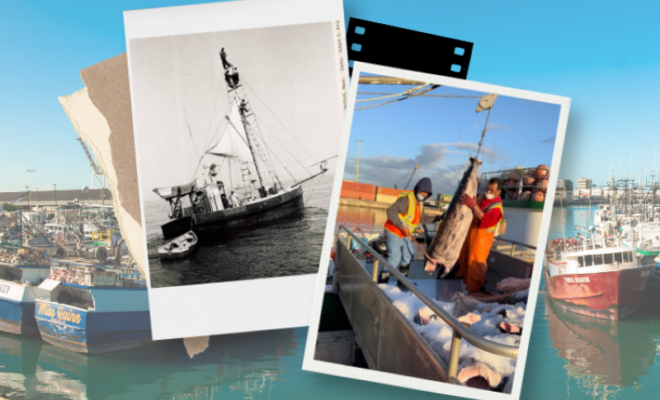
Archival photo of New England swordfishing vessel (left) courtesy of NOAA Fisheries; Background photo and photo offloading fish (right) courtesy of Hawaii Longline Association/Eric Kingma

Highly Migratory Species Management: Managing Shared Resources at Home and Around the World

10/16/2026 - By fisheries.noaa.gov, fisheries.noaa.gov. Highly migratory species—like Atlantic yellowfin tuna, Pacific albacore, and Atlantic swordfish—travel thousands of miles across state, national, and international boundaries throughout their lives. These important commercial and recreational fisheries support seafood businesses and coastal communities across the United States. But highly migratory fish don’t recognize state or national borders, so… SEE MORE
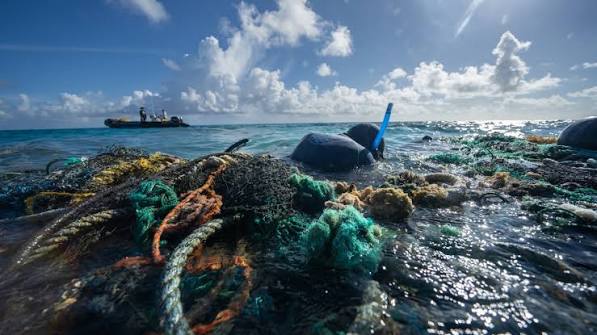
A freediver from the Papahānaumokuākea Marine Debris Project works to carefully remove a ghost net from the reef at Kamokuokamohoali‘i (Maro Reef) in Hawaii. (Image credit: Andrew Sullivan-Hawkins/Papahānaumokuākea Marine Debris Project (Under permit # PMNM-2024-003))

Large-scale Marine Debris: 4 Ways to Clean up the Big Stuff

10/12/2026 - By fisheries.noaa.gov, fisheries.noaa.gov. Marine debris is a challenging problem. Across the country, NOAA and partners remove everything from lost fishing gear tangled on the seafloor to sunken vessels, abandoned tire reefs, and other trash that have become hazards to navigation and marine ecosystems in the ocean and Great Lakes. Beginning in… SEE MORE
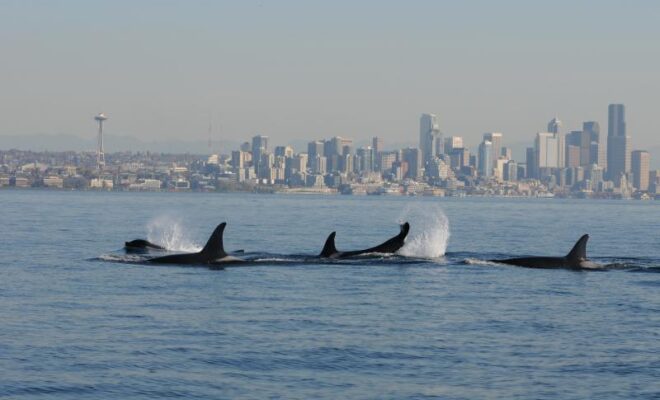
Southern Resident killer whales swim just off Seattle’s shore. NOAA experts anticipate that the West Coast and the Pacific Islands will feel the effects of the 2026–2027 El Niño event most directly. Credit: NOAA Northwest Fisheries Science Center; taken under NOAA permit #781-1824

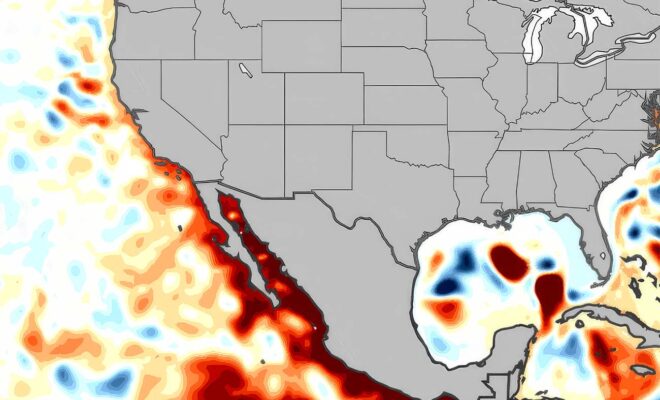
How Will El Niño Affect Your Local Fisheries?

10/10/2026 - By fisheries.noaa.gov, fisheries.noaa.gov. What does El Niño mean for U.S. fisheries and marine life? What can fishermen and coastal communities expect to observe and experience as this event continues and potentially intensifies? And what are scientists at NOAA Fisheries doing to track this natural phenomenon? The El Niño-Southern Oscillation is a powerful… SEE MORE
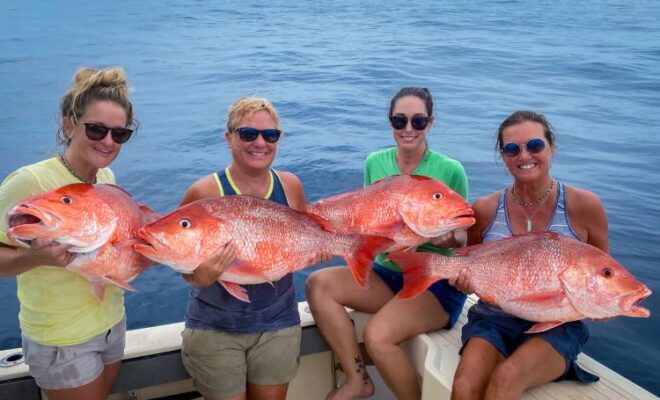
A group of women aboard a boat hold large red snappers caught during a recreational fishing trip. Credit: Grayson Shepard

NOAA Announces 2026 Federal Recreational Red Snapper Season, Exempted Fishing Permits in South Atlantic

10/2/2026 - By fisheries.noaa.gov, fisheries.noaa.gov. NOAA Fisheries announced today the 2026 federal recreational red snapper fishing season in the South Atlantic and the issuance of three exempted fishing permits (EFPs) to Florida, Georgia, and South Carolina. The federal recreational red snapper season will open for three days this year from October 9… SEE MORE