Search for More Stories:
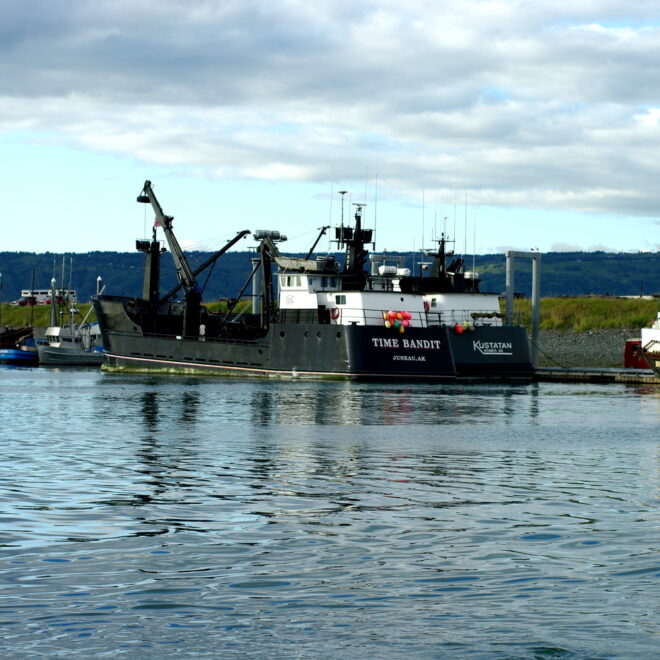
Boat of the Month: F/V Ironic
By Paul Molyneaux. Some of the most interesting commercial fishing vessels on the water are owner-built. The design and functionality of a fishing vessel that moves from imagination to final form through the work of the people who will take it to sea are almost always unique. Along those lines,… SEE MORE
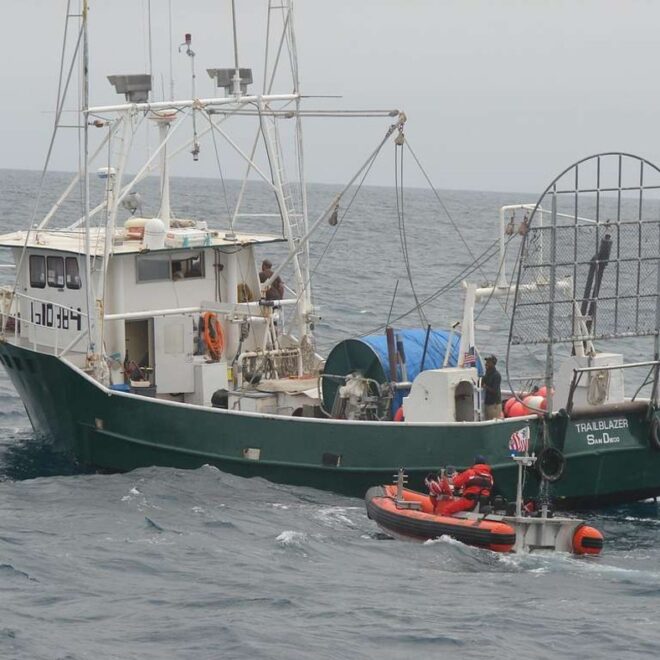
Crafting the Perfect Lampara Net for California’s Evolving Bait Fishery
By Paul Molyneaux. Eureka, California fisherman and innovator Ken Bates strives to build the perfect lampara net. Into his 70s now, Ken Bates has seen decades of fishing on the coast of northern California. He spent 35 winters gillnetting row herring in Humboldt Bay and fished for sardines and anchovies… SEE MORE
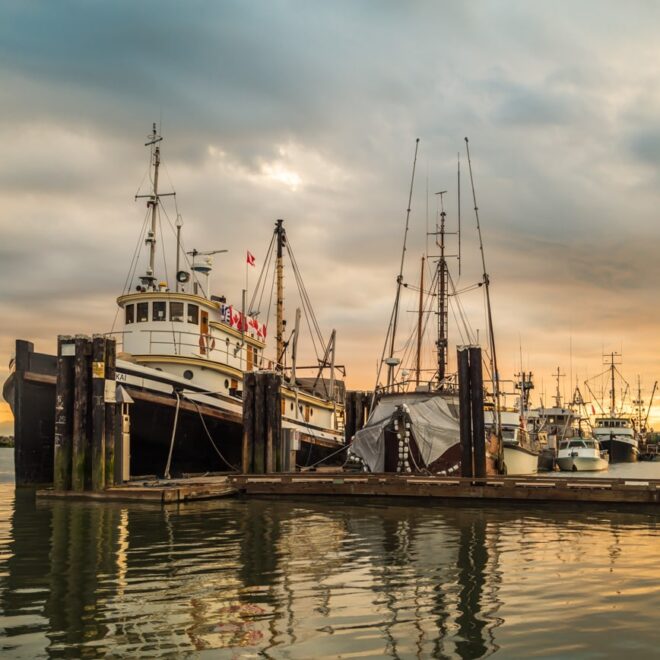
A Landmark Celebration of Fishing Heritage and Community
By nationalfisherman.com. The New Bedford Fishing Heritage Center has installed a striking new landmark in the heart of the City's Seaport Historic District. Catch the Tradition captures the spirit and enduring legacy of New Bedford, the nation’s most valuable fishing port, and invites visitors to explore the story of commercial fishing, one of… SEE MORE
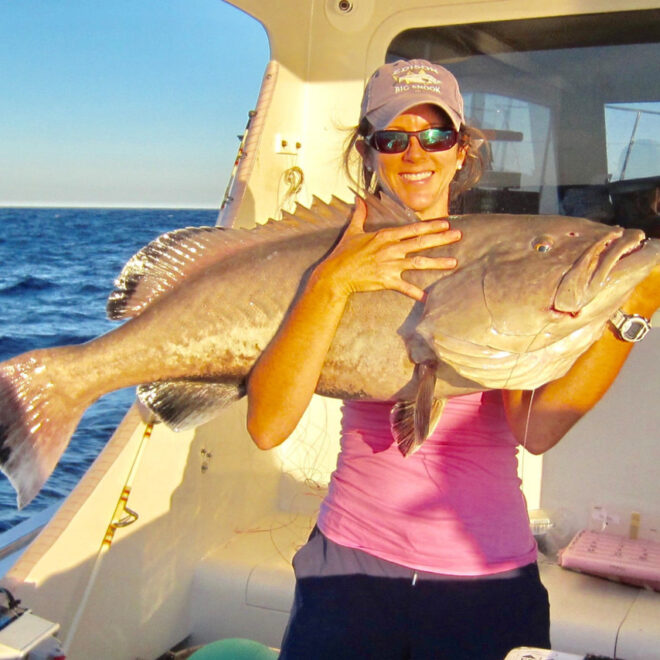
Louisiana’s Late Summer Bull Redfish Blitz
By Todd Masson. Fish the flats of Louisiana's lower Barataria Basin into fall. Although Capt. Shane York is a regular at his local gym, at least a portion of his body-builder’s physique can be attributed to an annual run of bull redfish at an expansive bay near his favorite south Louisiana port.… SEE MORE
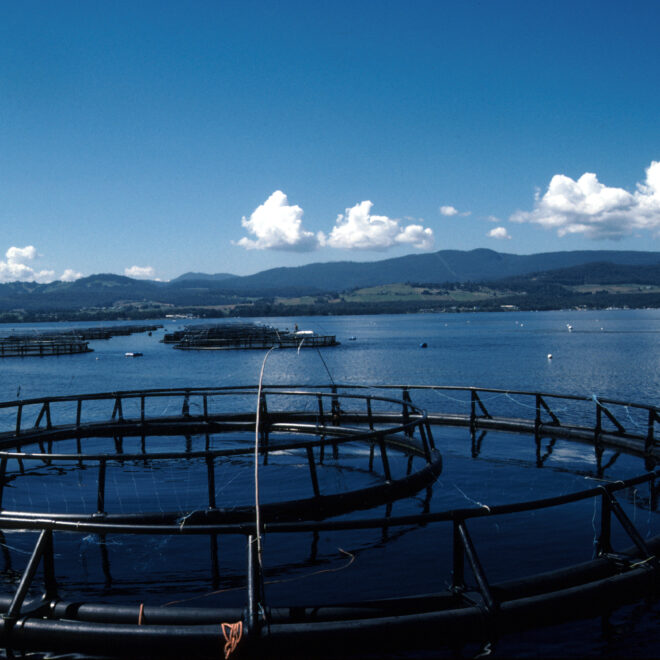
Saltwater Aquaculture Is More Climate-Friendly than Freshwater Aquaculture
By Barbara Pinho. As the aquaculture industry grows, new research finds that seafoods raised in marine waters have a smaller carbon footprint than those raised in fresh water. The world’s aquaculture industry is booming. And it’s no wonder—overfishing in the open ocean has caused populations of many commercially caught fish… SEE MORE
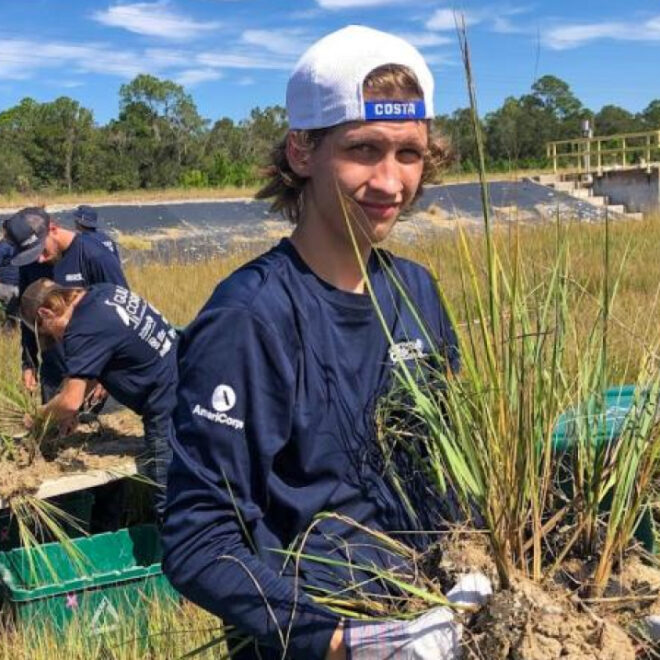
NOAA Proposes $45 Million for Coastal Habitat Restoration and Resilience Projects for Tribes and Underserved Communities
By noaa.gov. Today, the Department of Commerce’s National Oceanic and Atmospheric Administration (NOAA) is recommending more than $45 million in funding to support 27 new Coastal Habitat Restoration and Resilience Grants for Tribes and Underserved Communities. Of this $45 million in funding, more than $20 million is recommended for federally recognized… SEE MORE
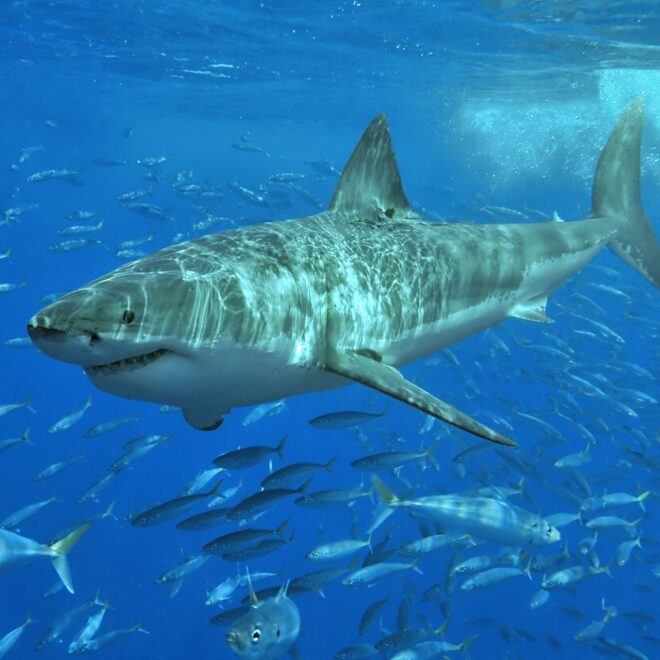
Nearshore Topwater Shark Fishing
By Capt. Zac Grossman. Find incredible action for high-flying blacktip and spinner sharks near the suds. How often is the word “guaranteed” included in a fishing invite? And how often is that fishing invitation an opportunity to target 75-plus-pound sharks that violently attack popping plugs and flies? Those who are… SEE MORE
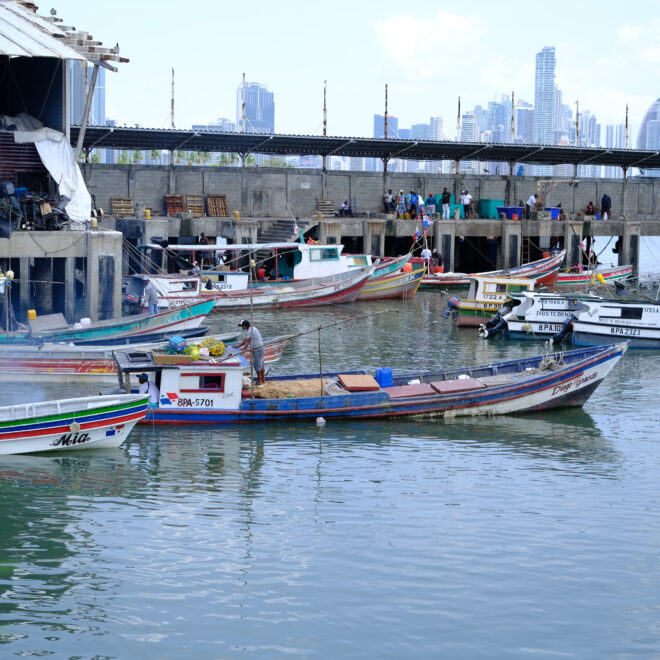
Panama City Fishing Paradise
By Doug Olander. Florida's Panhandle crystal waters offer great action inshore and offshore. As we skimmed over the mirror-calm surface of Saint Andrew Bay, en route from Sun Harbor Marina to the DuPont (Highway 98) bridge that separates Saint Andrew from East Bay, I marveled at how large an area of… SEE MORE
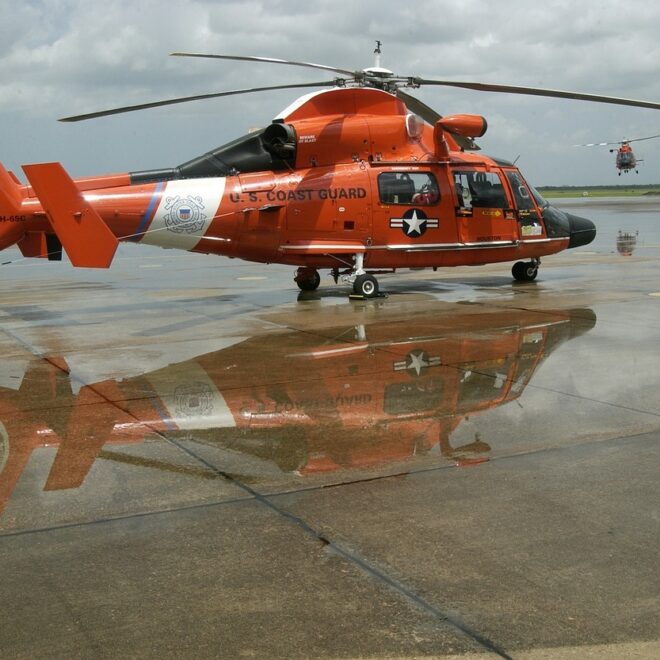
Coast Guard Foundation Activates Disaster Relief after Beryl, Debby, Alaska Floods
By nationalfisherman.com. The Coast Guard Foundation opened its emergency disaster relief program to assist Coast Guard members and their families who have been affected by Hurricane Beryl, Tropical Storm Debby and glacial flooding in Juneau, Alaska. “The 2024 Atlantic hurricane season has already proven to be one of the most… SEE MORE
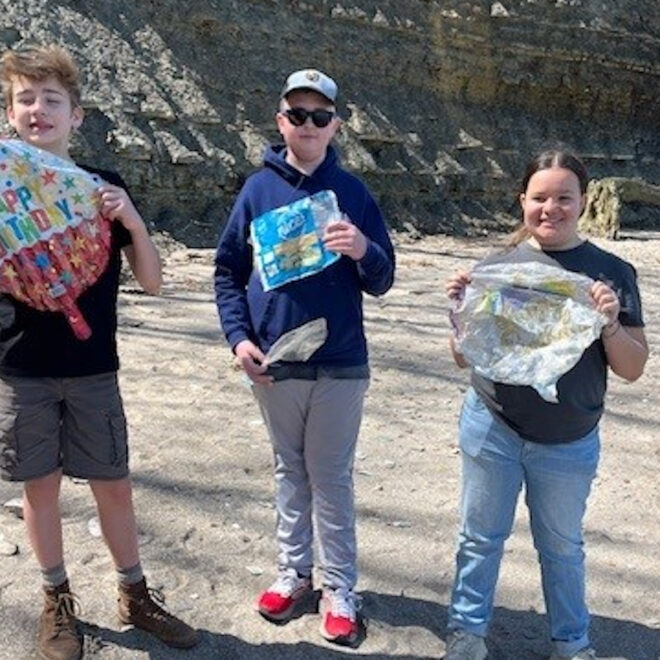
Volunteers Help Monitor, Clean Up Ohio Beaches
By coast.noaa.gov. Volunteers are cleaning up Ohio’s Lake Erie shoreline while contributing to national marine debris monitoring efforts, thanks to a partnership between the state’s coastal management and research reserve programs. Marine debris, or solid litter that ends up in marine or Great Lakes environments, is a type of nonpoint… SEE MORE
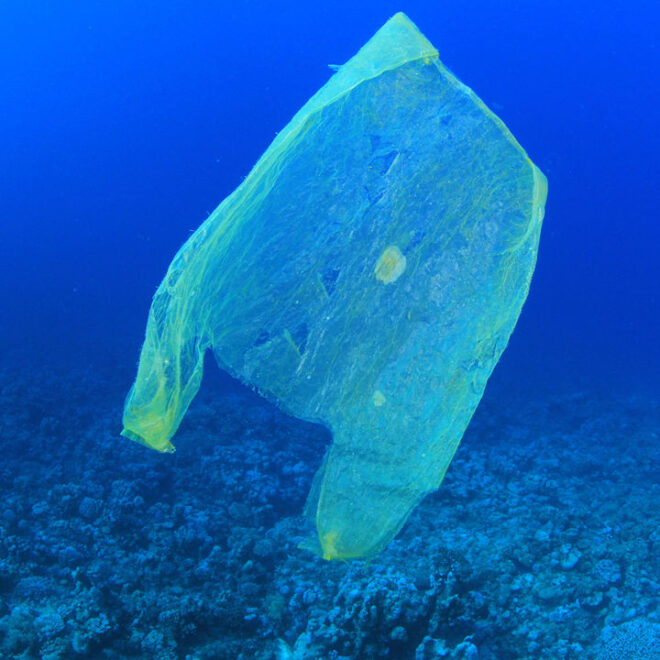
Seagrass and Plastic Are Not Friends
By Sean Mowbray. The year 2021’s hopeful optimism is 2024’s unfortunate reality. In 2021, what sounded like a good news story hit the media: in the Mediterranean, seagrasses were trapping plastic waste, capturing fragments in their leaves and locking microplastics in seafloor sediments. The news cycle was spurred by a study… SEE MORE
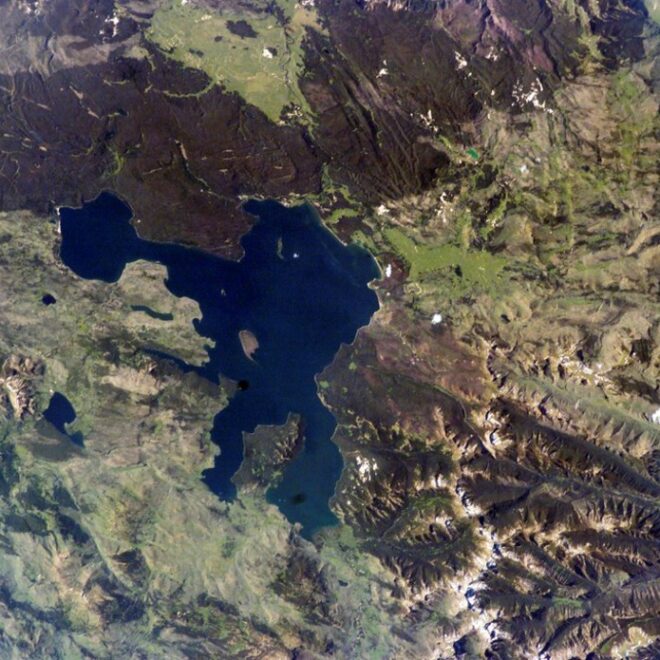
Dead zone measures as big as Yellowstone
By nationalfisherman.com. NOAA-supported scientists announced that this year’s Gulf of Mexico “dead zone”— an area of low to no oxygen that can kill fish and marine life — is approximately 3,058 square miles. That’s almost two million acres of habitat potentially unavailable to fish and bottom species — nearly as… SEE MORE