Search for More Stories:
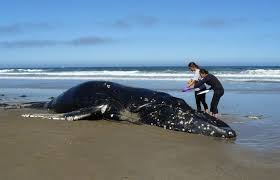
Derelict Fishing Gear: A Growing Hazard for Whales and Boaters Alike
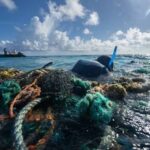
By Norris Comer, Published in best4boats.com. The tragic recent stranding of a young humpback whale on Oregon's coast has renewed attention on the widespread problem of derelict fishing gear—an issue that affects not only marine mammals but recreational and commercial boaters navigating U.S. coastal waters. For anyone who has cruised… SEE MORE
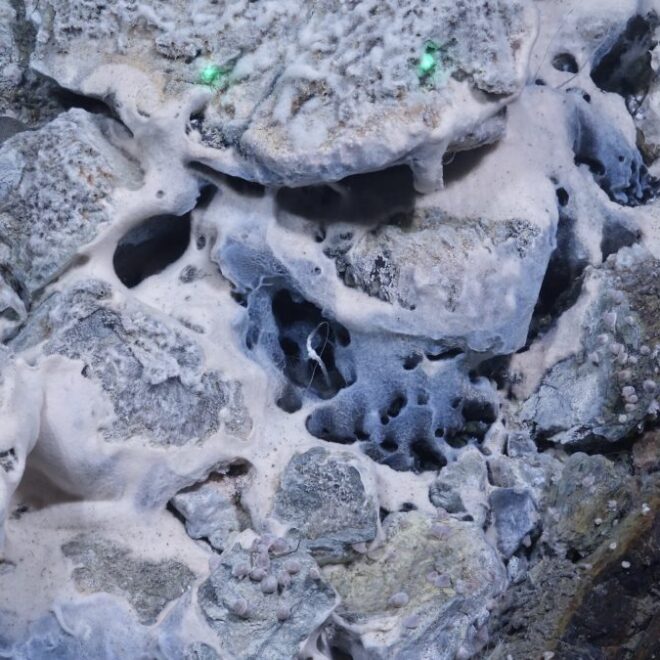
Arctic Ocean Discovery Reveals New Methane Source Using Advanced Marine Sensors
By Woods Hole Oceanographic Institution, whoi.edu. Marine research technology continues to advance our understanding of ocean chemistry, with implications for Arctic navigation and environmental monitoring that affect commercial shipping routes and harbor operations throughout the region. According to a November 21, 2025 press release from Woods Hole Oceanographic Institution: An… SEE MORE
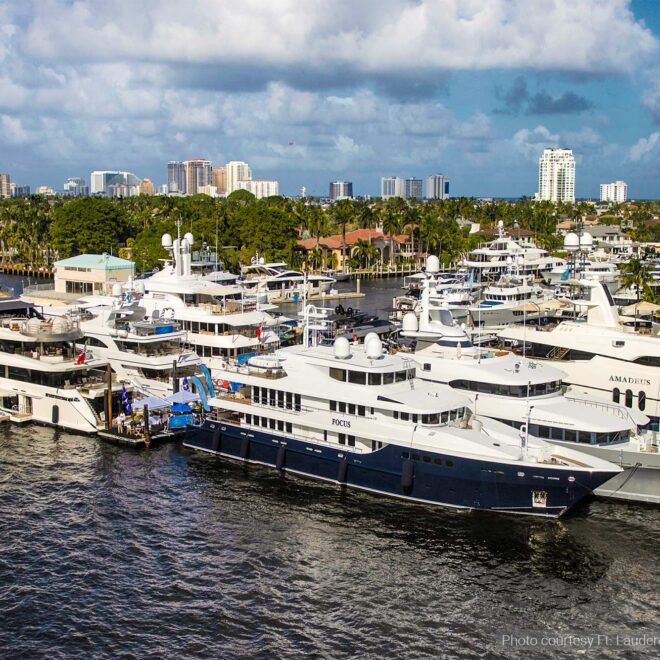
2025 Fort Lauderdale Boat Show Wrap Up
By Eric Colby for US Harbors US Harbors made our annual trip to the Fort Lauderdale International Boat Show (FLIBS), joining thousands of boaters, builders, and marine businesses across seven venues on nearly 90 acres of waterfront. Now in its 66th year, FLIBS featured more than 1,300 vessels, 1,000 exhibitors… SEE MORE
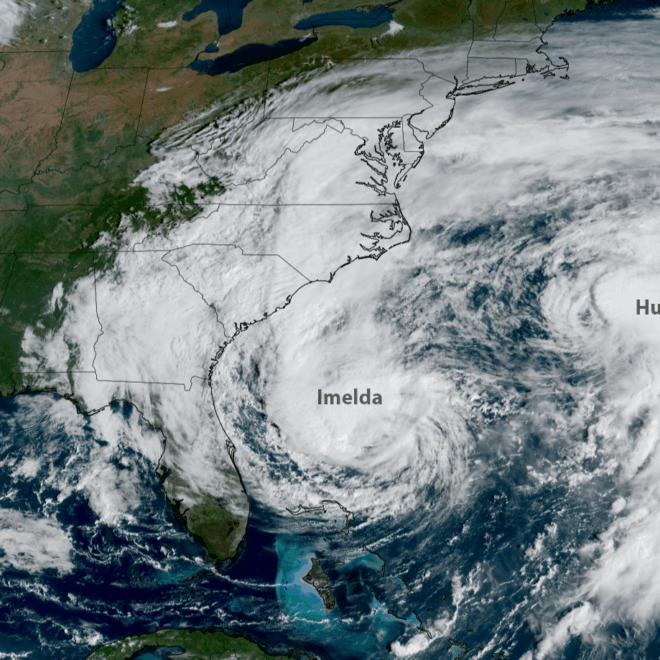
2025 Atlantic Hurricane Season Marked by Striking Contrasts
By noaa.gov, noaa.gov. Seasonal activity fell within NOAA’s predicted ranges The 2025 Atlantic hurricane season, which officially ends on November 30, was notable for its striking contrast — wavering between periods of relative calm and bursts of intense activity, generating very powerful storms. Overall, the season fell within the predicted ranges… SEE MORE
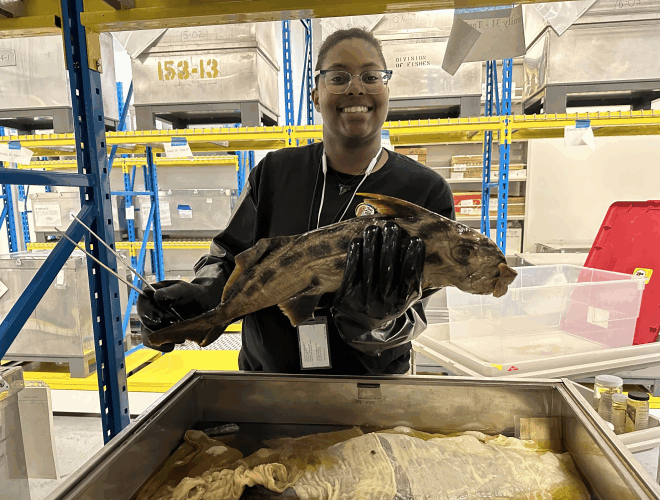
Diving Into Ghost Shark Systematics: My Summer as a NOAA Hollings Scholar
By fisheries.noaa.gov, fisheries.noaa.gov. Northeastern University student Lei Curtis reflects on their Hollings internship experience with the National Systematics Laboratory. My name is Lei Curtis, and I’m excited to share my experience as a 2025 NOAA Hollings scholar interning with the National Systematics Laboratory. I’m a senior at Northeastern University studying… SEE MORE
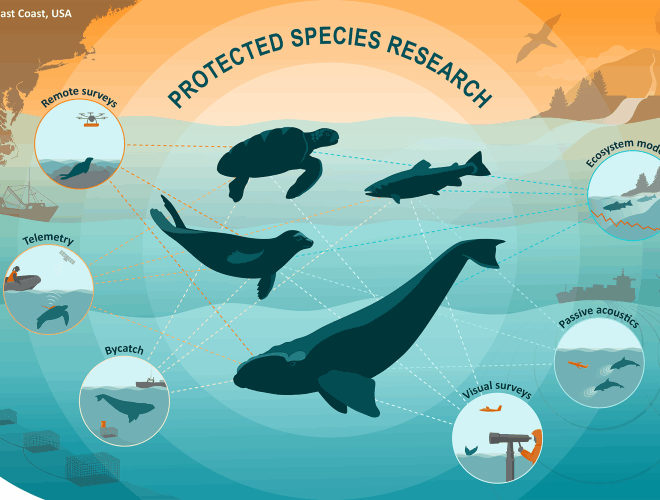
Administration Revises Endangered Species Act Regulations to Strengthen Certainty, Reduce Burdens and Uphold Law
By noaa.gov, noaa.gov. NOAA’s National Marine Fisheries Service and the Department of the Interior’s U.S. Fish and Wildlife Service today announced four proposed rules to restore Endangered Species Act regulations to their proven 2019 and 2020 framework. The proposals, two of which were issued in coordination with NOAA Fisheries would… SEE MORE
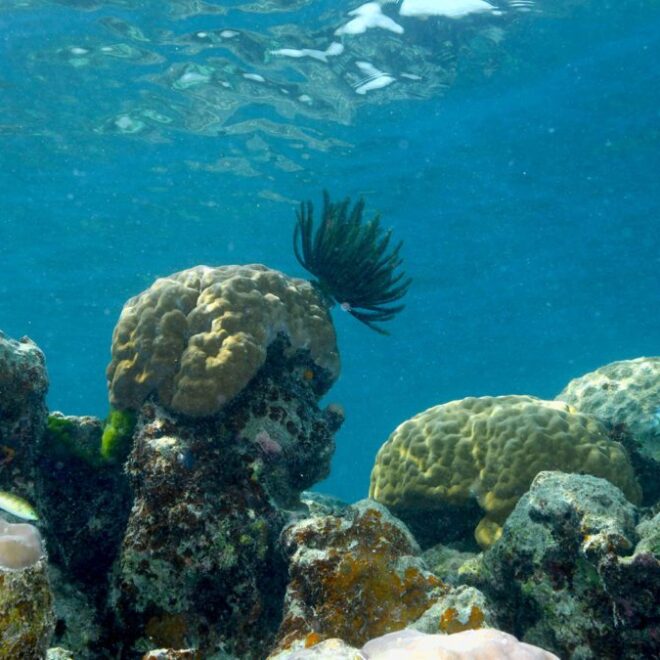
Palau’s Rock Islands Harbor Heat-resistant Corals
By Woods Hole Oceanographic Institution, whoi.edu. Heat-Resistant Corals Discovered in Palau's Rock Islands As marine heatwaves increasingly threaten coral reefs worldwide, new research from Palau offers promising insights for harbor and coastal communities that depend on healthy reef ecosystems for shoreline protection, fisheries, and maritime navigation safety. The discovery of… SEE MORE
Atlantic Bluefin Tuna General Category Fishery Closes Through November 30
By fisheries.noaa.gov., Published in fisheries.noaa.gov. The commercial Atlantic bluefin tuna fishery has been temporarily suspended through the end of November, affecting fishing operations at harbors along the Eastern Seaboard from North Carolina to Maine. This closure represents another quota management action in what has proven to be a challenging year… SEE MORE
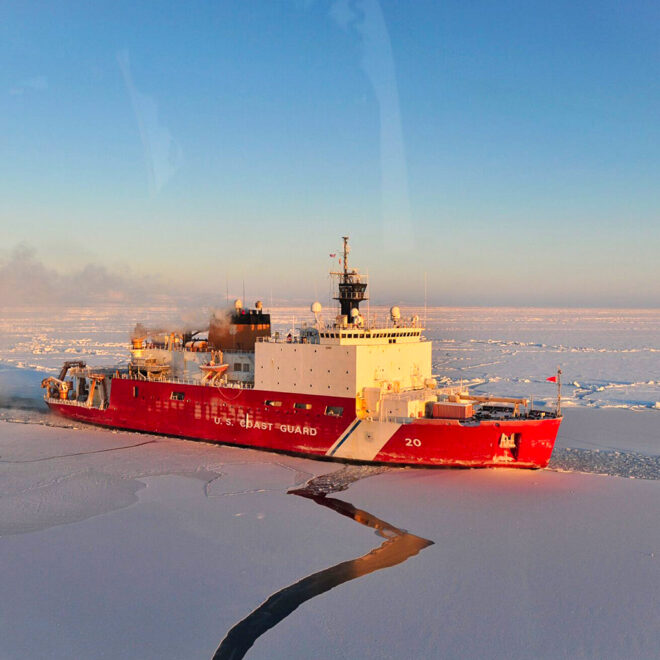
Coast Guard Icebreaker Healy Returns to Seattle After Arctic Patrol
By news.uscg.mil, Published in news.uscg.mil. The U.S. Coast Guard Cutter Healy's return to its Seattle home port marks the completion of another critical Arctic deployment that underscores America's strategic presence in increasingly contested northern waters. As international activity intensifies in Arctic regions—including heightened foreign research vessel operations—the Coast Guard's icebreaking… SEE MORE
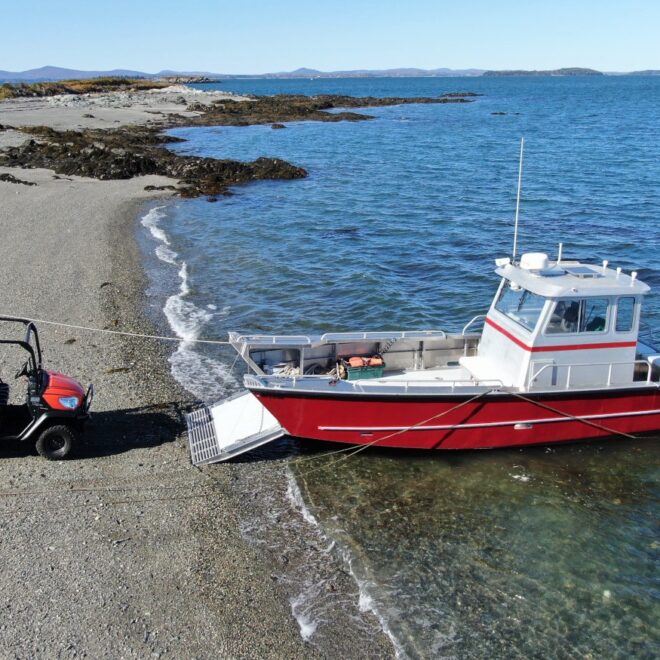
Lyman-Morse Fabrication Rebrands as Lyman-Morse Workboats
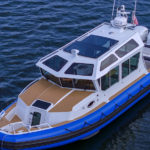
By US Harbors For nearly fifty years, Lyman-Morse has been known for its finely crafted custom yachts. But behind the scenes, another side of the company has been quietly expanding its reach: the fabrication division, which has been building aluminum workboats for many years for clients across commercial, research, and municipal… SEE MORE
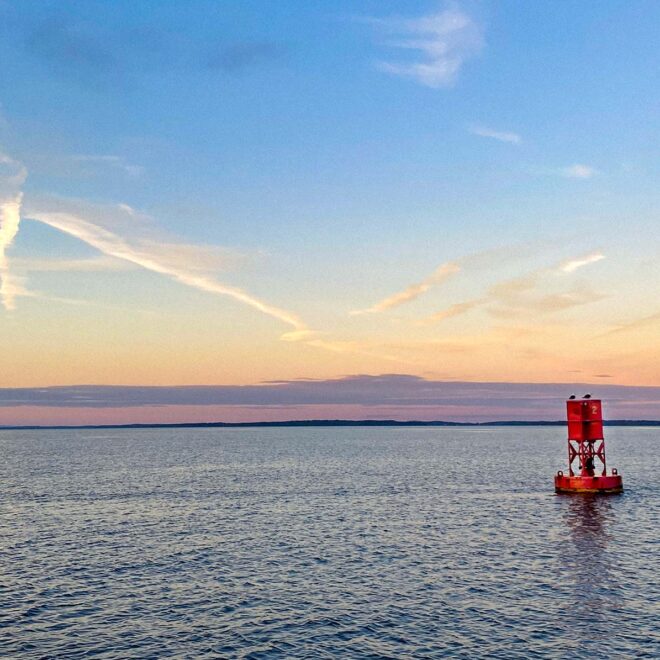
Coast Guard Halts Buoy Removal Plan Following Public Outcry
Update: Coast Guard Halts Buoy Removal Plan Following Public Outcry On October 21, 2025, the U.S. Coast Guard’s Northeast District announced that it is suspending all changes related to the Coastal Buoy Modernization Proposal (CBMP). This decision follows months of widespread concern, thousands of public comments, and growing media attention—including… SEE MORE
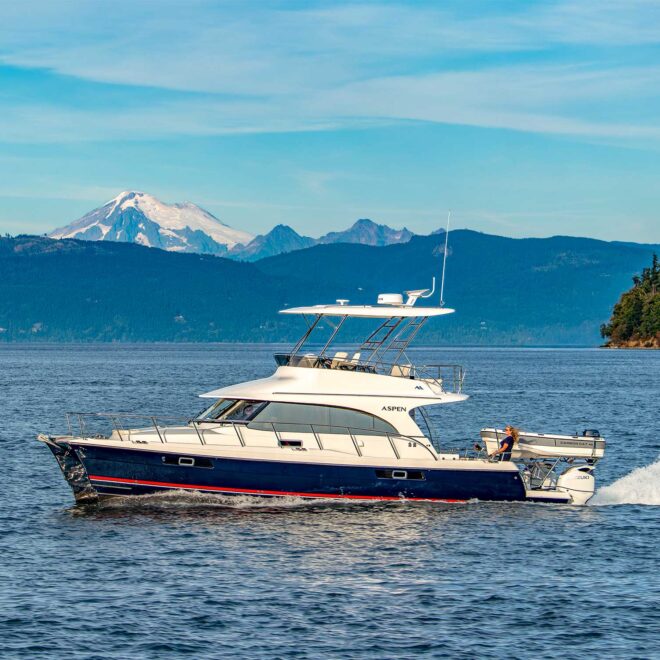
Twin Suzuki 300s Bring Big-Boat Power to the Aspen C128
Outboard power is more popular than ever, and Suzuki has options for a wide range of boats including larger cruisers like the Aspen C128 By Capt. Arnie Hammerman for US Harbors Outboard engines have come a long way from their humble beginnings. Today’s models are quieter, more fuel-efficient, and more… SEE MORE