Search for More Stories:
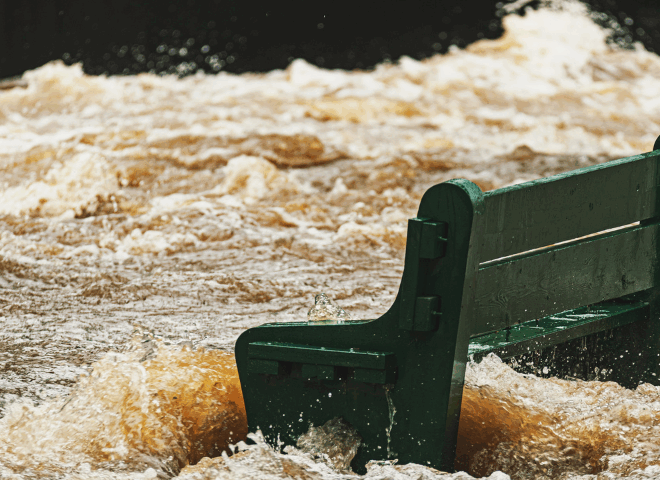
Assessing the U.S. Temperature and Precipitation Analysis in July 2025
By ncei.noaa.gov. Record overnight warmth dominated the eastern U.S. in July and multiple regions across the country were impacted by flash flooding Key Point: Warm overnight minimum temperatures set July records, impacting more than 55 million people across the eastern states. In July, 1,434 flash flood warnings—the second-highest July total… SEE MORE
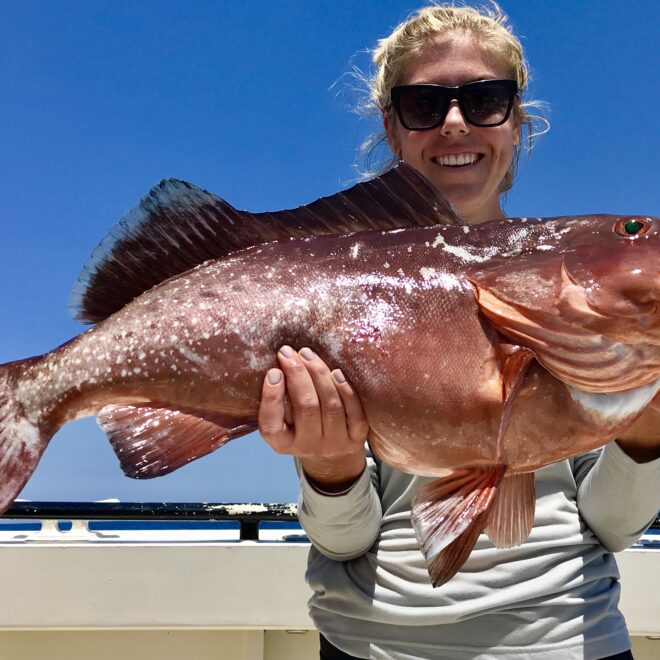
Emergency Rule Increases Red Grouper Opportunities for Commercial and Recreational Fishermen
By fisheries.noaa.gov. NOAA Fisheries is implementing an emergency rule that will increase the Gulf of America red grouper catch limits and extend the recreational fishing season based on updated stock status information. Red grouper is an important species for Gulf of America fishing communities. This action boosts red grouper harvest opportunities for commercial and… SEE MORE
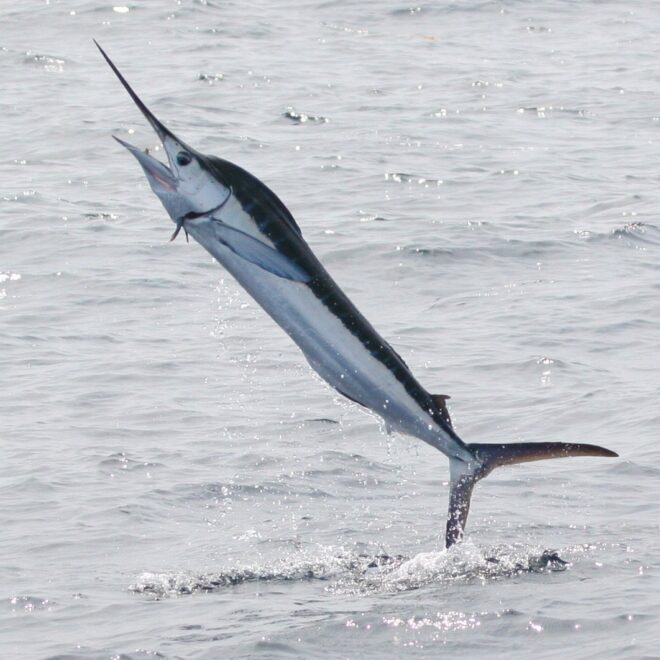
39 White Marlin in A Day!
By Nick Carter. Lights Out Wins Oak Bluffs Bluewater Classic with epic run on 47 white marlin. The Lights Out New England Angling Club put up incredible numbers of white marlin during the mid-July Oak Bluffs Bluewater Classic (OBBC) out of Martha’s Vineyard. With 47 releases over the two-day tournament, Lights Out… SEE MORE
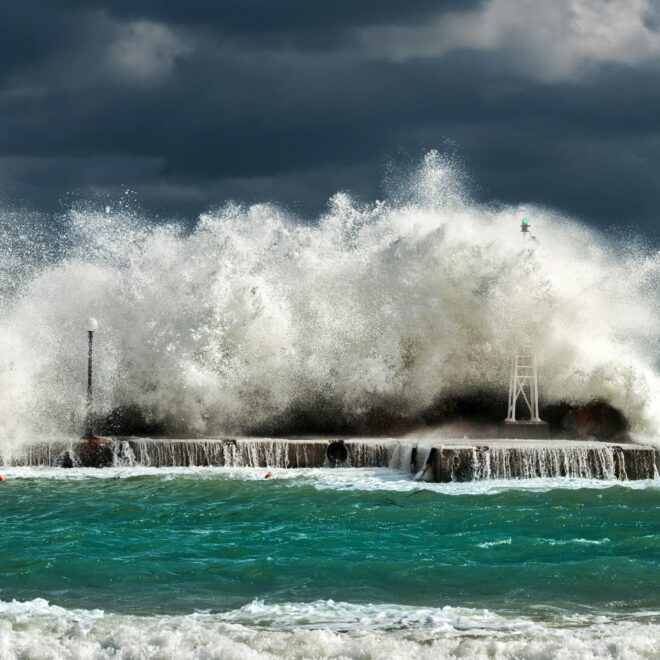
Mapping the Waters of Valdez, Alaska for Tsunami and Landslide Preparedness
By oceanservice.noaa.gov. A new partnership between NOAA and the City of Valdez, Alaska will help emergency managers prepare for future earthquakes, tsunamis, and underwater landslides. This partnership will support mapping 34 square nautical miles of the Port of Valdez — an important gateway to interior Alaska. A devastating earthquake in 1964 caused… SEE MORE
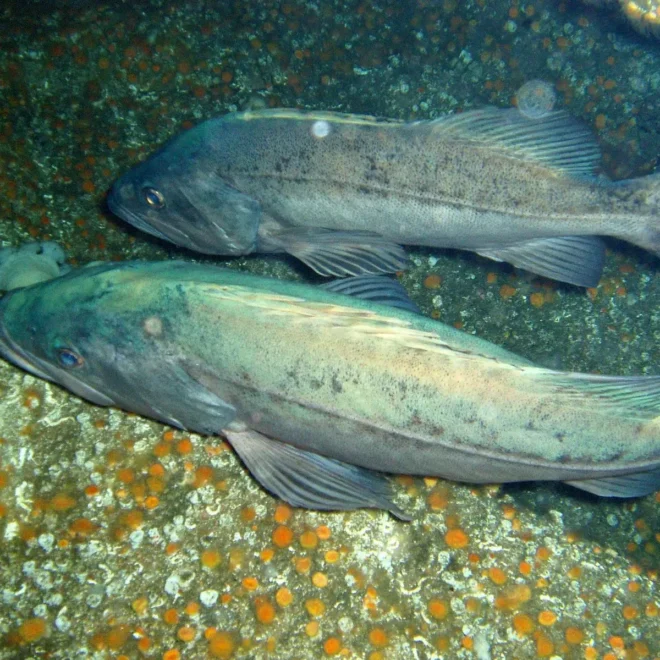
The Gentle Wisdom of Pacific Rockfish: A Story of Natural Adaptation
By US Harbors. Discovering how one of the ocean's most patient survivors navigates changing waters—and what it teaches West Coast anglers. Something beautiful is unfolding beneath Pacific waters. As ocean conditions gently shift and change, black rockfish have revealed a survival approach that speaks to nature's quiet wisdom: they're thoughtfully… SEE MORE
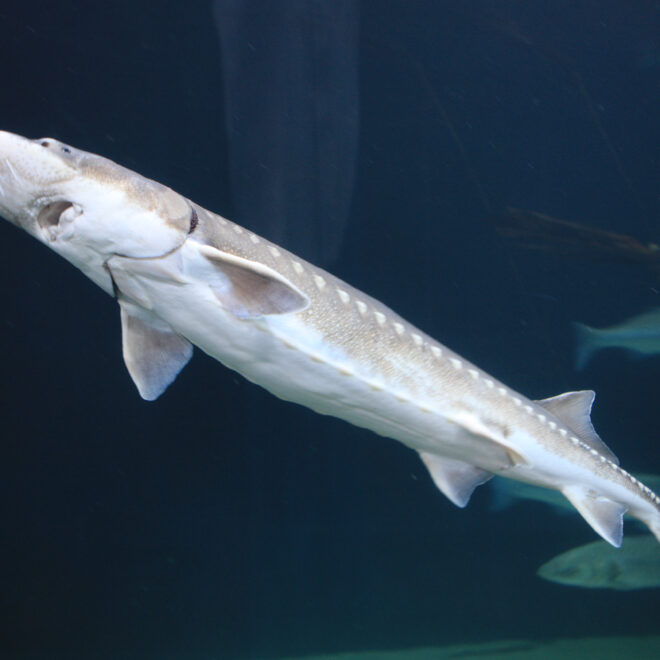
Fishing for Giant Freshwater Game Fish
By sportfishingmag.com. Where and how to fish for the planet's biggest, meanest freshwater species. There are big fish, and then there are giant fish. A 10-pound largemouth is a big fish. It might be a truly impressive specimen from the local reservoir. But that’s not what we’re talking about. We’re… SEE MORE
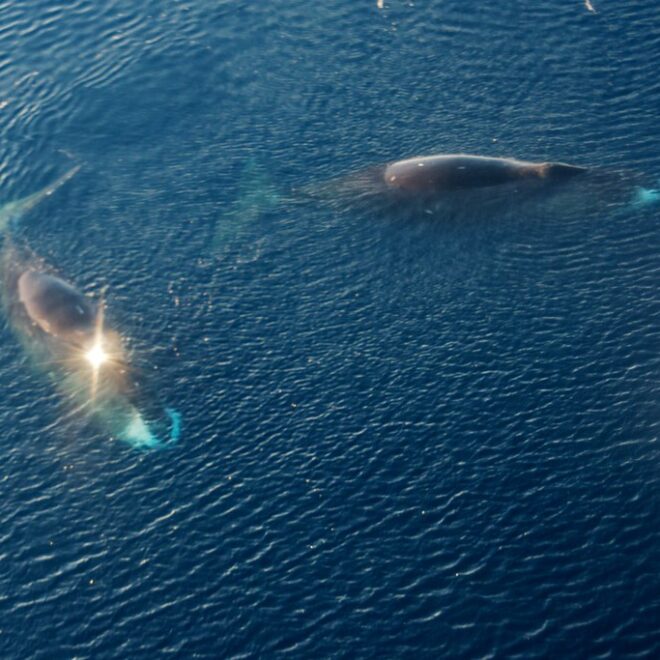
First Bowhead Whale Sighting in Southeast Alaska
By fisheries.noaa.gov. A new scientific paper discusses the first NOAA Fisheries record of a bowhead whale in Southeast Alaska. It is only the second documented sighting of this Arctic species in the eastern North Pacific, south of the Aleutian Islands. The whale was observed by a team of scientists working in Sitka… SEE MORE
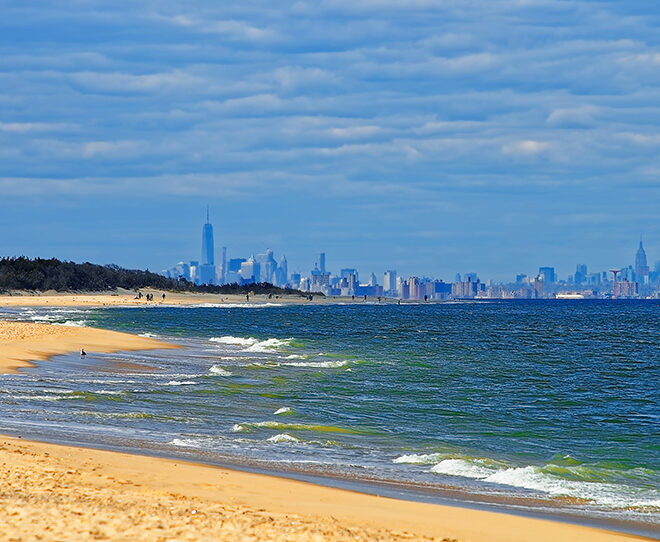
15 Tips for Planning Your Best Day at the Beach
By noaa.gov. Days spent at the beach create a lifetime of memories: building sand castles, swimming, boating, or even just listening to the waves crash while reading a great book. At NOAA, we tend to take things an extra step further when we go to the beach. Whether it’s tracking… SEE MORE
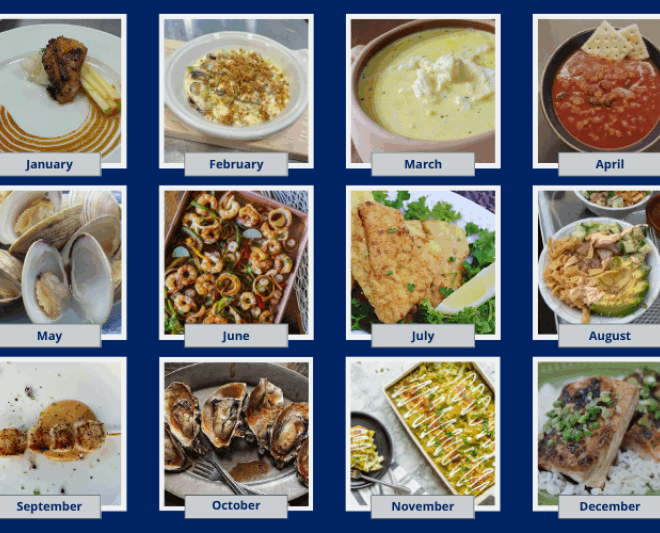
What Your Birth Month Says About Your Next Seafood Recipe
By fisheries.noaa.gov. Celebrate National Culinary Arts Month by finding a new sustainable seafood recipe based on your birth month. July is Culinary Arts Month, and we’re serving up something special to celebrate: seafood recipes matched to the traits of your birth month! From January trailblazers, to July optimists, to December… SEE MORE
Celebrating Habitat Month
By fisheries.noaa.gov. Join us in celebrating Habitat Month 2025! Learn about how NOAA Fisheries' Office of Habitat Conservation is working to restore habitat to support fisheries, protected species, and coastal communities. July is Habitat Month at NOAA Fisheries! All month long, we’ll be sharing how we protect and restore habitat to sustain… SEE MORE
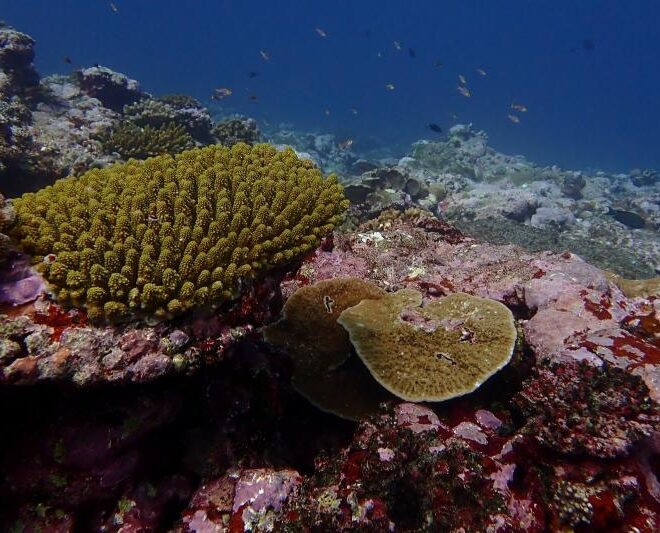
NOAA Fisheries Designates Critical Habitat for Five Corals in U.S. Waters in the Pacific Islands
By fisheries.noaa.gov. Designating critical habitat for threatened Pacific Islands corals will help us protect them for generations to come. If you had to describe corals in one word, what would it be? Maybe “colorful,” “amazing,” or “vibrant” come to mind? One word that definitely suits them is “powerhouse.” Corals do… SEE MORE
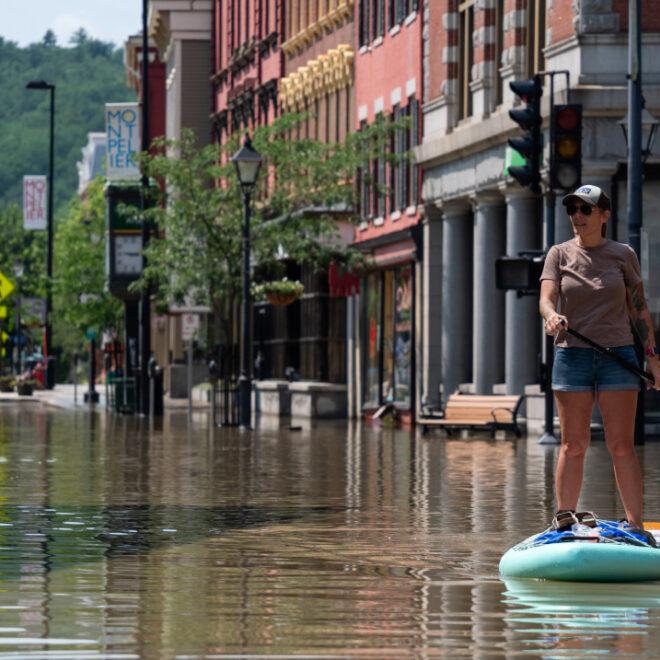
Things you can do to be Better Prepared for Major Flooding
By Caleigh Wells. Catastrophic floods can be difficult to prepare for. Sometimes evacuation is the right call, but if it’s too late the best bet is to find higher ground nearby. The stakes can be high, because a flash flood may give those in its path only minutes or seconds to react.… SEE MORE