Master the Art of West Coast Bass Fishing
Posted Updated
By US Harbors.
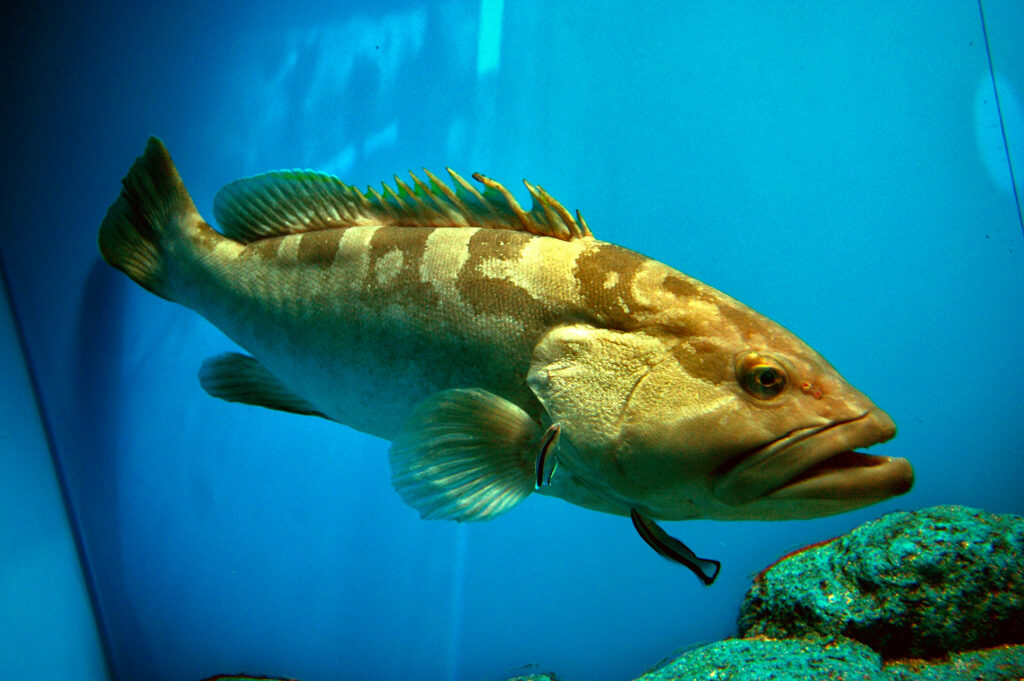
The golden kelp forests stretching along California’s coast harbor one of the Pacific’s most sought-after gamefish: the California calico bass. These checkerboard-patterned fighters, officially known as kelp bass, offer anglers an exciting challenge that combines technical skill with the raw thrill of pulling hard-fighting fish from dense underwater jungles.
Understanding where and how to target calicos in kelp can transform your fishing success from occasional lucky catches to consistent trophy opportunities. Here’s your complete guide to mastering this iconic Southern California fishery.
Understanding Calico Bass Behavior in Kelp
Calico bass didn’t earn their official name “kelp bass” by accident. These ambush predators use the amber kelp fronds as perfect camouflage, blending their distinctive checkerboard patterns with the swaying underwater vegetation while waiting to strike unsuspecting baitfish.
Key Behavioral Insights:
- Calicos position themselves just inside kelp beds, adjacent to open water where baitfish travel
- They always face into the current to maintain position while hunting
- Only 10-15% of any given kelp bed typically holds feeding fish at any time
- Moving water is essential – no current usually means no bites
The most productive areas consistently occur on the up-current edge of kelp beds. According to Erik Landesfeind in Sport Fishing Magazine, “feeding bass post up on the outside up-current edge of the bed” (California’s Kelp Bed Calico Bass, July 2025) where they can ambush prey most effectively.
Reading Kelp Beds Like a Pro
Not all kelp beds fish the same way. Understanding kelp structure and current flow will dramatically improve your success rate.
Heavy Kelp Beds: When kelp fronds are pushed completely below the surface by current, focus your efforts within the first 20 yards of the bed’s leading edge. This compression zone concentrates feeding activity.
Sparse Kelp Areas: Look for isolated kelp stringers and individual stalks where large bass often hold alone. These spots require precision casting but can yield trophy fish during slower bite periods.
Current Reading:
- Kelp stalks pointing straight up = little to no current (poor fishing)
- Kelp with an obvious lean = good current flow (prime conditions)
- Kelp bent completely horizontal = strong current (excellent for feeding activity)
Essential Tackle Setup
Rod Selection: A 7 to 7.5-foot medium-heavy graphite rod with a soft tip provides the perfect balance. The soft tip acts as a shock absorber during the strike, while the backbone gives you power to pull fish from heavy cover.
Reel Requirements: Low-profile baitcasting reels with high gear ratios (7:1 or higher) are essential for quick line retrieval. Popular choices include:
- Penn Fathom 300
- Shimano Tranx 300HG
- Daiwa Lexa 400
Line Strategy:
- Main line: 65-pound braided line for strength and sensitivity
- Leader: 2-3 feet of 50-60 pound fluorocarbon
- The braid cuts through kelp if fish wrap you up; fluorocarbon provides invisibility near the bait
Mastering Weedless Swimbait Techniques
Weedless swimbaits revolutionized calico bass fishing by allowing anglers to fish previously unreachable areas within dense kelp.
Optimal Rigging:
- 7-inch weedless swimbaits on 3/4-ounce weighted hooks
- Owner Weighted Beast TwistLock hooks or Lazer Trokar Weighted Magnum hooks
- Hook positioned just below the bait’s back for weedless presentation
Presentation Techniques:
Surface Burning: Cast into kelp openings and retrieve at a steady pace just below the surface. This aggressive approach triggers violent strikes and creates spectacular surface explosions.
Pitching to Structure: During slack current periods, flip baits into holes within the kelp and let them flutter down naturally parallel to kelp stalks. Bass often strike on instinct as the bait falls.
Edge Working: Fish the perimeter of kelp beds where structure meets open water. This classic technique produces consistent action when fish are actively feeding.
Advanced Strategies for Trophy Calicos
Color Selection: Match bait colors to local forage and conditions:
- Morning/overcast: Darker browns, oranges, reds
- Bright conditions: Silvers, blues, natural patterns
- Popular patterns: Halloween, Mackerel, Sardine colors
Hookset Technique: Unlike freshwater bass fishing, don’t set the hook immediately when a calico strikes a weedless bait. “Calicos normally attack a weedless swimbait from behind and inhale it tail first” and the weedless design can cause the bait to slide out of their mouth. Instead, keep reeling until the fish turns away, allowing the hook to set naturally.
Boat Positioning: Position your boat to drift with wind or current through the kelp bed. This allows you to cover fresh water continuously rather than fishing the same area repeatedly.
Live Bait Options
While artificials dominate modern calico fishing, live bait remains highly effective in specific situations.
Prime Baits:
- Live squid (the “candy bait” for calicos)
- Small anchovies and sardines
- “Brown baits” (perch, croaker, and similar bottom fish)
- Live mackerel for targeting larger specimens
Rigging: Use light sliding egg sinkers (1/4 to 1/2 ounce) with 3/0 to 5/0 hooks. Pin squid through the tail and cast to likely structure.
Seasonal Considerations
Summer Spawning Season: Calicos become more aggressive during spawning periods when water temperatures reach 68°F or higher. Look for fish with golden coloration along their gill plates.
Winter Patterns: Contrary to popular belief, surface techniques can be effective even in cooler water. Large calicos often move to deeper reefs (90-175 feet) but still respond to well-presented swimbaits.
Prime Fishing Locations
Top Kelp Bass Destinations:
- Santa Catalina Island (known for trophy potential)
- Palos Verdes Peninsula
- San Clemente Island
- Santa Barbara Island
- Newport Beach coastal kelp beds
Finding Structure: Look for commercial lobster trap buoys in deeper water – they mark productive reefs where calicos congregate during colder months.
Conservation Ethics
California calico bass are slow-growing fish that take five years to reach 12 inches and sexual maturity. The current regulation allows 5 bass per day with a 14-inch minimum size (combined with other bass species).
Practice selective harvest and consider catch-and-release for larger breeding fish. These trophy bass are the future of the fishery and contribute significantly to population sustainability.
Common Mistakes to Avoid
Time Wasters:
- Continuing to fish dead water after the bite shuts down
- Making casts too long when fishing perpendicular to current
- Setting hooks too aggressively on weedless baits
Tactical Errors:
- Fishing kelp beds without current flow
- Using tackle too light for the heavy cover environment
- Failing to move frequently to cover fresh water
Putting It All Together
Success in calico bass fishing comes from understanding that these fish are creatures of current and structure. Focus your efforts on the up-current edges of kelp beds during moving water periods, use appropriately heavy tackle, and don’t be afraid to fish tight to cover.
The key is reading the water, positioning your boat correctly, and making precise presentations to likely ambush points. When you connect with a quality calico in the kelp, the combination of spectacular strikes and hard-fighting fish will keep you coming back to California’s underwater forests season after season.
Remember that patience and persistence pay off in kelp bass fishing. Some days the fish are aggressive and cooperative; other days require grinding through multiple spots to find biters. But when everything comes together – the right current, the perfect kelp bed, and a well-presented bait – few fishing experiences can match the thrill of a big calico bass exploding from the amber kelp forest.