Alaska’s Aquaculture Challenges Highlight Infrastructure Needs for Remote Harbor Operations
Posted Updated
Alaska’s oyster farming challenges highlight critical infrastructure gaps in Southeast Alaska’s harbor facilities and maritime networks supporting remote aquaculture operations.
Alaska’s expanding oyster farming industry faces unique operational challenges that mirror broader issues affecting harbor facilities and maritime logistics in extreme northern environments. These constraints have significant implications for ports and harbors supporting the growing aquaculture sector throughout Southeast Alaska.
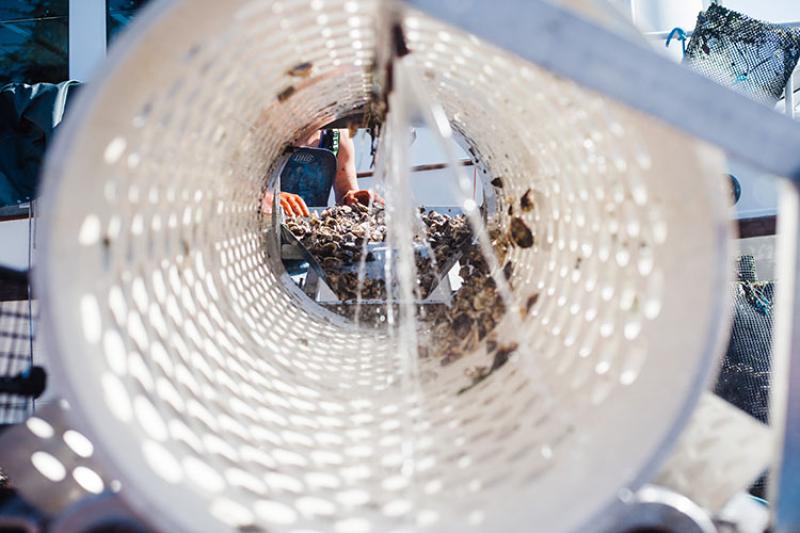
Still, farming oysters in Southeast Alaska isn’t easy. Because of the region’s high latitude, farms experience shorter growing seasons, giving oysters less time to feed and grow. While oysters in Washington might reach market size in 2 years, Alaskan oysters often take 3 years or more. Implementing modern farming techniques like intertidal tumble cages, and improved farm siting through the Aquaculture Opportunity Area identification process, have the potential to benefit oyster farmers in Alaska.
Salty Lady Seafood Company and other oyster farms in Alaska sometimes experience blooms of harmful algae called Alexandrium. These blooms can produce dangerous levels of paralytic shellfish toxins, which often force farms to shut down for long periods. That’s especially tough in a place where the growing season is already short. Warming ocean waters could make harmful algal blooms more intense and unpredictable. This increases the risk of toxic shellfish even during cooler seasons like spring and fall, when the ocean historically was too cold for these blooms to thrive. To support the shellfish industry and reduce the financial impact of farm closures, it’s important to invest in monitoring and management.
The extended production timelines and seasonal disruptions described here underscore the critical need for robust harbor infrastructure and reliable supply chain support systems in Alaska’s remote coastal communities where aquaculture operations depend heavily on maritime transportation networks.
Read the full Article here: Exploring the Upsides and Obstacles of Growing Pacific Oysters in Alaska’s Cold Waters.