New England Fishery Management: Backed by Science, Shaped by People
By fisheries.noaa.gov, fisheries.noaa.gov.
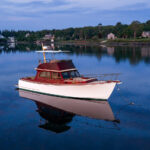
One of New England’s most iconic sights: Rain or shine, fishing boats slipping out of the harbor at dawn, just as they have for generations. The centuries-old scene feels timeless. But the industry behind it isn’t sustained by tradition alone; it endures because of science-based management.
At the center of that management are the public-private partnerships between fishermen, scientists, the New England Fishery Management Council, and NOAA Fisheries. Their cooperative efforts drove some of our nation’s earliest fisheries management successes. In 2001, the Atlantic sea scallop stock—once severely depleted—was the first in the United States declared rebuilt. It is now a key driver of New Bedford, Massachusetts’ 23-year run as the nation’s top port for fisheries catch value.
Then and Now: From Uncertainty to Shared Stewardship

Fishing has always been central to New England’s identity. But concern over declining stocks dates as far back as the 1800s. By the 1970s, the reality of that concern had become urgent. Nets were coming up lighter, once-reliable fishing grounds became unpredictable, and coastal communities were facing growing uncertainty. Rising demand, advanced harvesting technologies, and pressure from foreign fleets had depleted iconic fisheries such as Atlantic cod, pollock, and haddock.
The Magnuson-Stevens Act marked a turning point in how the United States manages ocean resources in New England and nationwide. It created a system rooted in science and shared responsibility. It guaranteed the people closest to the resource—local fishermen, scientists, conservationists, industry representatives, and state officials—would help manage it.
Today, the New England Fishery Management Council oversees nine fishery management plans covering 29 species, balancing the needs of interconnected fisheries, complex ecosystems, and coastal communities. These plans are designed to support sustainable, long-term harvesting, but reaching that point can require rebuilding efforts. Through a public process, Council members develop and vote on management measures that consider tradeoffs before sending recommendations to NOAA for approval and implementation.
Read the full article here: New England Fishery Management: Backed by Science, Shaped by People
Originally published on May 15, 2026.