More than a century after the era known as the Heroic Age of Antarctic Exploration ended, a new expedition is bringing its stories back into the spotlight — this time from the bottom of the North Atlantic.
“The bravery and leadership demonstrated by these two polar heroes have inspired generations of explorers over the years, and our hope is that by documenting their last ships with the latest technology we too can inspire the next generation of explorers worldwide,” said David Mearns, co-chief scientist and one of the world’s foremost shipwreck experts.
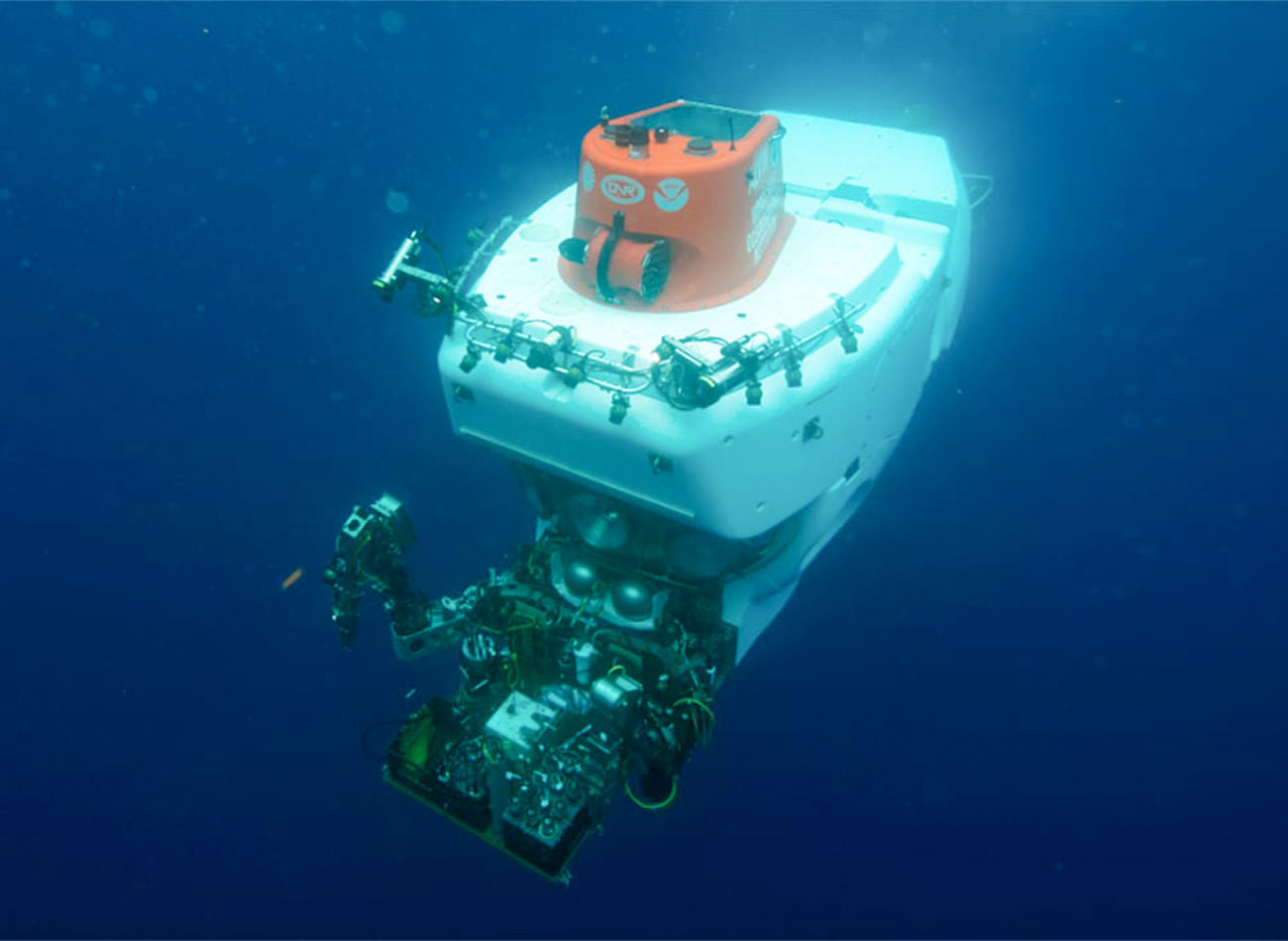
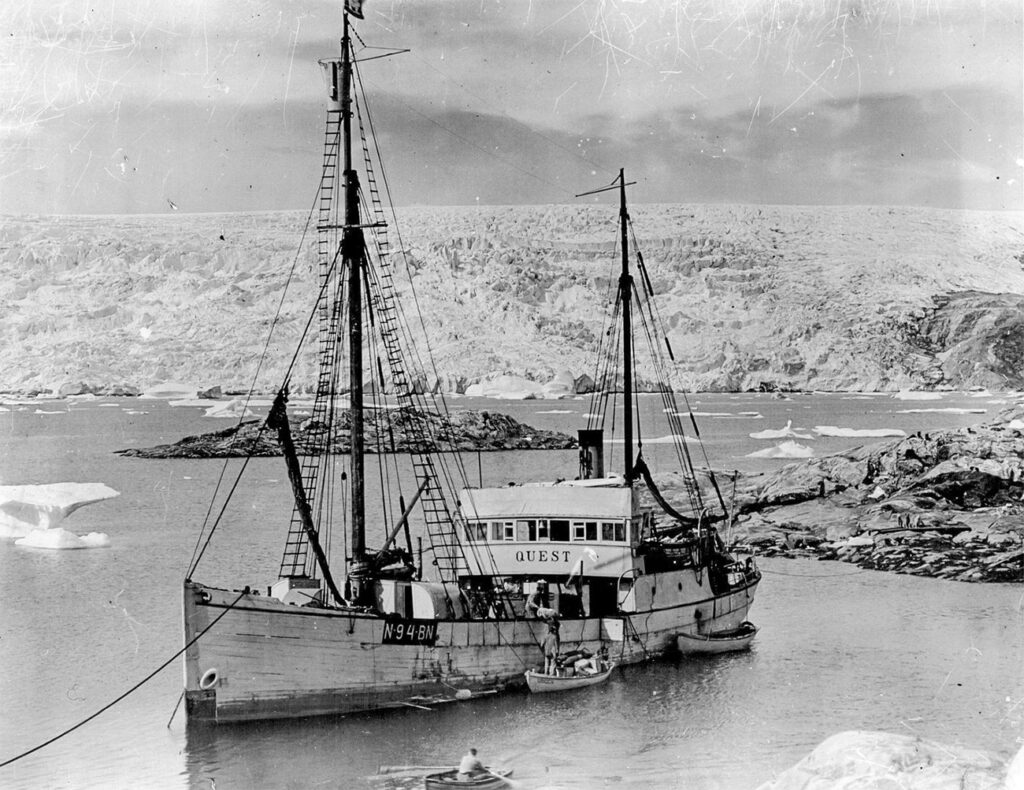
Both wrecks carry powerful historical weight. Quest — discovered only in 2024 — was the ship Shackleton died aboard in 1922 while anchored off South Georgia Island, marking the final chapter of his extraordinary career. Terra Nova, which sank in 1943 and was located in 2012, carried Scott and his crew on their ill-fated second Antarctic expedition. The team will use Alvin‘s ultra-high-resolution cameras and robotic vehicles to create precise 3D “digital twin” models of each wreck, preserving them for future generations. WHOI biologist Kirstin Meyer-Kaiser will also study how marine ecosystems have colonized the wrecks — turning known sinking dates into natural experiments in deep-sea ecology.