Search for More Stories:
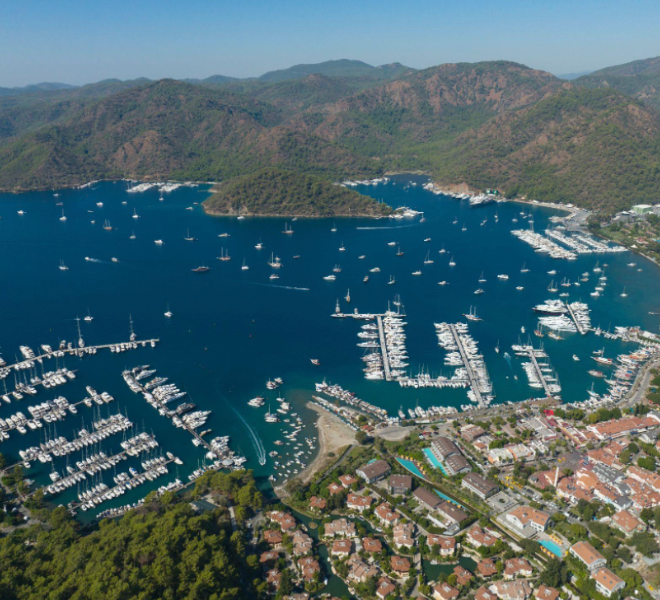
Charting Luxury: The Rise of High-End Yacht Charters in the Mediterranean
By US Harbors. As the sun dips below the horizon of the Mediterranean, it illuminates a world of luxury that sails upon its waters. Companies like MedGulets are at the forefront of this opulent sea voyage, offering unparalleled experiences aboard high-end yachts. Embarking on a luxury yacht charter through these historic and… SEE MORE
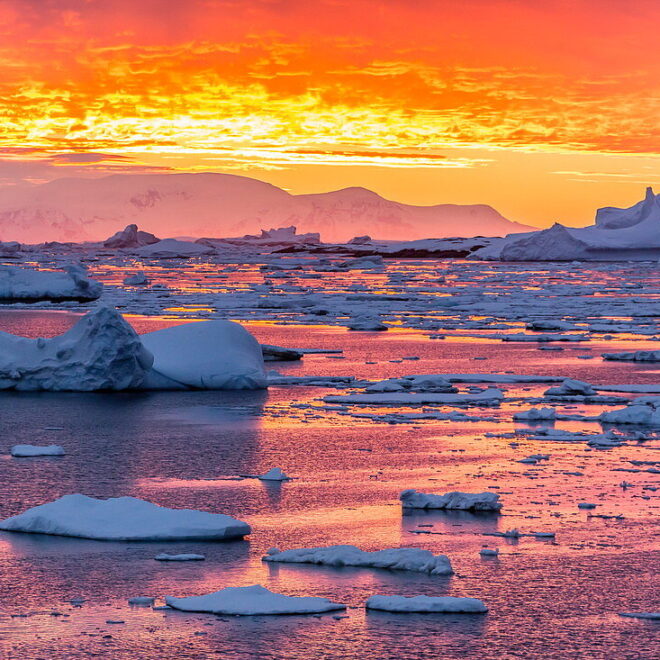
Why Is the Sea So Hot?
By Elizabeth Kolbert. In early 2023, climate scientists—and anyone else paying attention to the data—started to notice something strange. At the beginning of March, sea-surface temperatures began to rise. By April, they’d set a new record: the average temperature at the surface of the world’s oceans, excluding those at the… SEE MORE
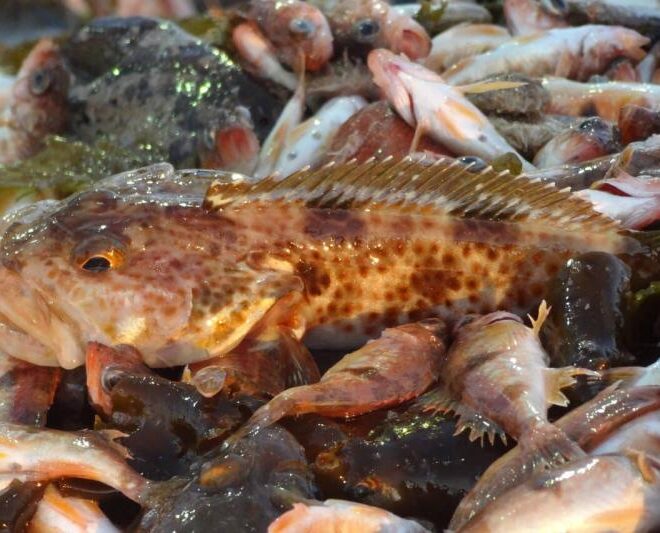
Climate Change Affects Different U.S. West Coast Fishing Fleets Unequally
By fisheries.noaa.gov. Climate change is hitting fishermen hard. But it's not hitting all those who depend on the sea for their livelihood the same way. A new NOAA Fisheries study examined how climate change might affect commercial fishing fleets on the U.S. West Coast. The findings were published recently in the journal PLoS… SEE MORE
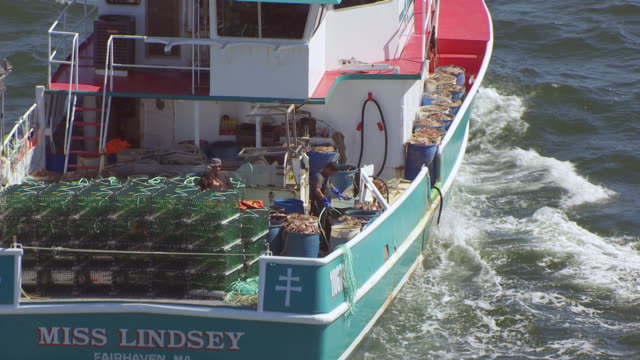
Massachusetts Shuts Down Many South Coast Shellfish Beds Due to Sewage
By Adam Goldstein. The Massachusetts Division of Marine Fisheries is immediately shutting down thousands of acres of shellfish beds surrounding the New Bedford and Fairhaven wastewater treatment plant outfalls to comply with federal health and safety standards. More than 18,000 acres of the Dartmouth, Fairhaven and New Bedford coastline, including… SEE MORE
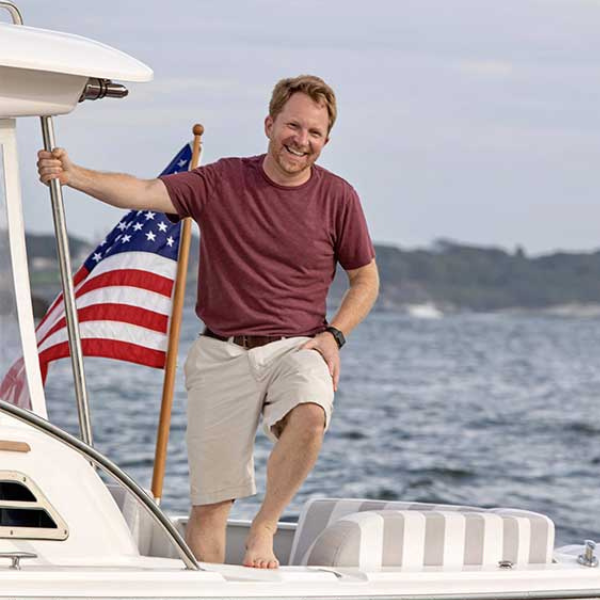
US Harbors Has a New Owner!
USHarbors Acquired by Co-Founder Jamie Bloomquist Camden, Maine | March 19, 2024 - USHarbors.com, the leading online resource for tides, weather, and coastal data, announces that co-founder Jamie Bloomquist has acquired full ownership of the company. With this acquisition, Bloomquist plans to expand the platform's reach and services, further solidifying… SEE MORE
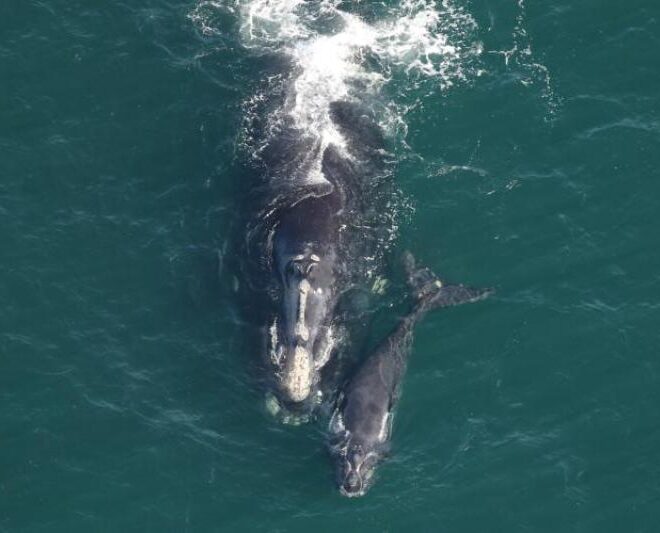
Whales and Carbon Sequestration: Can Whales Store Carbon?
By fisheries.noaa.gov. The ocean captures about 31 percent of all carbon dioxide emissions, removing carbon from the atmosphere that would otherwise continue to trap heat and increase temperatures. Blue carbon, or carbon captured by ocean ecosystems includes: Carbon absorbed by aquatic plants, algae, and phytoplankton Carbon stored in the bodies of living animals… SEE MORE
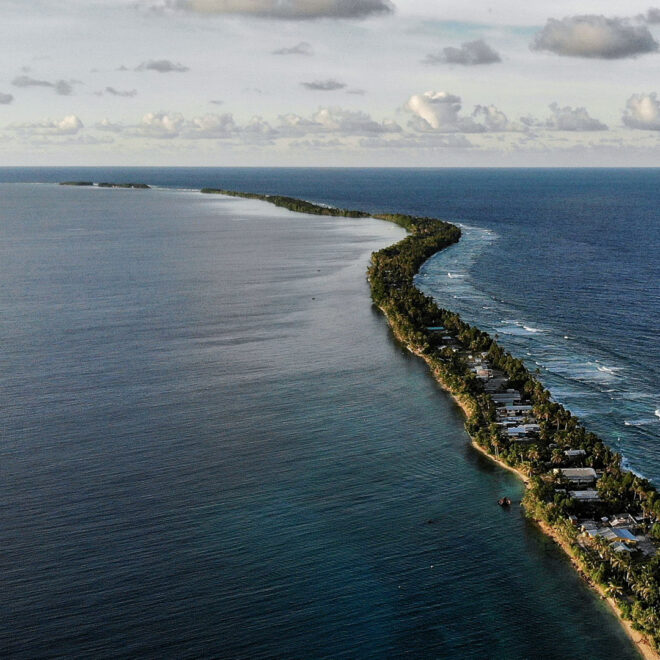
Rising Sea Levels Increase Threat Of Arsenic In Drinking Water
By Kendra Pierre-Louis. (Bloomberg) —Rising seas due to climate change could exacerbate the threat of arsenic in drinking water, according to a study published in PLOS ONE in January. Researchers focused on arsenic in well water in Bangladesh, where up to 97% of the population relies on such water for drinking. Arsenic occurs naturally… SEE MORE
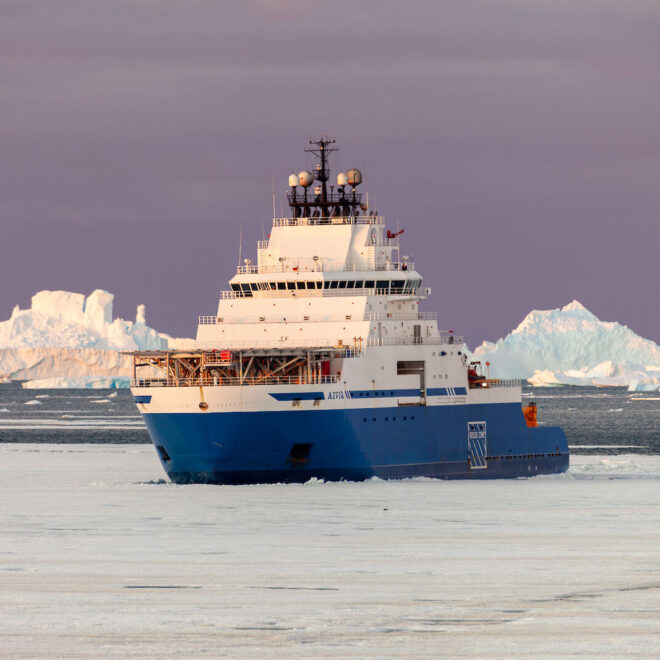
U.S. Coast Guard Looking to Acquire Commercial Icebreaker ‘Aiviq’
By Malte Humpert. U.S. Coast Guard notice reveals the service is seeking to acquire the icebreaker Aiviq from a unit of Edison Chouest Offshore to help plug icebreaking capability gaps In a new public notice, the U.S. Coast Guard disclosed it intends to solicit a firm-fixed-price contract from Offshore Service… SEE MORE
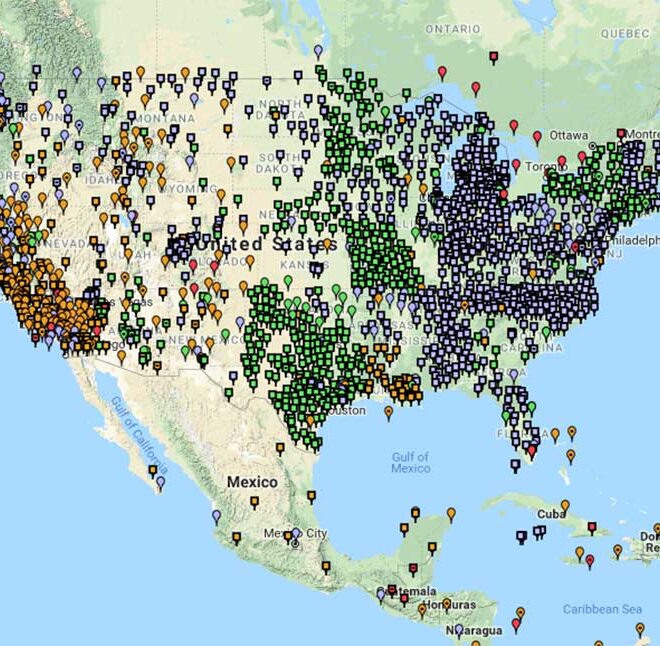
NOAA Scientists are Revolutionizing How Heights & Elevations are Measured
By oceanservice.noaa.gov. Suppose you are buying a new home that is located near a river that routinely floods. During the buying process, you learn that you are required to have flood insurance. A step in the process of obtaining this insurance is to get a certified elevation of your new… SEE MORE
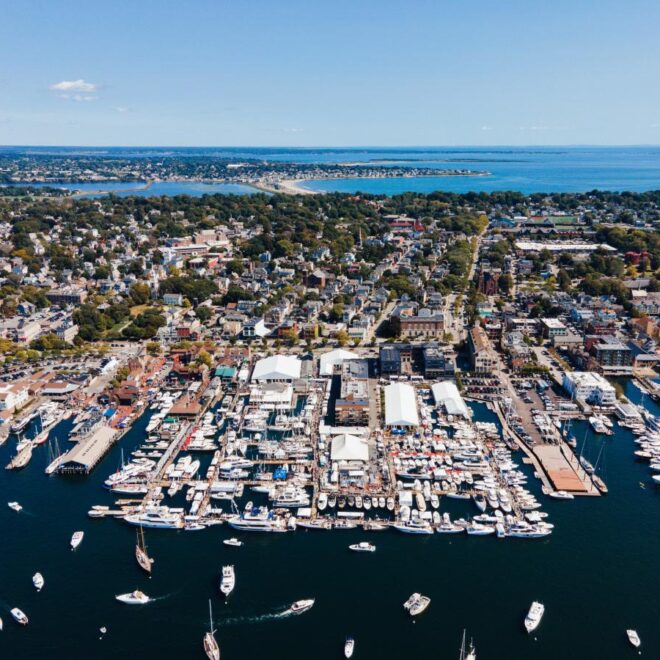
South Florida Ventures Acquires Newport International Boat Show
By marinadockage.com. The Newport Restaurant Group (NRG) owner and producer of the annual Newport International Boat Show (NIBS) has been acquired by South Florida Ventures to expand and deliver enhanced value to participating marine industry businesses and a seamless experience for attendees. With a 53-year heritage deeply rooted in the Newport community, the Newport International Boat… SEE MORE
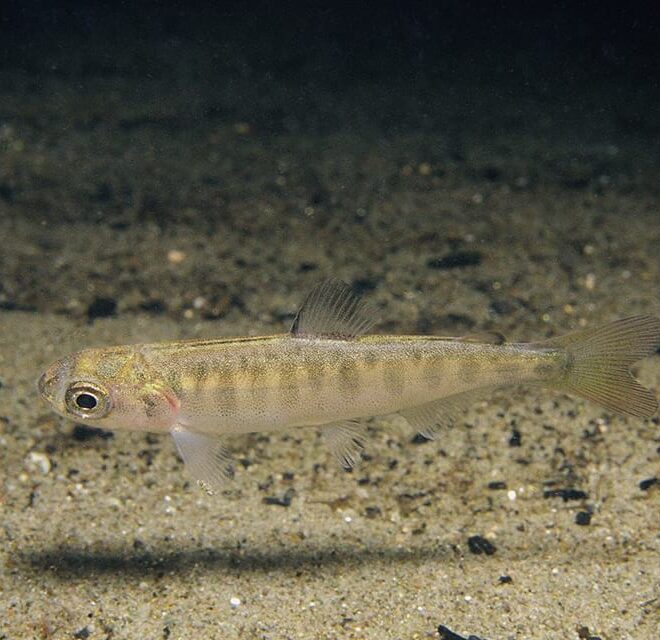
Portland, OR Settlement Benefits Salmon, Coastal Habitats, & the Public
By oceanservice.noaa.gov. On November 1, the U.S. Department of Justice announced a proposed settlement of approximately $33 million to compensate the public for decades of hazardous substance releases and oil discharges into Oregon's Portland Harbor and Willamette River. The proposed settlement addresses the liability of over 20 responsible parties for… SEE MORE
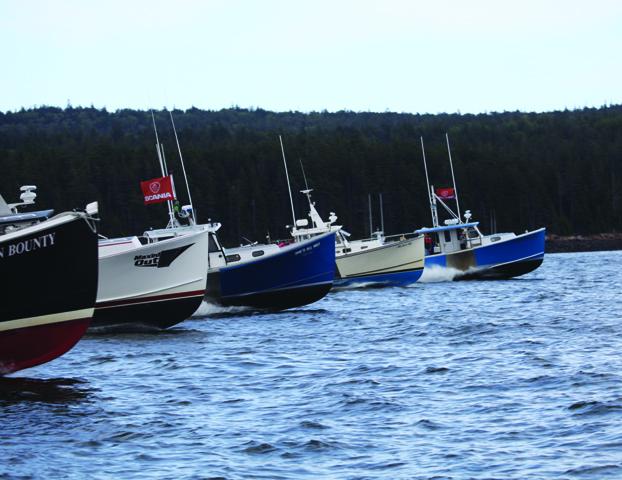
Maine Lobster Boat Races 2024 schedule
By Carli Stewart. Get ready to kick your engine into high gear this summer! People from all around the state follow The Maine Lobster Boat Race Association up and down the coast. These races always draw a crowd, and the captains prove to grow bigger and bigger raft-ups every year.… SEE MORE