Search for More Stories:
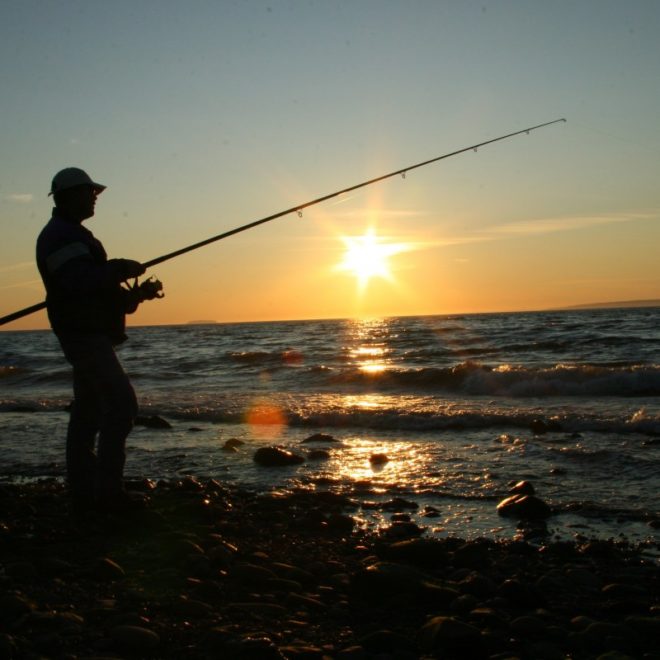
Fishing 101: Why You Should Fish with the Tides
Fishing with the tides isn’t a new technique. Tides have always been vitally important with fishing. Adding a kayak to the mix gives anglers the chance to be in places others can’t because of shallow water. The worst-case scenario in kayak fishing with the tides is you get beached in… SEE MORE
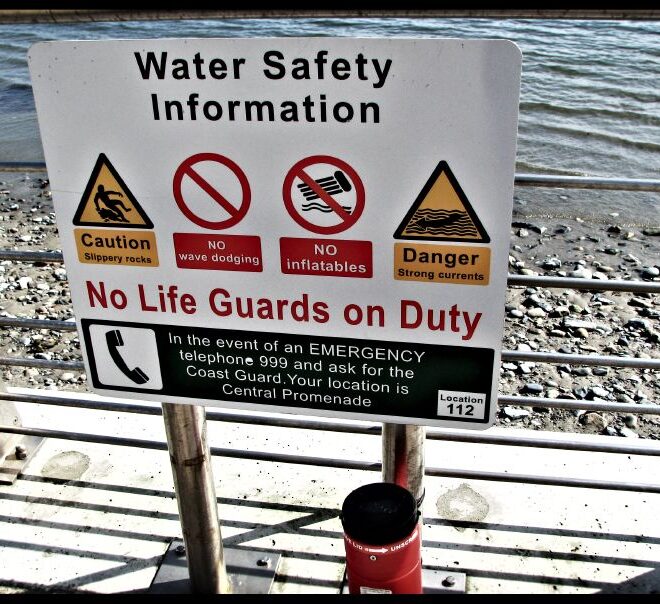
Boating and Water Safety 101
A few simple safety precautions can make all the difference on the water. In addition to checking the tides and weather you'll encounter, read our tips below for a quick water safety refresh. Children and Inexperienced Swimmers Should Always Wear a Life Vest Be sure to choose a Coast Guard… SEE MORE
FWC Approves Proposed Redfish Rule Changes for State Waters
At its May meeting, the Florida Fish and Wildlife Conservation Commission (FWC) approved proposed management regions and regulation changes for redfish in state waters. The proposed rule changes would: Modify the redfish management regions. (See figure 1) Prohibit captain and crew from retaining a bag limit when on a for-hire… SEE MORE
NOAA Fisheries Invites Public Comment on Climate Regional Plans
Changing climate and oceans are affecting the nation’s valuable marine life and the people, businesses and communities that depend on them. From warming oceans and rising seas to droughts and ocean acidification, these impacts are expected to increase with continued changes in the planet’s climate system. NOAA has developed seven draft… SEE MORE
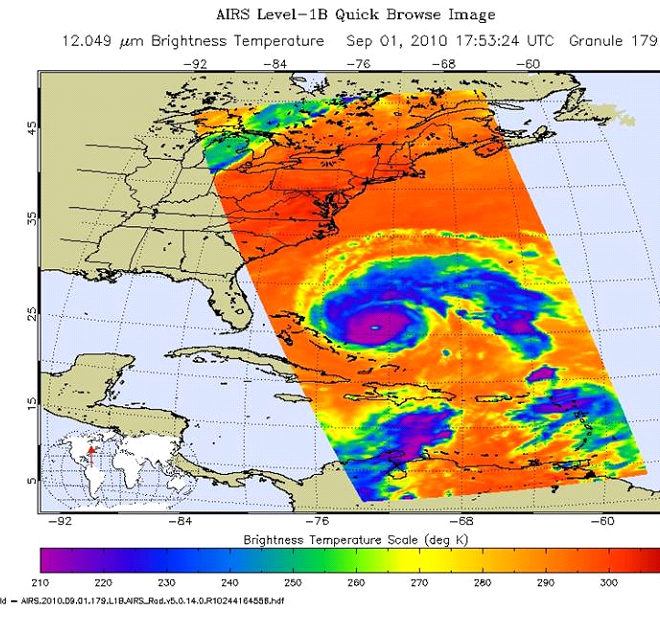
Tips for Being Prepared in Advance of a Hurricane or Tropical Storm
The best time to prepare for a hurricane is before hurricane season begins. It is vital to understand your home's vulnerability to storm surge, flooding, and wind. Here is your checklist of things to do in advance of hurricane season. Know your zone: Do you live near the Gulf or Atlantic… SEE MORE
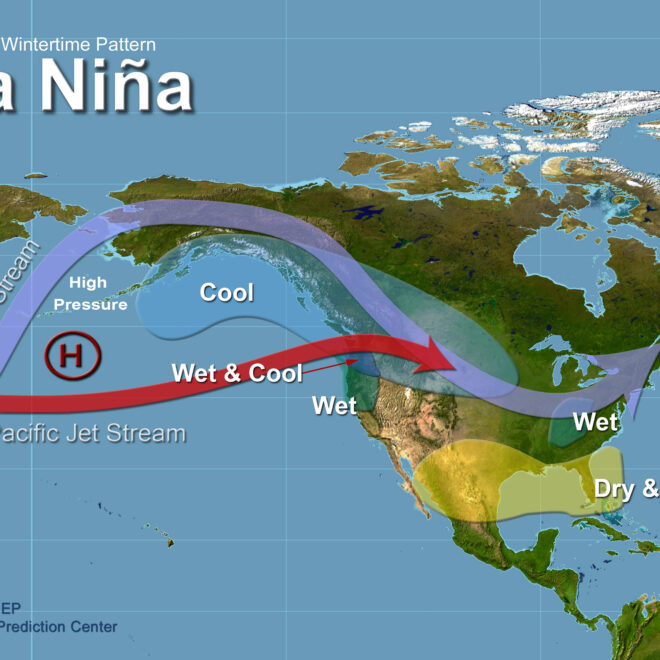
What La Niña Means for Your Summer
By Alix Martichoux. La Niña has been with us all year, and it’s not showing any sign of leaving soon. The climate pattern is favored to continue through the summer, according to an updated outlook released this week by the National Oceanic and Atmospheric Administration. There’s a 59% chance La Niña… SEE MORE
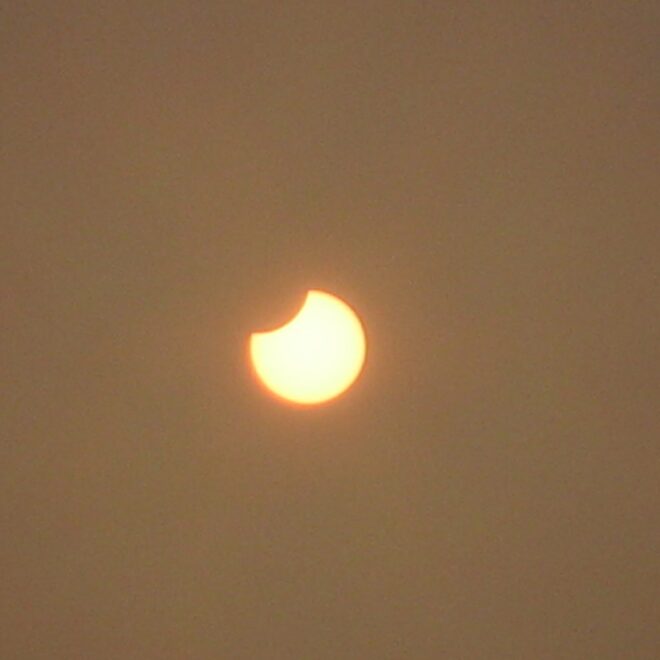
The First Solar Eclipse of the Year Will Happen This Weekend
By Madeline Buiano. From a pink moon to the Lyrid meteor shower, April has been filled with spectacular celestial events. Now we're adding one more to the mix and it's a big one. The first solar eclipse of 2022 will arrive this week Space.com reports. On April 30 the event will be visible over parts of Antartica,… SEE MORE

Tips to Help Your Harbor Win
Voting in the 4th annual "Best Harbor in the US" contest kicked off over a week ago and we want to help you get your harbor to the top of the list! Check out our hints below to get your community engaged. All of our previous "Best Harbor" winners grabbed… SEE MORE
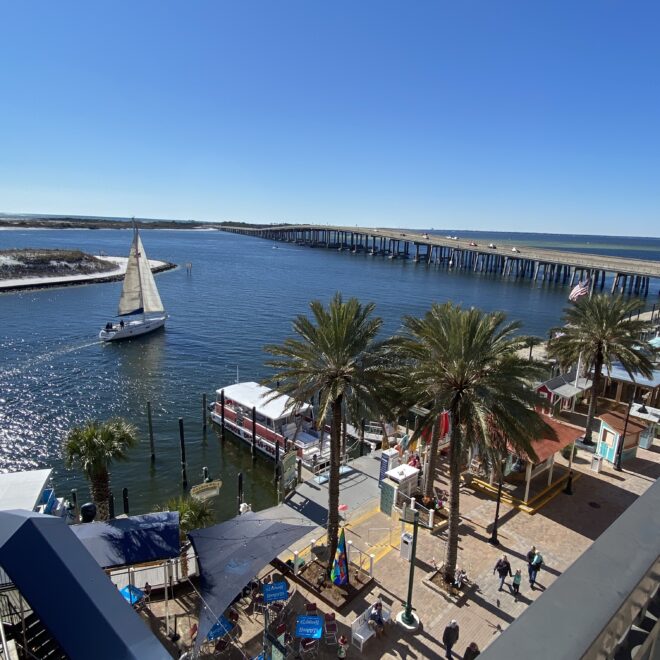
April 2022 - News from Our Coasts
NEWS & UPDATES FOR APRIL Updates from US Harbors Harbor News Updates from Our Partners Upcoming Events Updates from Our Coastal Community Photos of the Month We are one week into our search for the BEST HARBOR in the US! Each year millions of users around the country have a… SEE MORE
Millions Must Cut Water Use in Drought-stricken California
By Robert Jablon. Southern California’s gigantic water supplier took the unprecedented step Tuesday of requiring about 6 million people to cut their outdoor watering to one day a week as drought continues to plague the state. The board of the Metropolitan Water District of Southern California declared a water shortage… SEE MORE
Maryland Oyster Harvest Hits 35-year High
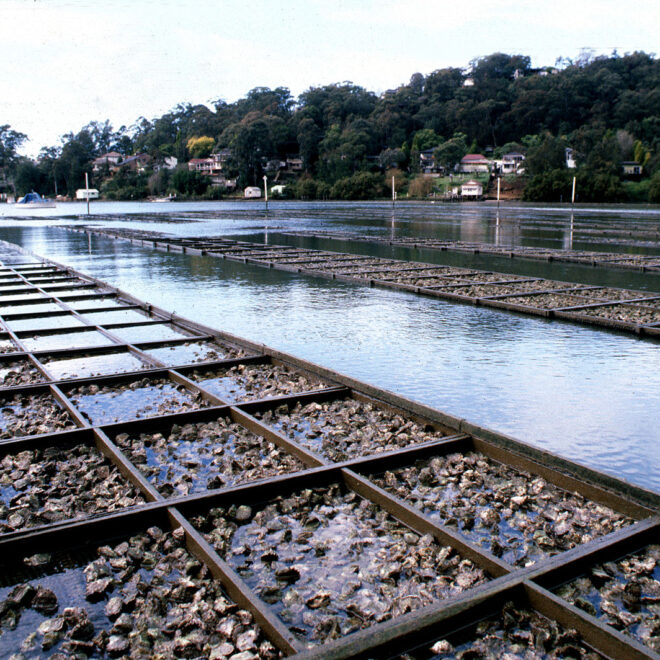
By Timothy B. Wheeler. Maryland waterman enjoyed the best wild oyster season last fall and winter that they’ve had in 35 years, according to preliminary state data, a possible sign the keystone Chesapeake Bay species finally may be recovering from the diseases that began ravaging them in the 1980s. About… SEE MORE
Europe Saw Warmest Summer on Record in 2021
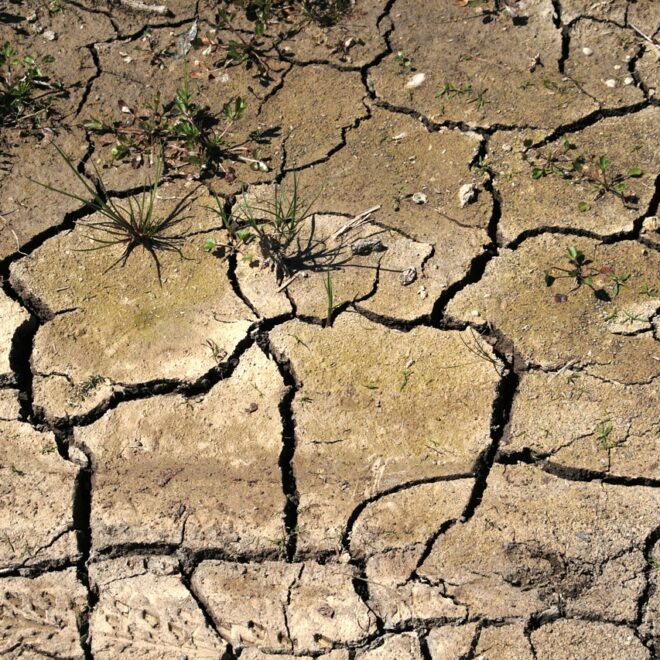
Scientists say last summer was the hottest summer on record in Europe, with temperatures a full 1 degree Celsius (1.8 degrees Fahrenheit) higher than the average for the previous three decades. A report released Friday by the European Union’s Copernicus Climate Change Service found that while spring 2021 was cooler… SEE MORE