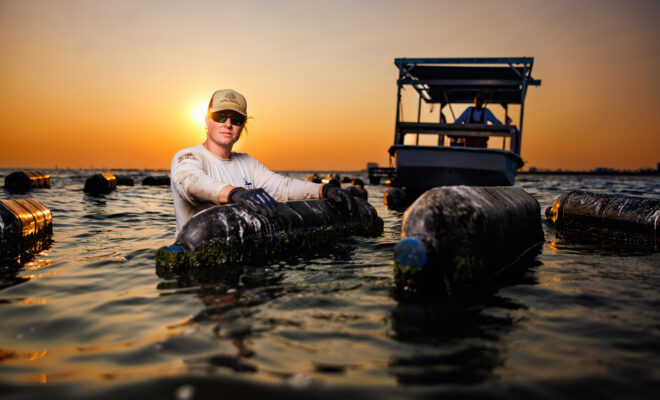
Thomas Piecuch flips floating oyster bags on his farm (Credit: Holy Ground Oyster Company).

Celebrating Aquaculture Week: Farming from Tide to Table

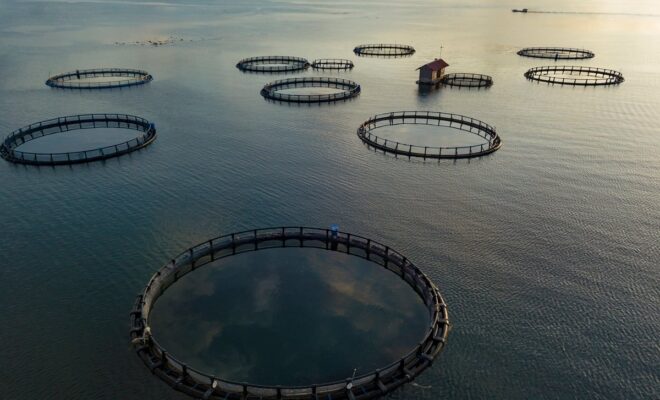
9/25/2025 - By fisheries.noaa.gov. Aquaculture Week 2025 offers a chance to learn how marine aquaculture—or farmed seafood—is vital for supporting our nation’s seafood production and jobs on the water, enhancing coastal resilience, and more. National Aquaculture Week celebrates increasing access to fresh seafood while protecting coastal resources. Seafood farming, if done responsibly… SEE MORE
Image Credits: Noaa.gov.

Aquaculture Opportunity Areas bolster America-first seafood production

9/19/2025 - By noaa.gov. Areas identified in Gulf of America and off California coast will drive American jobs, sustainable seafood farming. As part of NOAA’s commitment to prioritizing American seafood competitiveness, the agency has identified 13 Aquaculture Opportunity Areas totaling more than 21,000 acres in U.S. federal waters of the Gulf of America and… SEE MORE
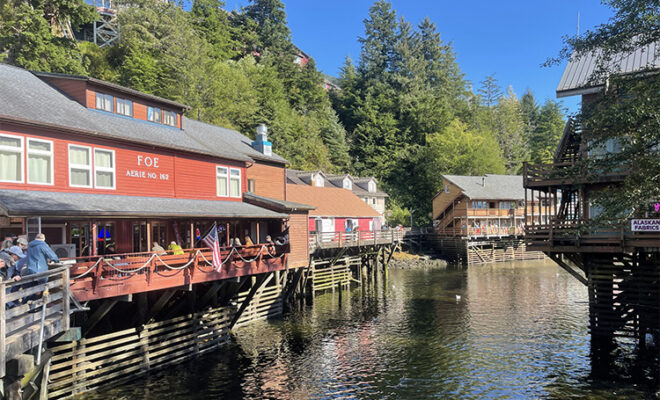
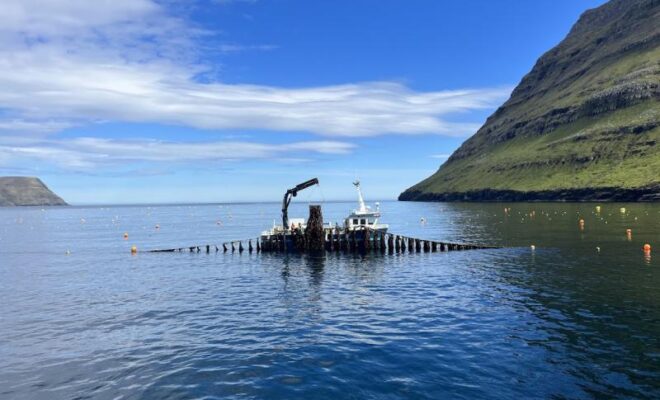
The annual Seagriculture, USA Conference took place in Ketchikan, Alaska.

Connecting Aquaculture Enthusiasts from Across the World

11/16/2024 - By fisheries.noaa.gov. Ketchikan, Alaska hosts the third annual Seagriculture, USA International Seaweed Conference. Members of the NOAA Fisheries Alaska Region Aquaculture team attended the international seaweed growing conference Seagriculture, USA Sept.11-12 in Ketchikan, Alaska. The 2024 conference marks the event’s debut in Alaska, an exciting distinction for the growing Alaska aquaculture industry. Participants… SEE MORE
Image Credits: Fisheries.noaa.gov.

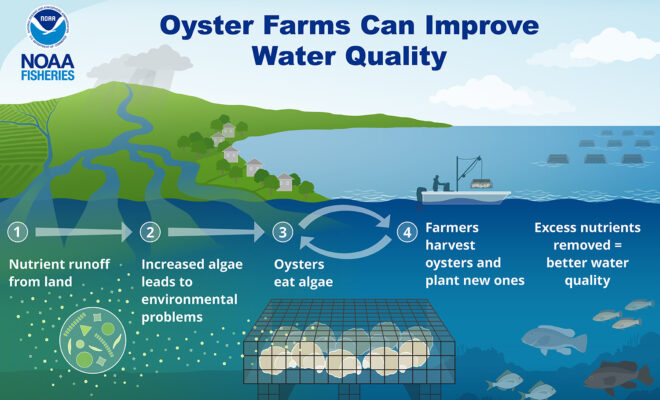
New Calculator Helps Oyster Growers Measure the Water Quality Benefits of Farms

11/15/2024 - By fisheries.noaa.gov. The new tool provides a science-based estimate of how much nitrogen oyster farms remove from local waterways. It generates a report that can be used in the aquaculture permitting process. When it comes to removing excess nutrients from waterways, shellfish are a powerhouse. The NOAA Milford Lab in Connecticut studies… SEE MORE
Image Credit: Wikimedia Commons.

Saltwater Aquaculture Is More Climate-Friendly than Freshwater Aquaculture

9/3/2024 - By Barbara Pinho. As the aquaculture industry grows, new research finds that seafoods raised in marine waters have a smaller carbon footprint than those raised in fresh water. The world’s aquaculture industry is booming. And it’s no wonder—overfishing in the open ocean has caused populations of many commercially caught fish… SEE MORE
Image Credit: fisheries.noaa.gov.

United Nations Endorses New “Guidelines for Sustainable Aquaculture”

7/21/2024 - By fisheries.noaa.gov. NOAA provided scientific expertise on the guidelines, which will develop global aquaculture best practices. More seafood is currently produced via farming, or aquaculture, than is harvested from the wild, according to a recent United Nations Food and Agriculture Organization report. As more people globally rely on seafood farming… SEE MORE
www.flickr.com

Do snitches net fishes? Scientists turn invasive carp into traitors to slow their Great Lakes push

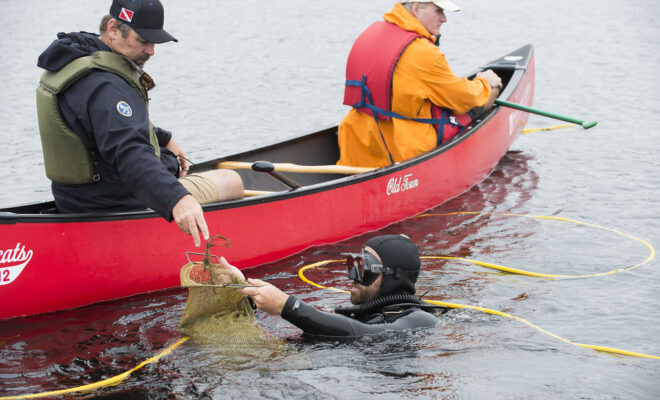
1/20/2024 - By  Todd Richmond Over the last five years, agencies such as the U.S. Fish and Wildlife Service and Minnesota Department of Natural Resources have employed a new seek-and-destroy strategy that uses turncoat carp to lead them to the fish’s hotspot hideouts. Agency workers turn carp into double agents by capturing… SEE MORE
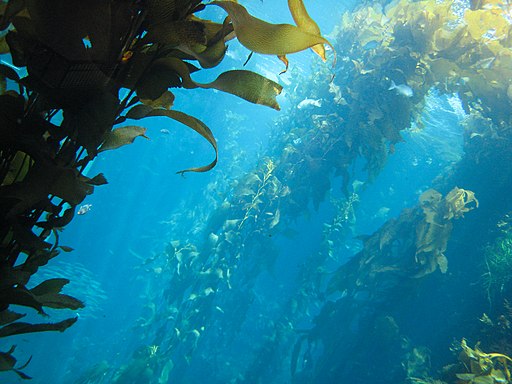
Kelp Tank, Sharon Mollerus, CC BY 2.0 , via Wikimedia Commons

What Grows on Kelp? New Research Identifies Microbes to Monitor

12/12/2022 - By fisheries.noaa.gov With a little “kelp” from the non-profit GreenWave, our scientists found no microorganisms that pose food safety concerns on aquacultured sugar kelp during the growing season in Long Island Sound. [caption id="attachment_44168" align="alignnone" width="648"] Sugar kelp (Saccharina latissima) blade samples collected from GreenWave’s farm in Groton, Connecticut. Credit:… SEE MORE