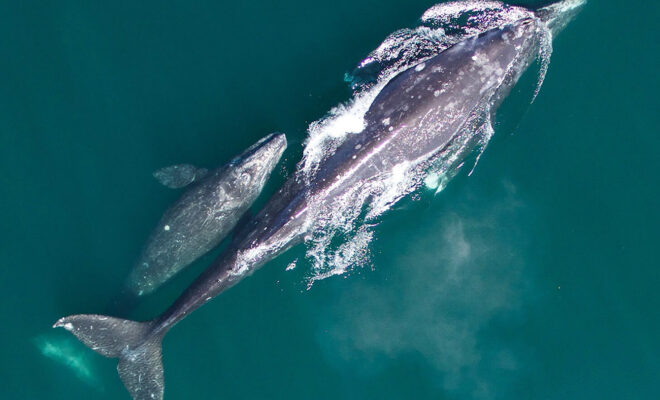
Image Credits: Noaa.

United States Pushes for Stronger Action to Fight Illegal Fishing and Sustainably Manage Fisheries in the North Pacific

5/12/2026 - By fisheries.noaa.gov, fisheries.noaa.gov. The United States advanced its goals to combat harmful fishing practices at the North Pacific Fisheries Commission’s 10th annual meeting in Osaka, Japan, in April. The Commission is a regional fisheries management organization. It manages pelagic and deep-sea fisheries in the high seas of the North Pacific, other than… SEE MORE
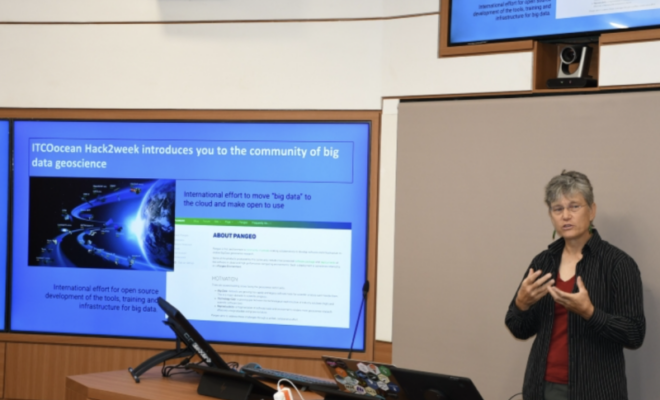
Dr. Holmes led a hack2week workshop as part of a NOAA International Fellowship in India in September 2023. Credit: International Training Centre for Operational Oceanography

Breaking Barriers to “Big Earth Data”

5/12/2026 - By fisheries.noaa.gov, fisheries.noaa.gov. Dr. Elizabeth "Eli" Holmes received the prestigious Earth Science Information Partners Martha Maiden 2026 Award in January. Dr. Holmes’ 25-year career at NOAA Fisheries demonstrates a deep commitment to advancing open science, fostering collaboration across agencies, and inspiring the next generation of scientists. At NOAA’s Northwest Fisheries Science Center, Dr.… SEE MORE
At first glance, dolphins and porpoises look similar. Taking a closer look, there are some general differences that distinguish these animals. See the common bottlenose dolphin (left) and harbor porpoise (right) pictured above.

Is It a Dolphin or a Porpoise?

5/9/2026 - By fisheries.noaa.gov, fisheries.noaa.gov. Dolphins and porpoises are both cetaceans, but they have distinct characteristics that set them apart. Learn how to recognize a dolphin vs. a porpoise. Dolphins and porpoises, along with whales, belong to a group of marine mammals called “cetaceans.” Cetacean comes from the Latin word for “large… SEE MORE
Recreational anglers enjoy a day on the water in the Florida Keys. NOAA/Matt McIntosh

Future of the Catch: The Modernization of Recreational Red Snapper Data Collection

5/8/2026 - By fisheries.noaa.gov, fisheries.noaa.gov. NOAA Fisheries and partners are using innovative methods to modernize Gulf of America recreational red snapper data collection. These projects are working to deliver faster, more efficient science. Red snapper is a cultural and economic cornerstone for coastal communities in the Gulf of America. The species is… SEE MORE
Image Credits: fisheries.noaa.gov.

NOAA Fisheries Certifies Two State Recreational Fishing Surveys to Improve Catch Estimates

5/5/2026 - By fisheries.noaa.gov, fisheries.noaa.gov. NOAA Fisheries has certified Alabama’s and Mississippi’s creel surveys as part of a move to advance federal-state partnerships for recreational fisheries management strategies. These surveys aim to produce more timely and precise estimates of state-specific recreational fishing catch and trip activity. This certification marks a significant milestone in the… SEE MORE
Bluefin Tuna underwater Image Credits: Shutterstock, Shutterstock, Adnan Buyuk

Western Atlantic Provides Refuge for Bluefin Tuna

5/1/2026 - By fisheries.noaa.gov, fisheries.noaa.gov. A 30-year study shows that conservation measures in the western Atlantic have created a vital haven, contributing to the recovery of bluefin tuna. An international team of scientists deployed electronic tags on bluefin tunas across three decades to investigate stock movement between the eastern and western Atlantic.… SEE MORE
Stand-up paddle boarders explore marsh around Wrightsville Beach, North Carolina. Credit: Hank Carter.

Marsh Madness

4/1/2026 - By fisheries.noaa.gov, fisheries.noaa.gov. While players duel it out on the court, we’re keeping score of all the ways marsh habitat plays an important role in the protection and restoration work we do for communities, fish, and wildlife. NOAA is taking a court-side look at how we protect and restore marsh… SEE MORE

Emergency Groundfish Rule Keeps Fleet Fishing as Species Prove More Abundant

2/7/2026 - By fisheries.noaa.gov, fisheries.noaa.gov. New science prompts emergency changes giving fleet more flexibility. The West Coast groundfish fleet will benefit from a new emergency rule increasing catch limits for three key species that have proved more abundant than previously thought. West Coast groundfish make up the largest fishery by volume on the West… SEE MORE
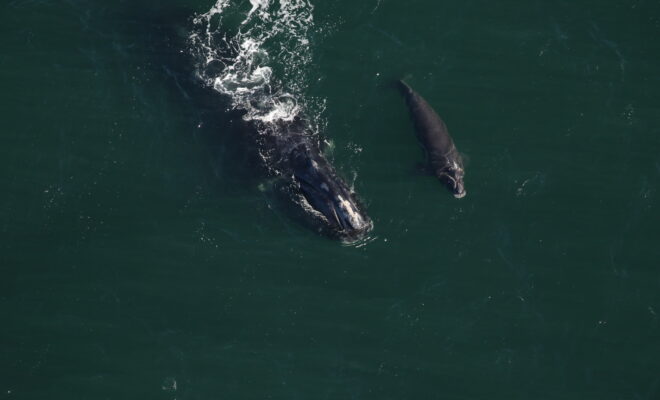
North Atlantic right whale #2503 (Boomerang) and her fifth calf swimming approximately 9 miles east of the St. Mary’s River entrance in Florida. Credit: Clearwater Marine Aquarium Research Institute, taken under NOAA permit #26919. Aerial survey funded by NOAA Fisheries and the Georgia Department of Natural Resources.

North Atlantic Right Whale Calving Season 2026

1/10/2026 - By fisheries.noaa.gov, fisheries.noaa.gov. The right whale calving season begins in mid-November and runs through mid-April. Researchers have identified 15 calves so far this calving season. Every single female North Atlantic right whale and calf are vital to this endangered species’ recovery. Since 2017, the whales have been experiencing an Unusual Mortality Event, which… SEE MORE