Marsh Madness
By fisheries.noaa.gov, fisheries.noaa.gov.
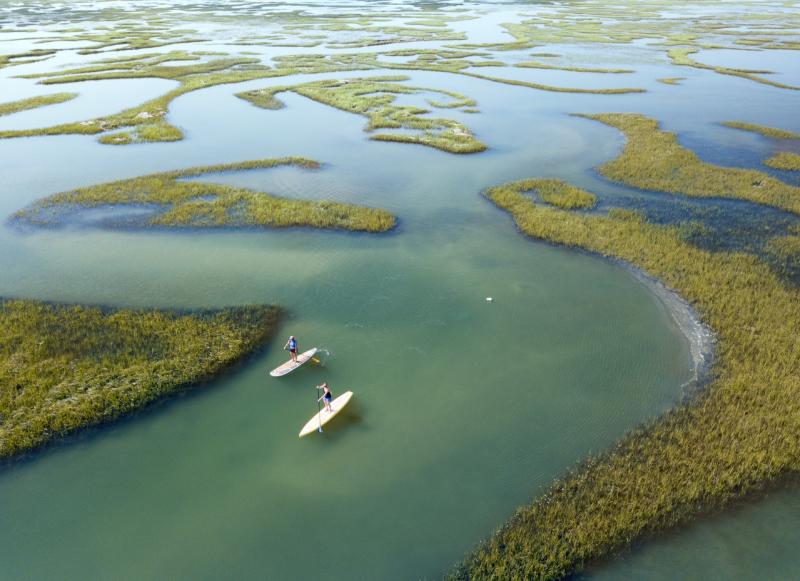
While players duel it out on the court, we’re keeping score of all the ways marsh habitat plays an important role in the protection and restoration work we do for communities, fish, and wildlife.
NOAA is taking a court-side look at how we protect and restore marsh habitat to sustain fisheries and support coastal communities. Below, take a look at our marsh habitat features—and follow along at #MarshMadness on @NOAAHabitat!
5 Reasons Why We Love Wetlands
Wetlands—including marshes, mangroves, swamps, and floodplains—provide valuable benefits. They serve as habitat for the fish we eat, protect coastal communities from storms, and help filter pollution out of our water.
Learn more about the many reasons to love wetlands

Restoring the Indian River Lagoon’s Seagrass Meadows and Wetlands
NOAA is supporting a system-wide effort to restore Florida’s Indian River Lagoon, in partnership with the Indian River Lagoon Council. This work is driving large-scale seagrass and wetland restoration, delivering benefits for fisheries, water quality, and coastal communities.
Read more about large-scale wetland restoration in the Indian River Lagoon

Interactive Tool Gives Virginia Communities Data on Economic Effects of Marshes and Living Shorelines
Chesapeake Bay marshes and living shorelines play important roles in the ecosystem and benefit nearby communities. NOAA Fisheries and partners, including the Virginia Institute of Marine Science (VIMS), work to restore these important places. VIMS researchers developed a tool that individual land owners, communities, and resource managers can use to help them make decisions about marsh and living shoreline projects in Virginia’s Middle Peninsula.