Search for More Stories:
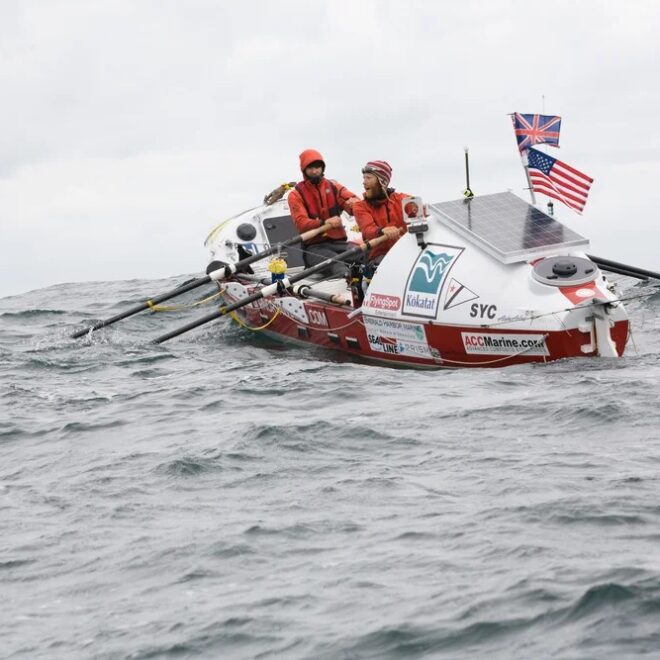
"Rowing into the Son" Chronicles Historic Transatlantic Row
By Norris Comer, Published in best4boats.com. For harbor enthusiasts and maritime adventurers, few stories capture the raw reality of ocean rowing like Jordan Hanssen's account of the first unassisted row from mainland USA to mainland England. The 2006 expedition, which set a Guinness World Record, offers valuable insights into seamanship,… SEE MORE
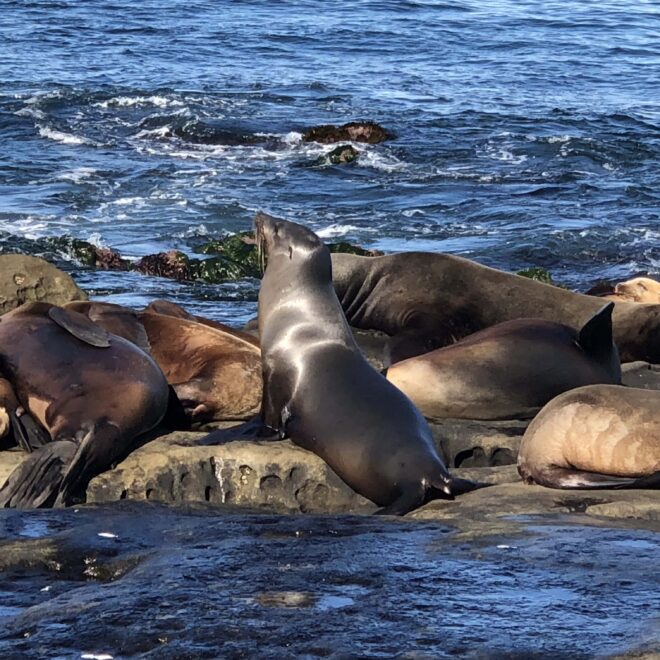
Toxic Algae Bloom Overwhelms California Marine Rescuers as Sea Lions Fall Ill
By Dawn Anderson, Published in best4boats.com. A severe harmful algal bloom along Southern California's coast is creating hazardous conditions not only for marine mammals but also for boaters and beachgoers who may encounter disoriented or aggressive sea lions. The crisis highlights growing concerns about ocean health along one of America's… SEE MORE
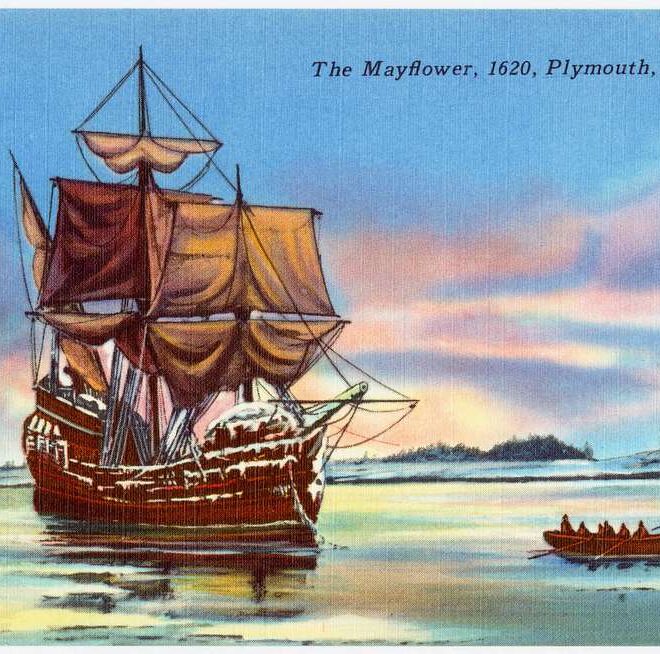
When History Sets Sail: The $11.2M Journey to Keep Mayflower II Alive
By Arnie Hammerman, Published in best4boats.com. The extensive restoration of Mayflower II illustrates the complex technical and financial challenges involved in maintaining historic vessels as operational maritime assets. The project's multi-year timeline and collaborative funding model offer insights for harbor communities seeking to preserve their own historic waterfront vessels. In… SEE MORE
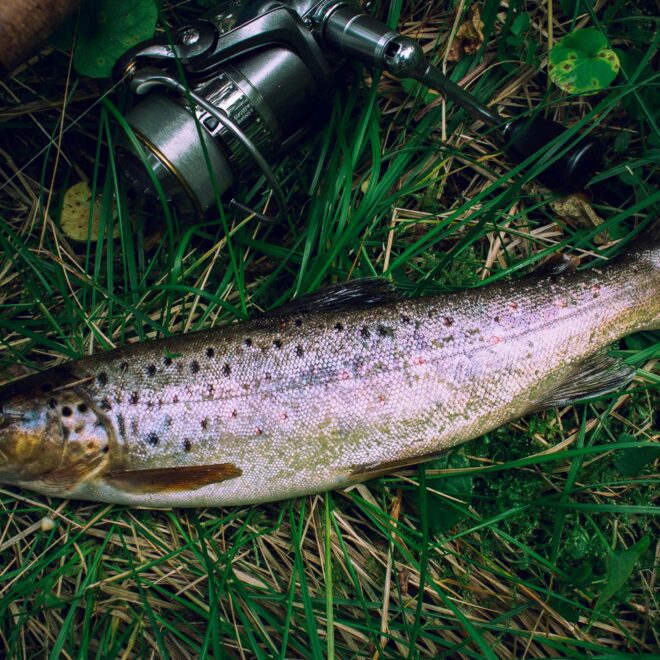
Expert Tactics for Landing Trophy Seatrout in Coastal Waters
By Dave Lear, Published in sportfishingmag.com. Understanding microhabitat features and tidal flow patterns proves essential for anglers targeting trophy-sized seatrout in harbor-adjacent waters and shallow coastal environments. The specialized techniques employed by expert guides demonstrate how site selection and patient presentation strategies outweigh high-volume fishing approaches when pursuing double-digit specimens.… SEE MORE
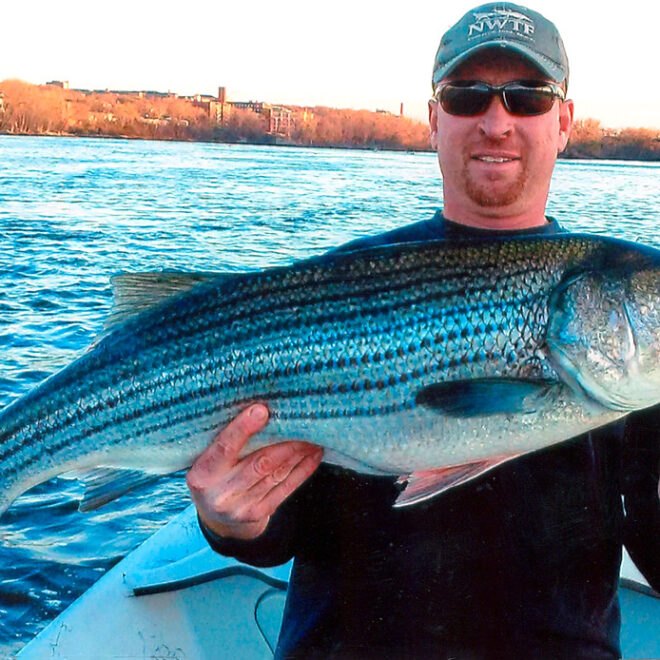
Expert Lure Selection Strategies for Harbor-Based Striped Bass Fishing
By Capt. Vincent Daniello, Published in sportfishingmag.com. Understanding regional fishing patterns and lure characteristics is essential for harbor-based anglers targeting striped bass in varying conditions. Professional charter captains' insights reveal how water conditions, structure, and seasonal patterns drive lure selection decisions that recreational harbor fishermen can apply to their local… SEE MORE
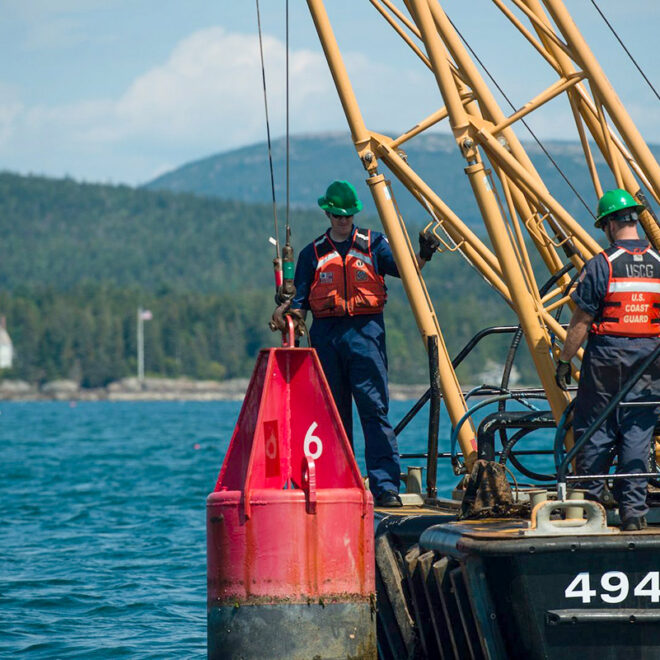
U.S. Coast Guard Coastal Buoy Removal Proposal Update
After receiving nearly 3,000 public comments on the Coastal Buoy Modernization Proposal (NY to Maine), the Coast Guard has made adjustments to the proposed changes. New public comment deadline: Nov 13, 2025 October 1, 2025 | Source: Northeast Regional Ocean Council (NROC) The U.S. Coast Guard received nearly 3,000 public… SEE MORE
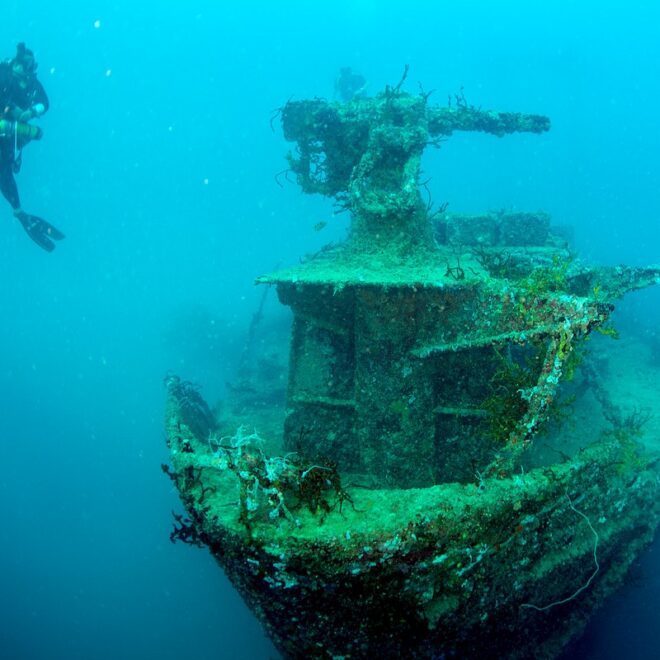
Advanced ROV Technology Drives Pacific Northwest Shipwreck Exploration
By Norris Comer, Published in best4boats.com. The SS Pacific salvage operation demonstrates how modern maritime technology enables complex Deepwater recovery missions previously impossible for independent operators. The integration of custom ROV systems with specialized detection equipment illustrates the evolving capabilities available to smaller-scale maritime exploration ventures. A key part of… SEE MORE
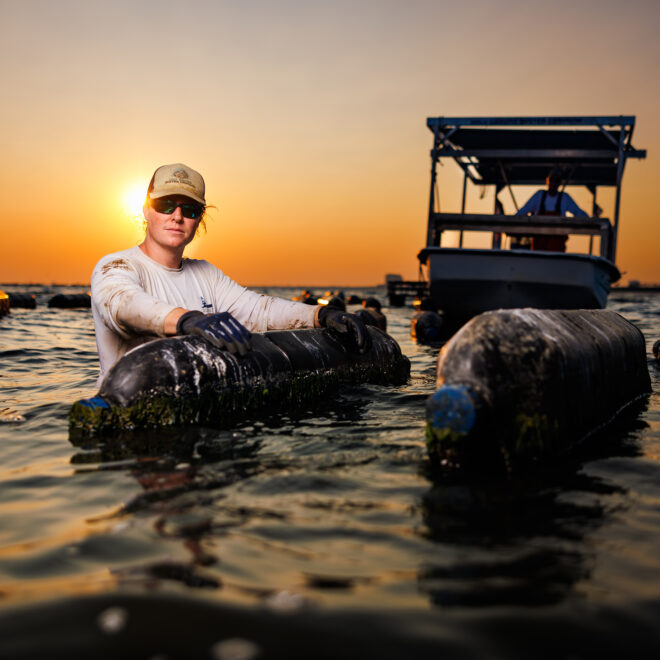
Celebrating Aquaculture Week: Farming from Tide to Table
By fisheries.noaa.gov. Aquaculture Week 2025 offers a chance to learn how marine aquaculture—or farmed seafood—is vital for supporting our nation’s seafood production and jobs on the water, enhancing coastal resilience, and more. National Aquaculture Week celebrates increasing access to fresh seafood while protecting coastal resources. Seafood farming, if done responsibly… SEE MORE
New York's Multi-Tiered Coastal Funding Model Offers Template for Harbor Infrastructure Projects
By Claude Solnik, Published in fireislandnews.com New York's approach to financing long-term coastal resilience demonstrates how complex federal, state, and local partnerships can be structured to support major maritime infrastructure investments. The funding mechanism provides insights for other coastal regions seeking sustainable financing for harbor protection and maintenance projects. Federal… SEE MORE
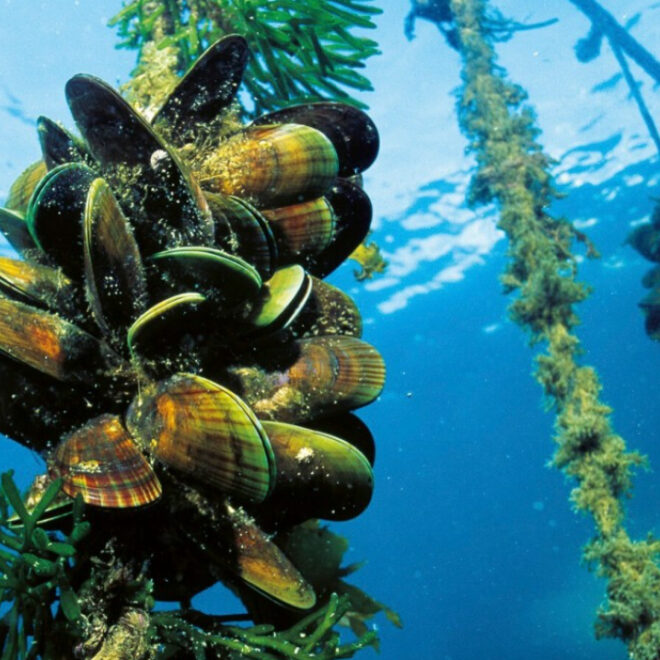
Aquaculture Opportunity Areas bolster America-first seafood production
By noaa.gov. Areas identified in Gulf of America and off California coast will drive American jobs, sustainable seafood farming. As part of NOAA’s commitment to prioritizing American seafood competitiveness, the agency has identified 13 Aquaculture Opportunity Areas totaling more than 21,000 acres in U.S. federal waters of the Gulf of America and… SEE MORE
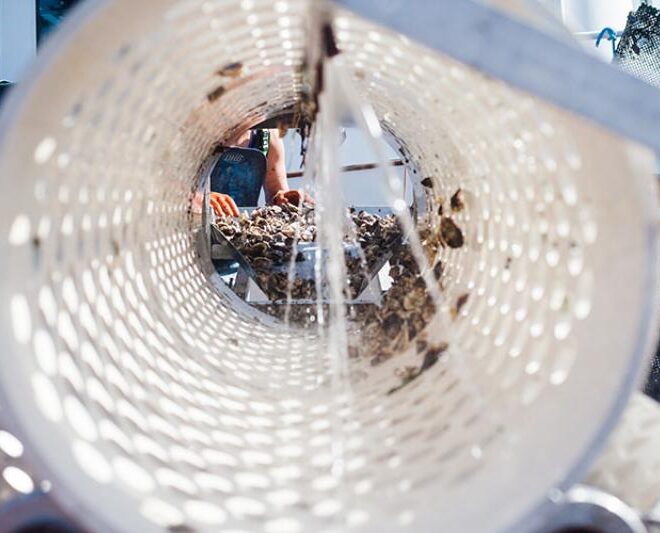
Alaska's Aquaculture Challenges Highlight Infrastructure Needs for Remote Harbor Operations
By fisheries.noaa.gov. Alaska's oyster farming challenges highlight critical infrastructure gaps in Southeast Alaska's harbor facilities and maritime networks supporting remote aquaculture operations. Alaska's expanding oyster farming industry faces unique operational challenges that mirror broader issues affecting harbor facilities and maritime logistics in extreme northern environments. These constraints have significant implications… SEE MORE
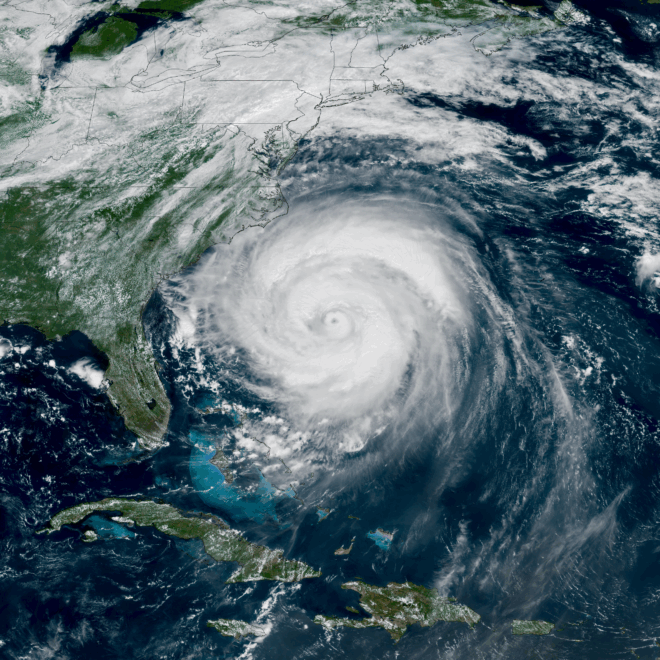
Hurricane Erin Demonstrates Critical Maritime Coordination for Port Safety
Hurricane Erin demonstrated how proactive federal coordination successfully protected East Coast ports and maritime traffic from distant storm threats. [caption id="attachment_51392" align="aligncenter" width="2560"] Image Credits: NOAA.[/caption] In “Hurricane Erin Demonstrates Critical Maritime Coordination for Port Safety” NOAA, published in noaa.gov. (Sep 10, 2025), it is stated: Hurricane Erin's passage near… SEE MORE