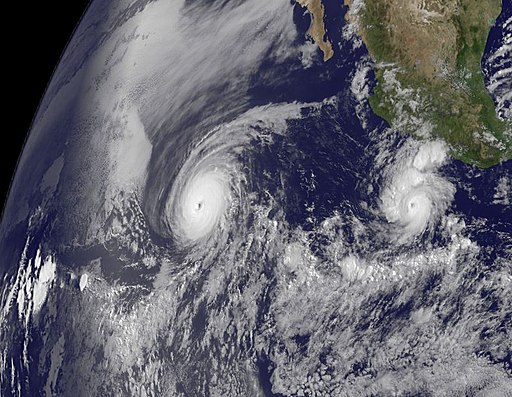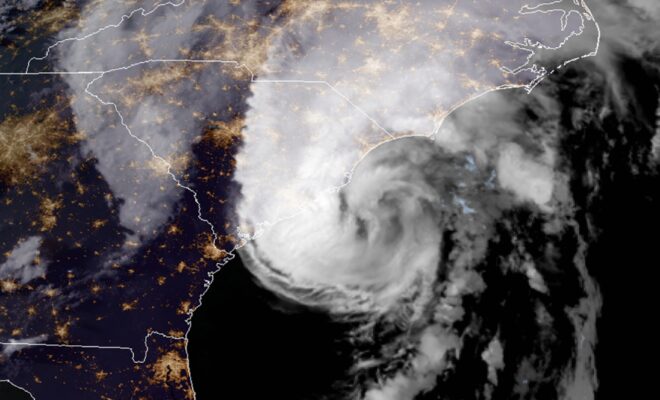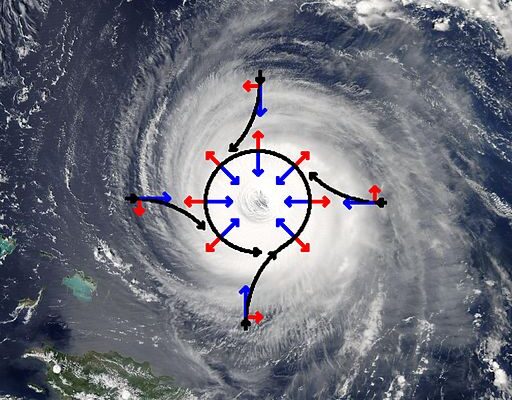
NASA Goddard Space Flight Center from Greenbelt, MD, USA, CC BY 2.0 ,Hurricane via Wikimedia Commons

Five Questions to Help You Understand Hurricanes and Climate Change

12/26/2022 - By nasa.gov The 2022 Atlantic hurricane season has officially started, and NASA scientists are working with partners at NOAA, FEMA and other organizations to help communities prepare for these storms and respond to their aftermath. To gain a better understanding of how hurricanes are intensifying and becoming stronger in the face of… SEE MORE

NOAA: Fewer Central Pacific Hurricanes this Season

6/1/2022 - There is a 60% chance of below-normal tropical cyclone activity during the Central Pacific hurricane season this year, according to NOAA’s Central Pacific Hurricane Center and NOAA’s Climate Prediction Center, divisions of the National Weather Service. The outlook also indicates a 30% chance for near-normal activity, and only a 10%… SEE MORE

Safety 101: What to Do in a Power Outage

10/27/2021 - Extended power outages may impact the whole community and the economy. A power outage may: Disrupt communications, water and transportation. Close retail businesses, grocery stores, gas stations, ATMs, banks and other services. Cause food spoilage and water contamination. Prevent use of medical devices. Power Outage Tips Keep freezers and refrigerators… SEE MORE
Satellite image of Hurricane Douglas

‘Average’ Atlantic Hurricane Season to Reflect More Storms

4/16/2021 - Beginning with this year’s hurricane season outlooks, NOAA’s Climate Prediction Center (CPC) will use 1991-2020 as the new 30-year period of record. The updated averages for the Atlantic hurricane season have increased with 14 named storms and 7 hurricanes. The average for major hurricanes (Category 3, 4 or 5) remains… SEE MORE