Search for More Stories:

Beach Time, Learning Time
By Jennifer Brett. Having a beach day? Why not add some marine science to it? With these four fun games and activities, kids can learn about the shoreline habitats, beach ecology and the animals that call the coast home – and they probably won’t even realize it’s “educational.” Win-win! All… SEE MORE
Shorting the Circuit
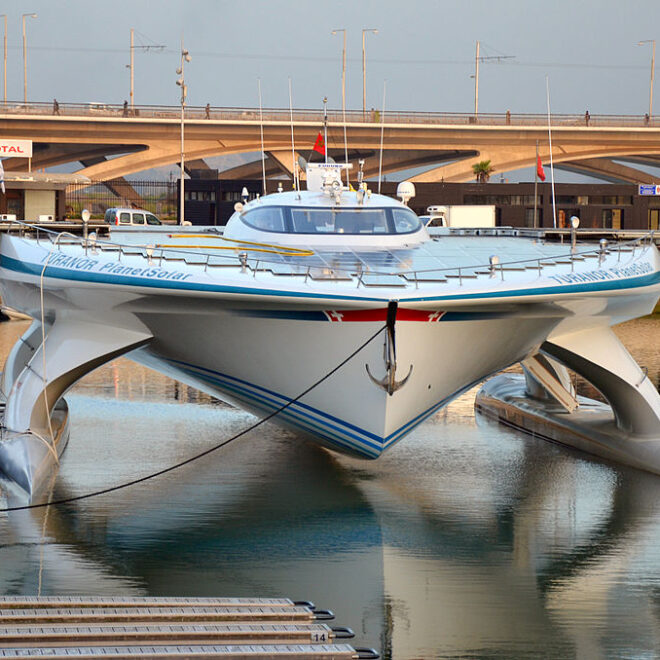
By tradeonlytoday.com The idea of zero emissions that comes with electric vehicles and boats has an almost romantic allure. If we all just parked our internal-combustion cars, trucks and boats, we would be saving the environment and all of mankind. Or would we? “You can’t automatically assume that electrification is… SEE MORE
The slow death and uncertain future of California’s swordfish fishery
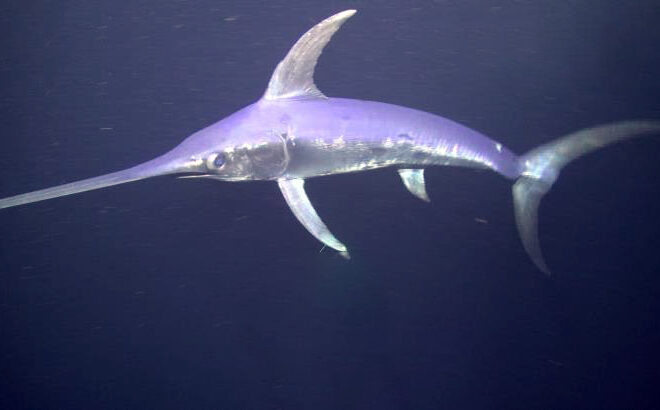
By nationalfisherman.com After decades of public scrutiny, legal battles, and many regulatory changes that constricted the fishery, large-mesh drift gillnets for swordfish in California will be phased out by 2027. Deep-set buoy gear, now being employed under federal exempted fishing permits, is set to become the primary method to harvest… SEE MORE
10 Seaweed Blobs That Will Blow Your Mind
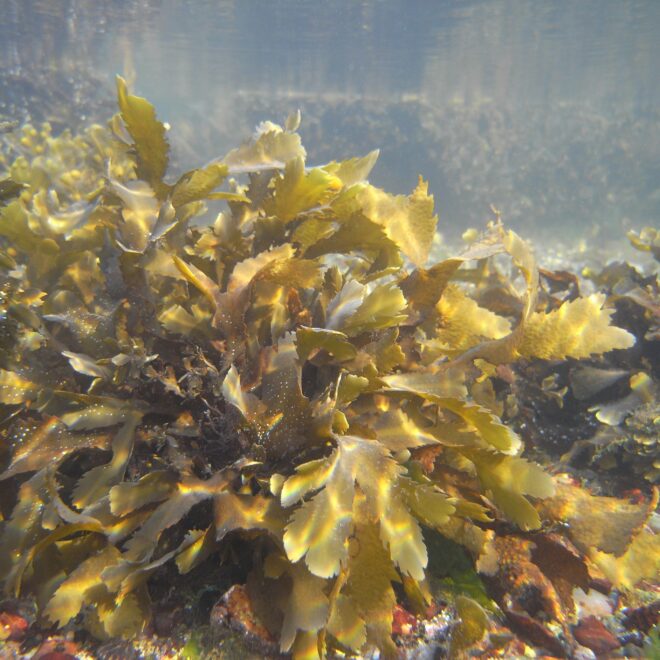
By atlasobscura.com Batten down the hatches. Stay out of the water, and beware, because it’s coming. It isn’t a shark or a sea monster. No, this marine menace is…seaweed. More specifically, it’s a massive blob of the stuff twice the width of the continental United States. And that 5,000-mile-wide gunk raft… SEE MORE
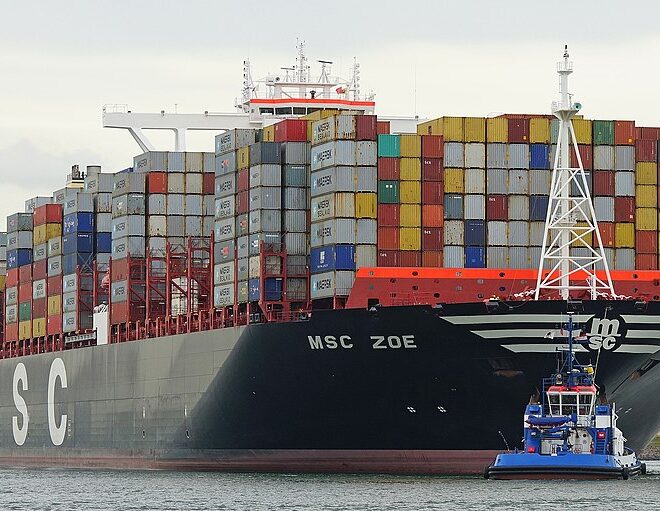
California, LA and Japan Sign Agreements for Green Shipping Initiative
By maritime-executive.com Representatives from the state of California and the government of Japan signed agreements to collaborate on clean ports and shipping including establishing green shipping corridors during a trade mission to Japan. The initiative was followed with a second agreement between the ports of Los Angeles, Tokyo, and Yokohama… SEE MORE

When Cities Meet The Water: America’s Top Urban Paddling Destinations
By paddling.com. For most paddling lovers, a dream home would involve a backyard looking over a beautiful body of water with a nice private dock for launching a kayak, canoe, or SUP board. Unfortunately, this is not a feasible reality for most people, paddling lovers or not. In fact, many… SEE MORE
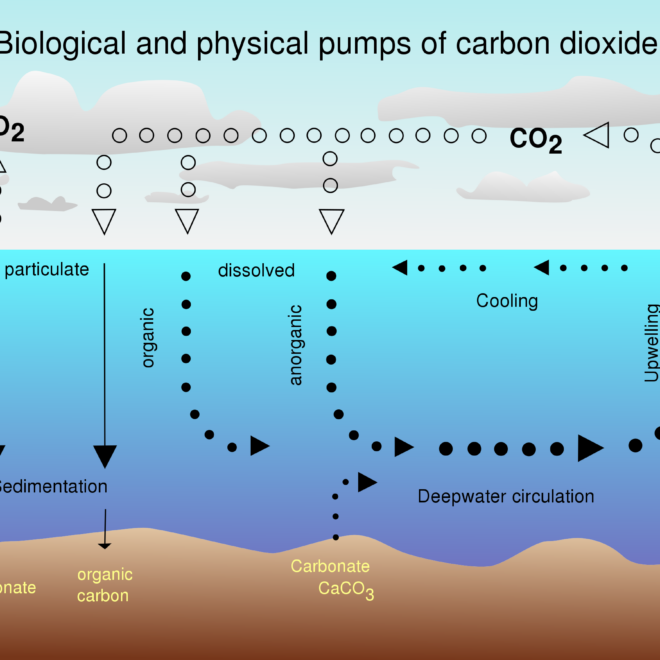
Scientists Want to Dump Iron Nanoparticles into the Oceans to save the Planet
By bigthink.com Ocean fertilization is extremely controversial, but if done correctly, it just might work. KEY TAKEAWAYS: Reducing carbon emissions may not be enough to reverse the worst effects of climate change. Capturing and burying carbon dioxide may be necessary. One idea is to "fertilize" the ocean with iron nanoparticles,… SEE MORE
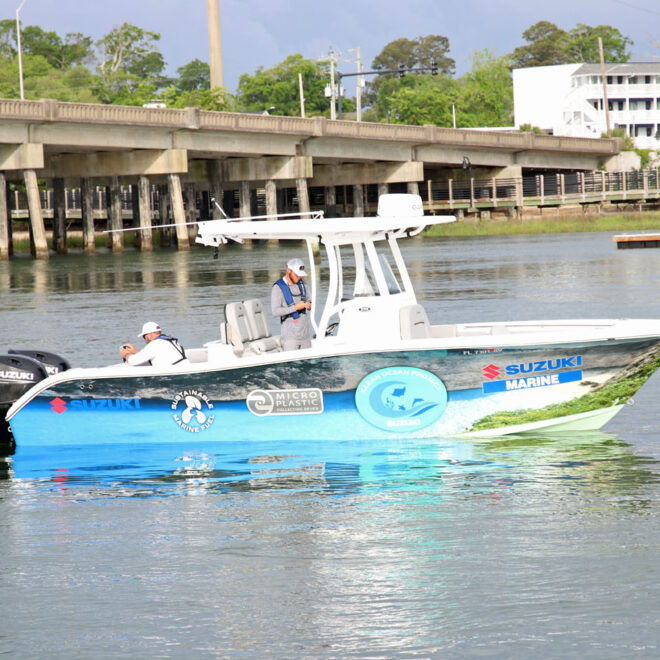
Suzuki Marine Completes Run to the Capitol Powered by New Sustainable Fuel
By SUZUKI MARINE USA, LLC. 940-Mile Voyage Aboard 26-Foot Center Console Powered by New Sustainable EcoFuel Tampa, FLA. — Today’s opening of the 2023 American Boating Congress (ABC) in Washington, DC will feature a small boat that recently concluded a truly big and significant adventure — running by water from… SEE MORE
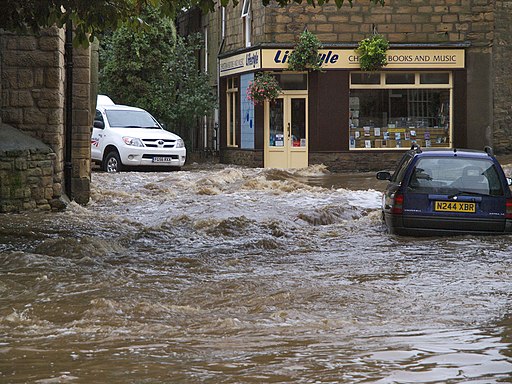
NOAA to Launch Major Advancement in Seasonal High Tide Flooding Predictions
By NOAA. The new model will aid flooding and restoration efforts, and help lessen possible impacts from climate change. NOAA plans to unveil a new model to more accurately predict when and where high tide flooding will likely occur up to a year ahead of time. This new information will… SEE MORE
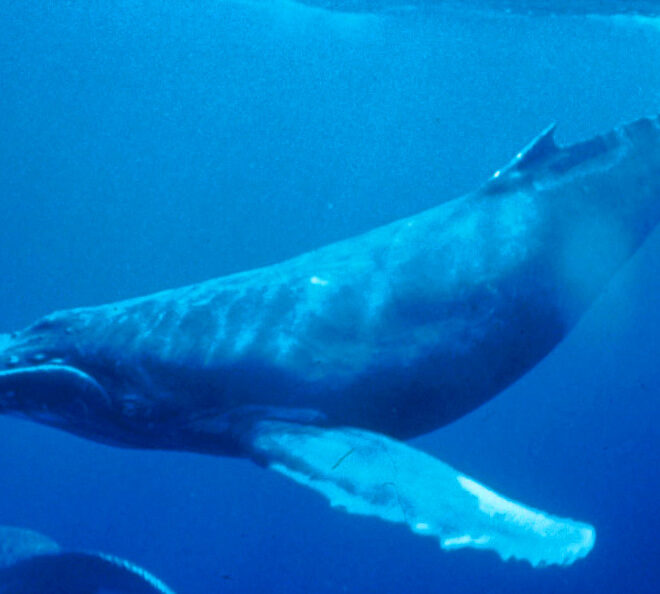
Survival at Sea: Are You Prepared?
By Oceangrafixblog A jumping humpback whale in front of a sailing boat. A shipwreck at sea can happen to anybody. In the United States, 658 people died as a result of boating accidents in 2021 and 2,641 people were injured. Many deaths were due to damage to the boat. The sailboat Raindancer is a… SEE MORE
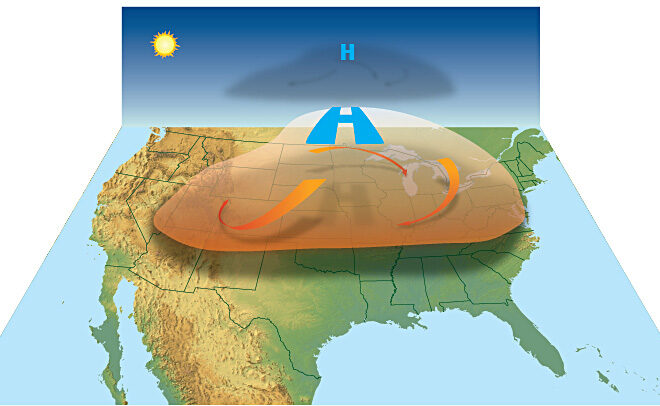
Google Adds Extreme Heat Warnings and Other Climate Tools
By gizmodo.com. It’s no secret: the world is heating up. Inevitably, people are starting to take notice. More people are searching for information on extreme heat than ever before, according to Google—and the company is hoping to make those search results clearer. With a new search feature, Google says it wants… SEE MORE
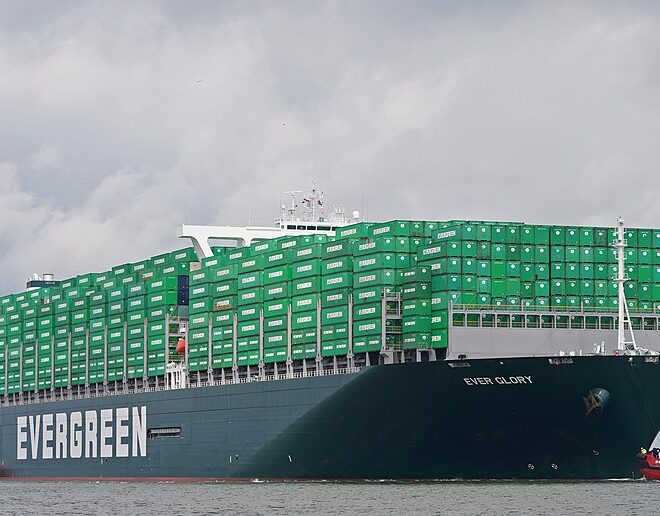
Ports in California and Japan Agree to Green Shipping Initiative
By maritime-executive.com. Representatives from the state of California and the government of Japan signed agreements to collaborate on clean ports and shipping including establishing green shipping corridors during a trade mission to Japan. The initiative was followed with a second agreement between the ports of Los Angeles, Tokyo, and Yokohama… SEE MORE