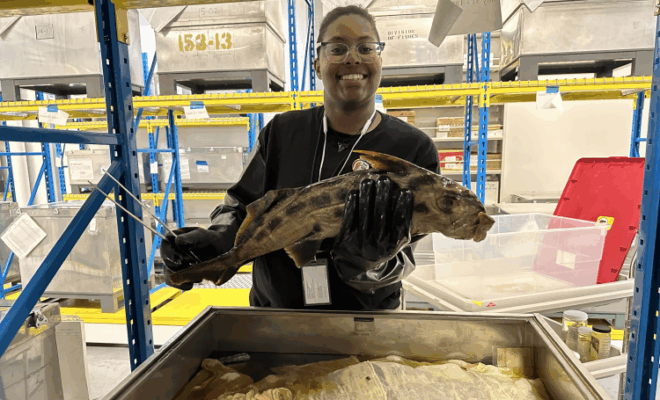
Hollings scholar Lei Curtis selects a ghost shark specimen from an oversized specimen tank in the Smithsonian Institution National Museum of Natural History Credit: Dr. Katherine Bemis/NOAA Fisheries

Diving Into Ghost Shark Systematics: My Summer as a NOAA Hollings Scholar

11/22/2025 - By fisheries.noaa.gov, fisheries.noaa.gov. Northeastern University student Lei Curtis reflects on their Hollings internship experience with the National Systematics Laboratory. My name is Lei Curtis, and I’m excited to share my experience as a 2025 NOAA Hollings scholar interning with the National Systematics Laboratory. I’m a senior at Northeastern University studying… SEE MORE
Image Credits: research.noaa.gov.

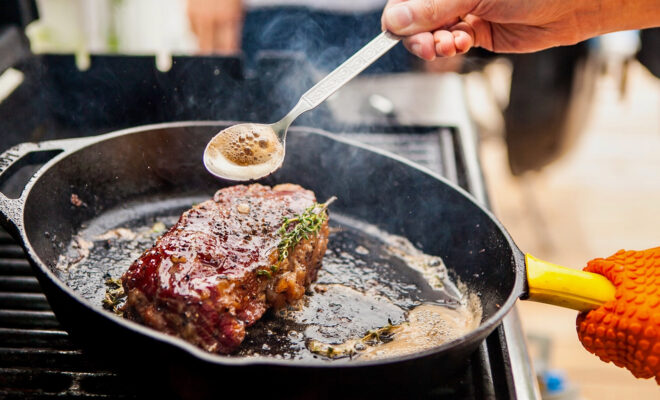
Cooking Emissions Rival Fossil Fuels as an Ozone Pollution Source in Los Angeles

4/9/2025 - By research.noaa.gov. As the adoption of cleaner-burning engines and electric vehicles drives fossil fuel emissions lower, scientists have discovered that a surprising pollution source is playing a significant role in cooking up ozone in the air over Los Angeles. According to new research from NOAA, the potent and often pungent… SEE MORE
Image Credits: Flickr.com.

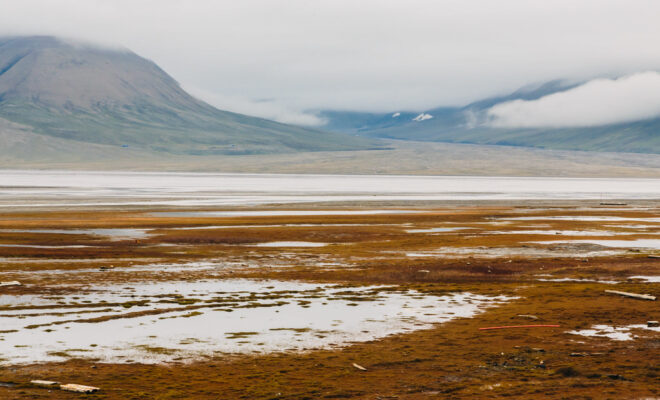
Arctic Tundra Becoming Source of Carbon Dioxide Emissions

1/31/2025 - By noaa.gov. 2024 Arctic Report Card tracks rapid, complex Arctic change. After storing carbon dioxide in frozen soil for millennia, the Arctic tundra is being transformed by frequent wildfires into an overall source of carbon to the atmosphere, which is already absorbing record levels of heat-trapping fossil fuel pollution. The… SEE MORE
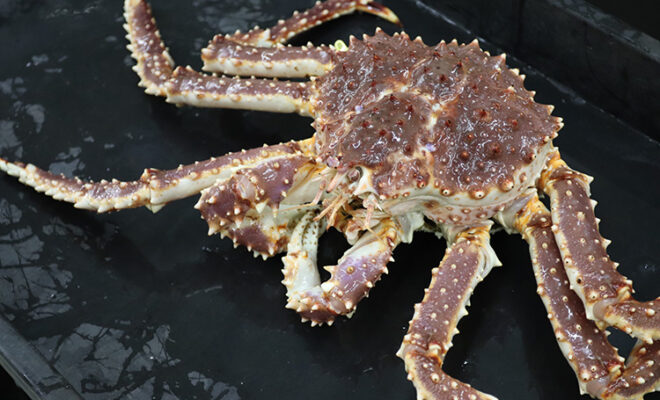
Image Credits: Red king crab on the deck of a research vessel. Credit: NOAA Fisheries / Erin Fedewa

Genetic Diversity in Alaska Red King Crab May Provide Resilience to Climate Change

1/10/2025 - By noaa.gov. New genetic research on the Alaska red king crab reveals previously undiscovered diversity among different regions, suggesting the species is more resilient to climate change and changing ocean conditions. Maintaining genetic diversity within and among populations is vital to ensure species are resilient to challenging conditions. Without it,… SEE MORE
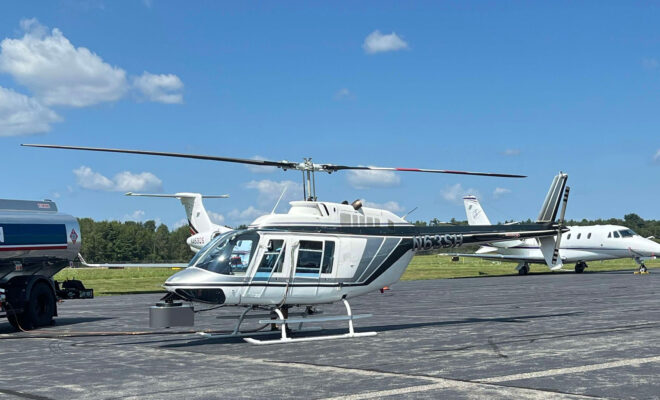
Helicopter fitted with cameras for aerial mapping. The cameras are in the gray box mounted to the underside of the cockpit in front of the landing skids. Credit: Atlantic Salmon Federation/Valerie Ouellet

Where Do Atlantic Salmon Go to Beat the Heat?

11/25/2024 - By fisheries.noaa.gov. As a key river habitat warms, researchers race to protect cold water patches critical to salmon survival. Researchers have successfully used cameras operated from a helicopter to map surface water temperatures in Maine’s Narraguagus River. This is an important step toward habitat conservation for endangered Atlantic salmon and… SEE MORE