Image Credit: doi.org.

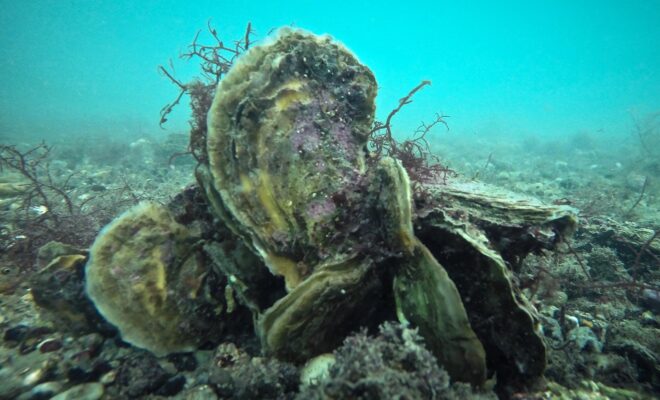
The ocean is becoming too loud for oysters, research finds

8/2/2024 - By sciencedaily.com. Baby oysters rely on natural acoustic cues to settle in specific environments, but new research from the University of Adelaide reveals that noise from human activity is interfering with this critical process. "The ocean's natural sound is gradually hushing due to habitat loss, leading to a quieter natural… SEE MORE
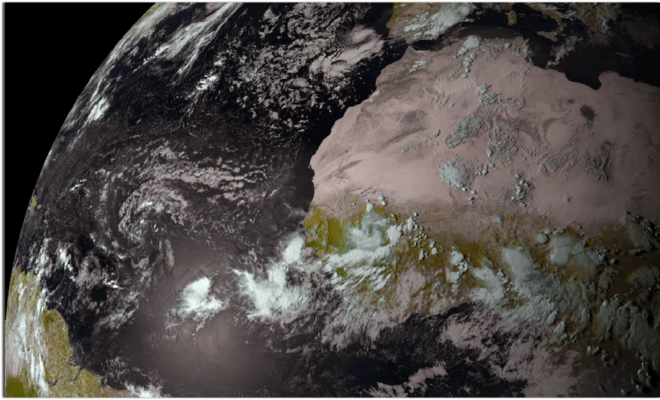
African easterly wave convection moving over Africa into the Atlantic captured by the Meteosat Second Generation Satellite. (Image downloaded via EUMETSAT.)

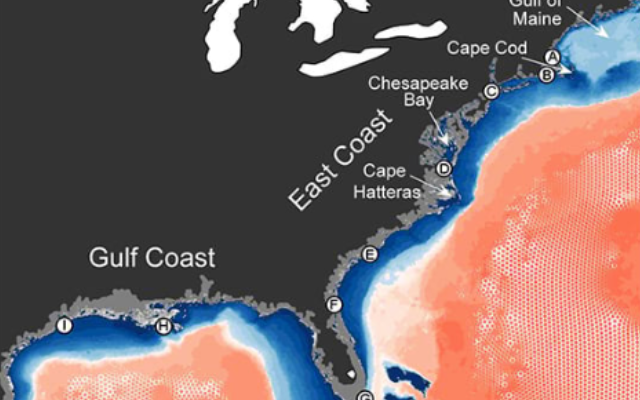
Damping The “Seeds” Of Hurricanes

7/14/2024 - By Audrey Merket. Increased atmospheric moisture produced weaker hurricane formation. Increased atmospheric moisture may alter critical weather patterns over Africa, making it more difficult for the predecessors of many Atlantic hurricanes to form, according to a new study published this month. The research team, led by scientists from the U.S.… SEE MORE
Image Credit: Getty Images

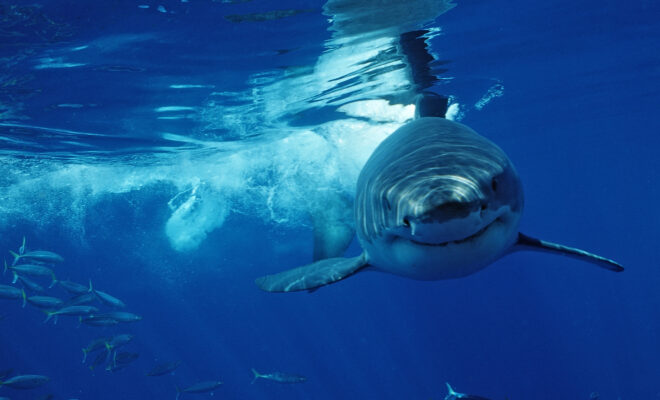
You’re Gonna Need A Bigger Catalog: Cape Cod’s Great White Shark Population Keeps Growing

7/11/2024 - By Melisa Cristina Marquez. Cape Cod, known for its scenic Americana coastline and quaint towns, has also gained recognition in recent years as a hub for shark research. Specifically scientific research revolving around one of the most iconic species: the great white shark (Carcharodon carcharias). The Atlantic White Shark Conservancy has been… SEE MORE
Image Credit: shutterstock.com

The Arctic is Warming Rapidly. These Clouds may Hold Clues as to Why

7/4/2024 - By Carolyn Gramling. Eight flights into the odd clouds this year have provided needed intel on their inner workings. In the Arctic, a mysterious atmospheric phenomenon generates some of the oddest clouds on Earth. Up there, streaky wisps can swiftly transform into towering thunderstorms. These strange clouds are not just… SEE MORE
Image Credit: research.noaa.gov.

A Class of Ozone-Depleting Chemicals is Declining, Thanks to the Montreal Protocol

7/1/2024 - By research.noaa.gov. New research by a team including current and former NOAA-affiliated scientists has shown that atmospheric concentrations of a class of ozone-depleting chemicals used as refrigerants, foam blowing agents and solvents peaked in 2021 and are now beginning to decline as nations comply with restrictions called for by the… SEE MORE
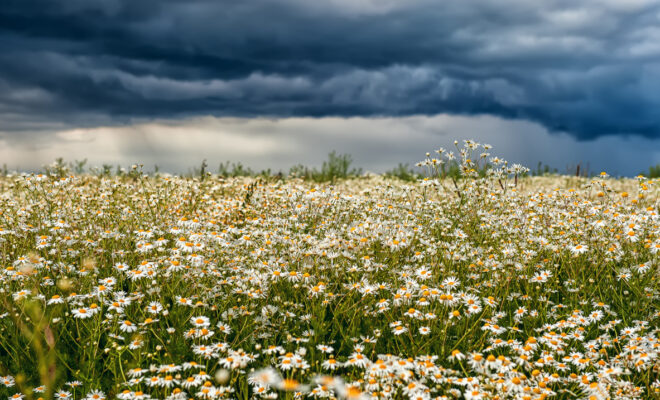
Field of chamomile flowers with storm clouds in the distance. (Image credit: Getty Images)

Nothing to Sneeze at: New Research Shows Pollen can Change the Weather

5/16/2024 - By noaa.gov. Experimental model explores connection between air quality and weather. More than 80 million Americans suffer from seasonal allergies due to airborne pollen, according to the U.S. Centers for Disease Control and Prevention (CDC). Associated medical costs exceed $3 billion every year, with nearly half of those costs linked… SEE MORE