https://www.fisheries.noaa.gov/feature-story/climate-change-affects-different-us-west-coast-fishing-fleets-unequally

Climate Change Affects Different U.S. West Coast Fishing Fleets Unequally

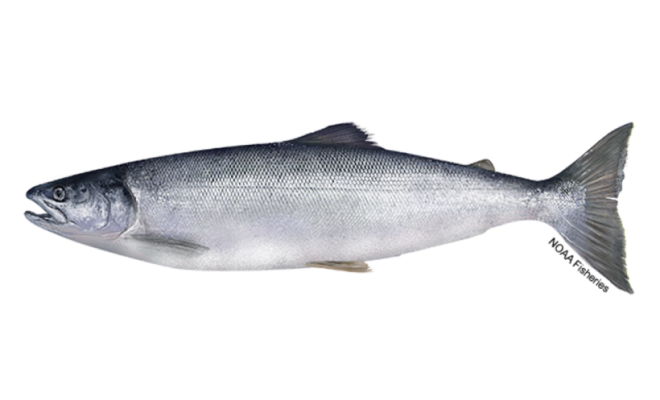
3/20/2024 - By fisheries.noaa.gov. Climate change is hitting fishermen hard. But it's not hitting all those who depend on the sea for their livelihood the same way. A new NOAA Fisheries study examined how climate change might affect commercial fishing fleets on the U.S. West Coast. The findings were published recently in the journal PLoS… SEE MORE
https://www.gettyimages.in/videos/massachusetts-shellfish

Massachusetts Shuts Down Many South Coast Shellfish Beds Due to Sewage

3/19/2024 - By Adam Goldstein. The Massachusetts Division of Marine Fisheries is immediately shutting down thousands of acres of shellfish beds surrounding the New Bedford and Fairhaven wastewater treatment plant outfalls to comply with federal health and safety standards. More than 18,000 acres of the Dartmouth, Fairhaven and New Bedford coastline, including… SEE MORE
North Atlantic right whale Pediddle (#1012) and calf. This species was hunted nearly to extinction by commercial whalers in the 1800s, and continues to face threats from vessel strikes and entanglement in fishing gear. Credit: NOAA Fisheries

Whales and Carbon Sequestration: Can Whales Store Carbon?

3/18/2024 - By fisheries.noaa.gov. The ocean captures about 31 percent of all carbon dioxide emissions, removing carbon from the atmosphere that would otherwise continue to trap heat and increase temperatures. Blue carbon, or carbon captured by ocean ecosystems includes: Carbon absorbed by aquatic plants, algae, and phytoplankton Carbon stored in the bodies of living animals… SEE MORE
The land between lagoon and beach in Funafuti, Tuvalu. The highest point on Tuvalu is 4.6 metres above sea level. With five millimetres per year of regional sea level rise (above the global average), the small nation could be inundated within a century. Credit: Mario Tama / Getty Images

Rising Sea Levels Increase Threat Of Arsenic In Drinking Water

3/17/2024 - By Kendra Pierre-Louis. (Bloomberg) —Rising seas due to climate change could exacerbate the threat of arsenic in drinking water, according to a study published in PLOS ONE in January. Researchers focused on arsenic in well water in Bangladesh, where up to 97% of the population relies on such water for drinking. Arsenic occurs naturally… SEE MORE