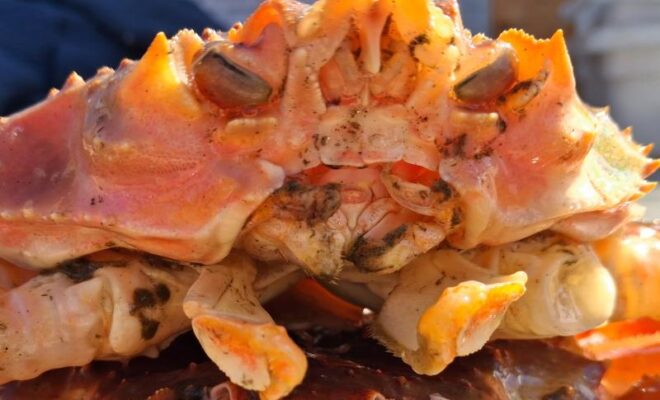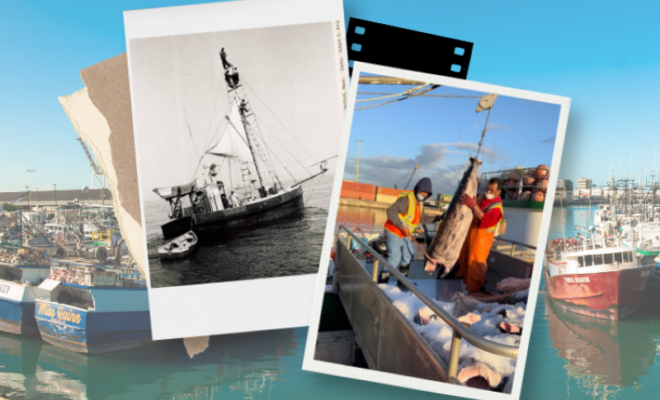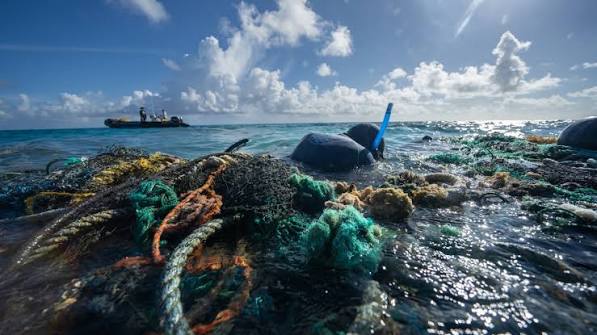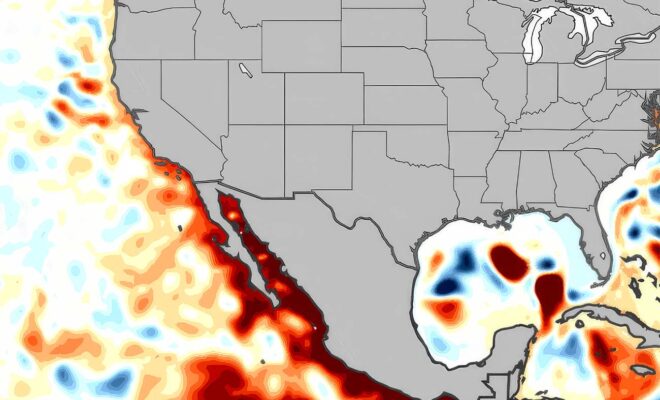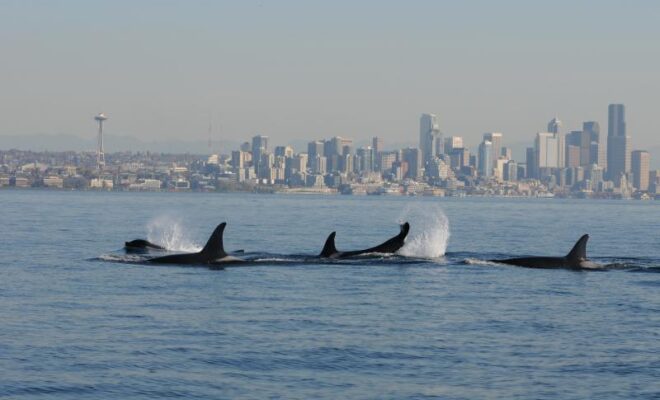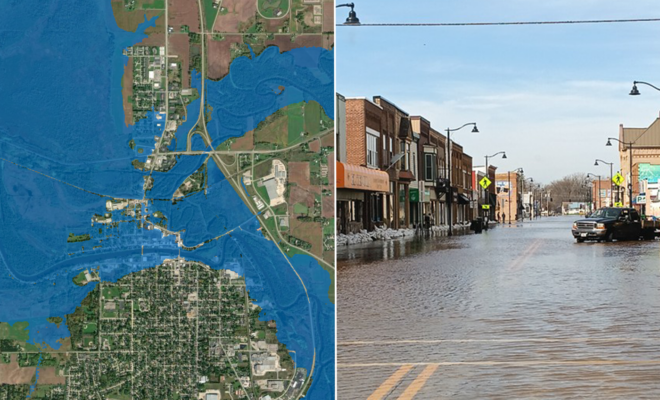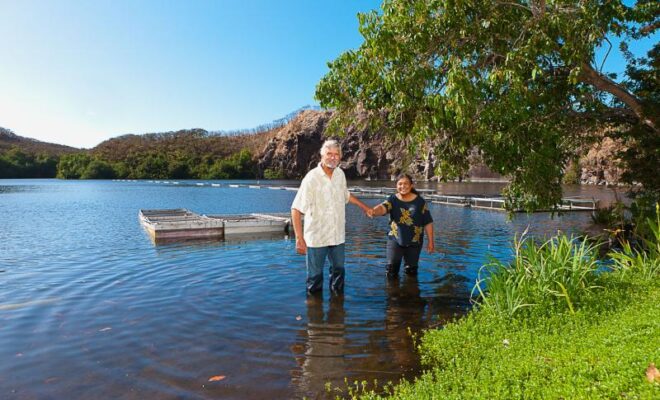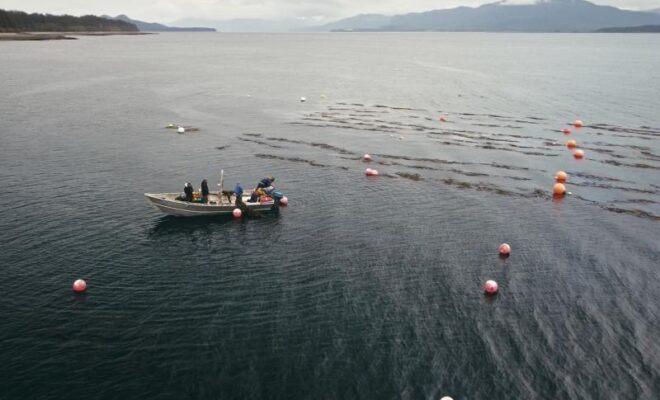
The United States is a global leader in fisheries excellence, and NOAA's regional priorties will increase opportunities for American fishermen and women. (Image credit: Shutterstock via NOAA Fisheries)

NOAA Announces Regional Priorities To Advance America-First Seafood Strategy

7/5/2026 - By noaa.gov, noaa.gov. Today, NOAA announced regional priorities to revitalize the U.S. seafood sector focused on reducing burdens on domestic fishing, increasing production, improving access, and enhancing economic profitability. This bold, coordinated effort by the Department of Commerce through NOAA Fisheries is in direct response to the President’s Executive Order Restoring… SEE MORE
A scientist measures a tagged greater amberjack prior to releasing it. (Photo courtesy of Texas A&M University-Corpus Christi)

Research Project Provides New Estimates Of Greater Amberjack Abundance in U.S. South Atlantic, Gulf Of America

7/3/2026 - By seagrant.noaa.gov, seagrant.noaa.gov. A multi-year research project to estimate the number of greater amberjack in the U.S. South Atlantic and Gulf of America has provided new insight into the species. The Greater Amberjack Count was led by Sean P. Powers, Ph.D., fisheries ecology professor and Director of the Stokes School of Marine… SEE MORE
Michael Peñuelas, a Seattle scuba diver, examines a large sunflower sea star in the Edmonds Marine Park in Puget Sound, Washington, in 2021. (Image credit: Courtesy of Zachary Gold)

New eDNA Tool To Help Track Recovery Of Sunflower Sea Star, a Pacific Coast ‘Apex Predator’

6/30/2026 - By noaa.gov, noaa.gov. A wasting disease that surged during the intense 2013-2016 Pacific marine heatwave known as the Blob decimated numerous species of sea stars and triggered the collapse of vast coastal kelp forests from the Aleutians to the Baja Peninsula. One of the species most affected was the sunflower sea star, an… SEE MORE
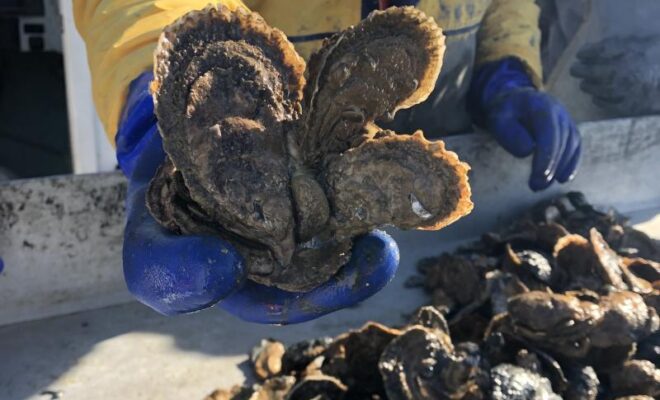
A person tends to oyster beds at an oyster farm in Wellfleet, Massachusetts. (Image credit: NOAA Fisheries)

NOAA Strengthens Commitment to Aquaculture Through New Cooperative Institute

6/28/2026 - By noaa.gov, noaa.gov. Today, NOAA announced the University of New Hampshire as host institution for the new NOAA Cooperative Institute Fostering Aquaculture Research and Markets (CIFARM) to expand NOAA’s impact and strengthen efforts to boost American seafood competitiveness. After a highly competitive application process, this new five-year cooperative institute will harness partnerships… SEE MORE