Information and Resources to help you navigate Covid-19
We here at US Harbors are collecting all the information we can to help you through these strange times.
The situation around the country, and the world, is changing at a rapid rate. We endeavor to keep our information up to date and relevant. Please be aware that regulations do vary from state to state. You can find all our Covid-19 related news under this tag /covid-19
Is Boating a Safe Social Distancing Activity?
In most circumstances, boating is a safe activity in terms of limiting infection. Please be aware of the specific rules at the local marina or town boat ramp – getting into the water can be the most high risk part of the boating trip, depending on how busy the boat launch area is. Please also take into consideration who accompanies you on your boat. It is advised to limit boat passengers to those already in your household. Some states have a limit on the number of people allowed on a boat.
Once out on the water, maintain distance from other boats, and be extra vigilant of those in the water around you. Boaters, as a type, are generally very safety conscious, and that attitude is just as important now as it ever is. Every prevented accident is one less thing that our brave key workers have tackle – keeping the resources available to deal with the covid-19 pandemic.
More rules, tips and advice can be found here: Must-Know Rules for 2020 Summer Boating During COVID 19
Where Can I Go Boating?
What Boat Ramps are Open in My Area?
What events are still going on?
Many events have been cancelled to limit spread of the coronavirus. Some are able to transition to a virtual. online version of the event, and some are postponed till later in the year, or the following year altogether. We are still posting events on our site, however we encourage you to check directly with the organizer before attending. You can see all the events here: usharbors.com/event-listings/
Help for Coastal Businesses
We are posting updates from any and all coastal business, organization or local authority. If you want to get word out to boaters in your area, you can submit news for our weekly update here: usharbors.com/supporting-our-coastal-businesses/
Health & Safety Filter
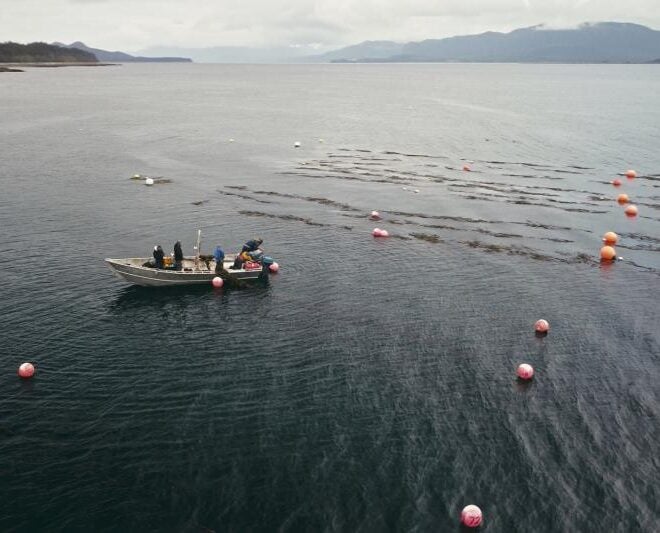
Kelp Farms and Marine Life Co-Exist in Southeast Alaska
By fisheries.noaa.gov, fisheries.noaa.gov. Marine aquaculture, or mariculture, provides economic opportunities for coastal communities in Alaska through farming shellfish and seaweed. NOAA Fisheries continues to support Alaska’s growing aquaculture industry through policy and permitting—providing access to resources and research. A recent study highlights one of our newest aquaculture research collaborations. Through this… SEE MORE
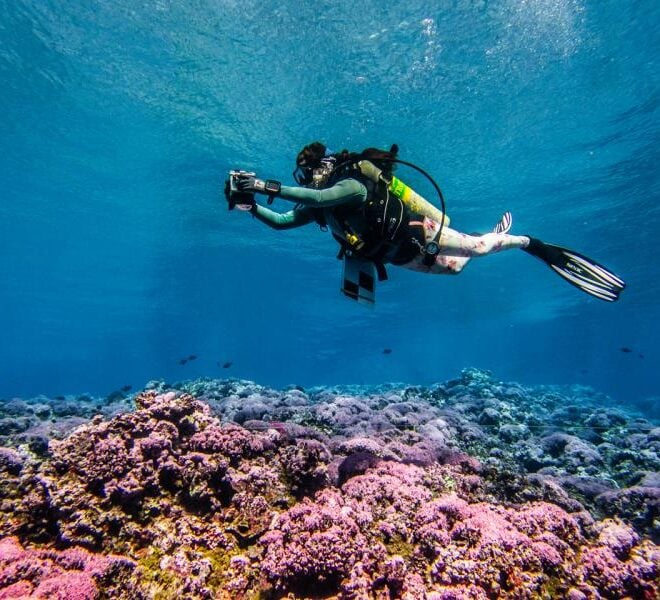
2026 Pacific Coral Surveys Complete
By fisheries.noaa.gov, fisheries.noaa.gov. NOAA scientists returned from American Samoa and the Pacific Islands Heritage Marine National Monument after conducting coral reef monitoring surveys. The team sailed south from Honolulu to Jarvis Island, Palmyra Atoll, and Kingman Reef, where they completed their suite of surveys. After a 2,000 kilometer transit down… SEE MORE
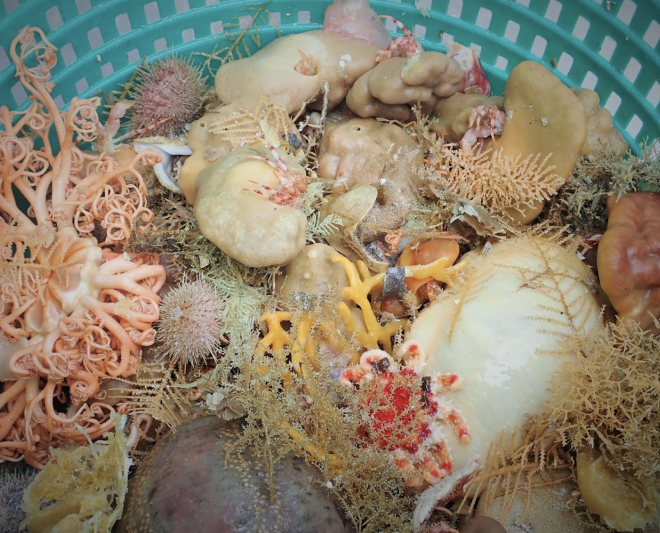
Nine Species of Deep-Sea Sponges Discovered in Alaska
By fisheries.noaa.gov, fisheries.noaa.gov. Scientists have discovered nine new species of sponges in the Gulf of Alaska and Aleutian Islands. The specimens were collected during the Alaska Fisheries Science Center’s long-standing annual bottom trawl surveys, which monitor the condition of groundfish and shellfish stocks in Alaskan waters. For these sponge studies, researchers… SEE MORE
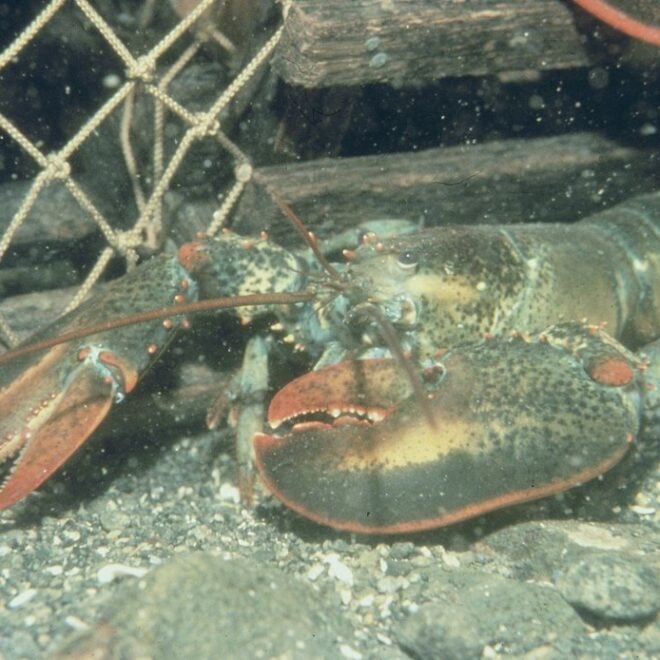
Is Offshore Construction Noise Stressing New England's Lobsters? WHOI Scientists Want to Know
By Kiran Johnson, whoi.edu. As offshore wind farms multiply along the New England coast, a question with real consequences for one of the region’s most valuable fisheries is getting its first rigorous scientific investigation: does the noise from wind farm construction affect the American lobster? WHOI scientists are working alongside… SEE MORE
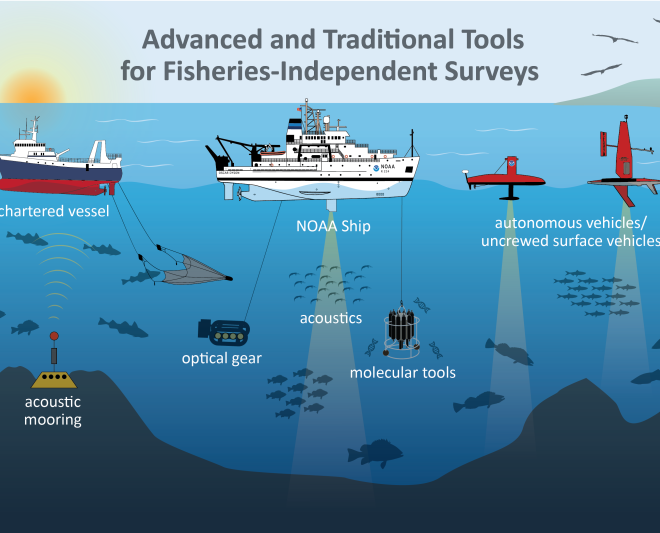
Charting the Future of Fisheries-Independent Surveys
By fisheries.noaa.gov, fisheries.noaa.gov. Fisheries-independent surveys operate on dedicated survey vessels and are the foundation of sustainable fisheries management. They provide the consistent data on marine resources we need to inform stock assessments. These data are collected using a scientifically rigorous sampling framework and are used to set catch limits. As… SEE MORE
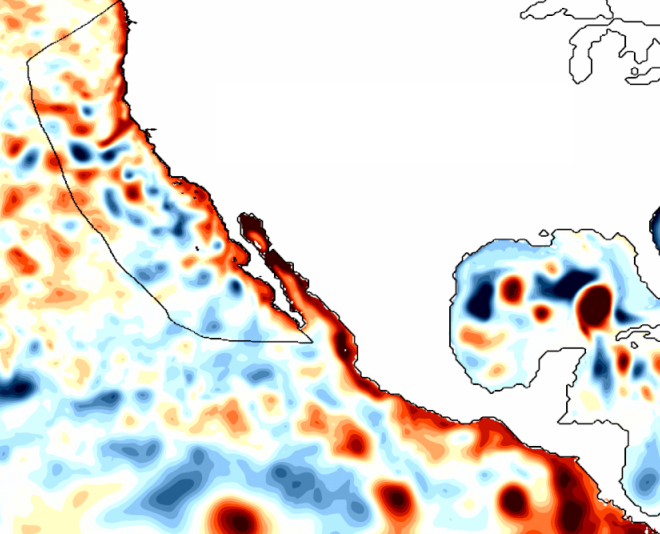
Ocean Indicators Help Track El Niño’s Arrival on the West Coast
By fisheries.noaa.gov, fisheries.noaa.gov. Has El Niño reached the West Coast? You might think it has. After all, the ocean off Southern and Central California is unusually warm. But that is from a recent marine heatwave predates the current El Niño. Much of the Pacific Coast is experiencing relatively normal conditions while still… SEE MORE
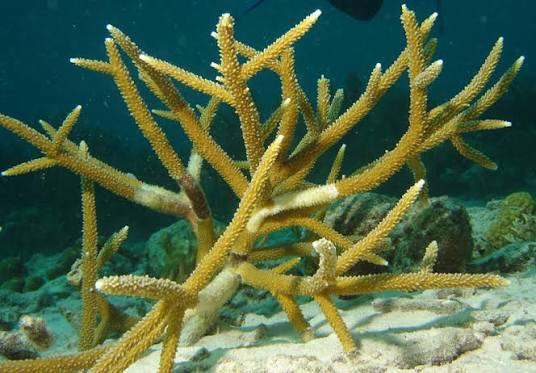
Coral IVF: How Scientists Are Breeding Heat-Resistant Reefs for Florida's Future
By Dawn Anderson, best4boats.com. The reefs that protect South Florida’s coastlines, harbors, and marinas are in crisis — and scientists at the University of Miami are using an unlikely tool to fight back: assisted reproduction. After a record marine heatwave in 2023 wiped out up to 100 percent of elkhorn… SEE MORE
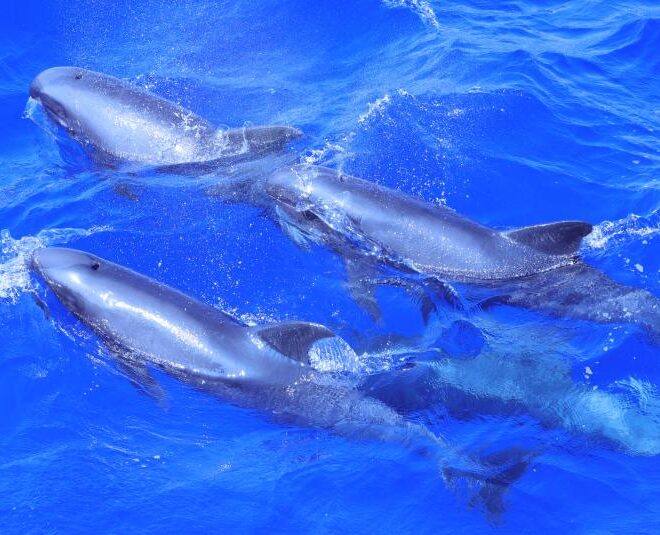
A Winter at Sea Reveals Seasonal Habits of Whales, Dolphins, and Seabirds in Hawaiʻi
By fisheries.noaa.gov, fisheries.noaa.gov. The Hawaiian archipelago is teeming with marine life, and winter brings some of the most exciting activity of the year. It’s a season when many whale and seabird species travel to the islands. Migratory baleen whales such as humpback and minke whales are only found in Hawai‘i in the winter, when… SEE MORE