Weather News & Resources Filter
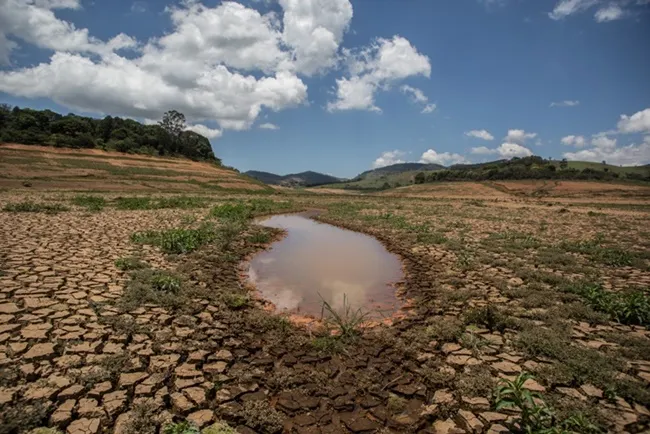
El Nino Forms, Expected To Strengthen, Say NOAA Forecasters
By noaa.gov, noaa.gov. NOAA’s National Weather Service announced today that El Nino has developed in the tropical Pacific, and issued an El Nino Advisory. El Nino, the warm phase of the El Nino Southern Oscillation (ENSO), is predicted to intensify to a moderate or strong level this fall. Forecasters predict… SEE MORE
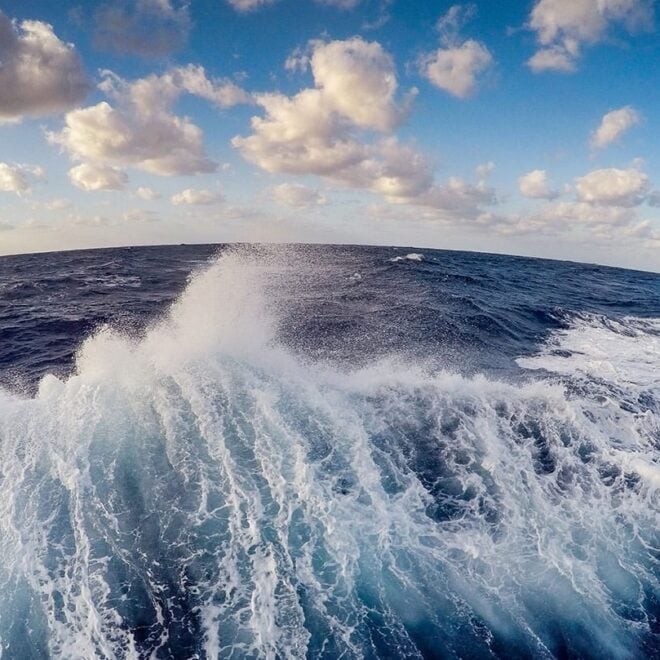
What World Ocean Day Can Look Like in 100 Years
By noaa.gov, noaa.gov. More often than not, when we talk about ocean conservation, the conversation naturally gravitates toward what we stand to lose if we don’t act. This is only natural, as the urgency of the climate and biodiversity crises forces us to consider a future where our most cherished… SEE MORE
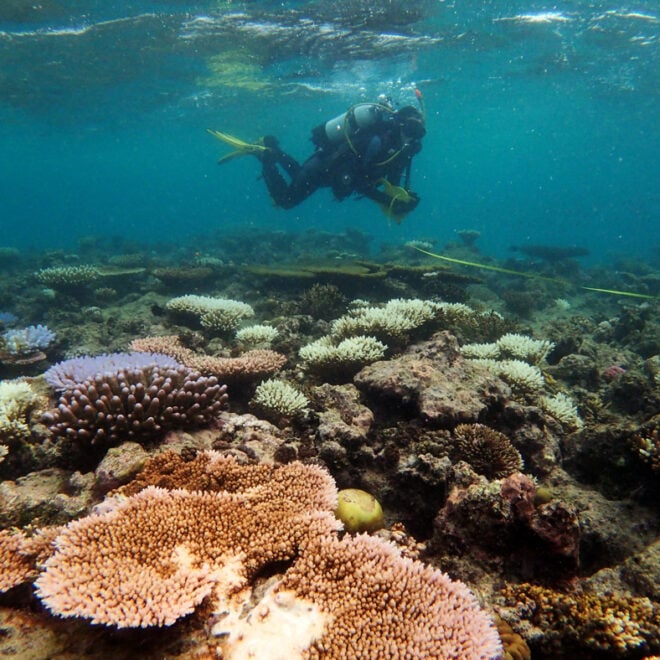
WHOI Develops Tool to Predict Coral Bleaching Months Before It Strikes
By whoi.edu, whoi.edu. A new forecasting tool from Woods Hole Oceanographic Institution could give reef managers and coastal communities a five-to-six-month head start on one of the ocean’s most destructive events: coral bleaching. Called the Bleaching Event Early Predictor (BEEP), the system works by tracking three large-scale climate patterns in… SEE MORE
FEATURED CONTENT

2025 "Best Harbor" Contest Winners Announced
The People Have Spoken: Block Island Wins Again! Grand Winner, Best Harbor in the U.S. for 2025: Block Island, RI Last year’s Grand Winner for Best Harbor in the U.S., Block Island, RI, took home the prize again for 2025. This year saw a record number of votes cast for over… Learn More

Luxury Antarctic Cruises Double as Climate Research Platforms Through WHOI-Ponant Partnership
By Laura Castanon, whoi.edu. A new partnership between Woods Hole Oceanographic Institution and French expedition cruise line Ponant is turning luxury Antarctic voyages into working science missions — giving researchers rare access to some of the most remote glaciers on the planet while passengers watch the work unfold in real… SEE MORE
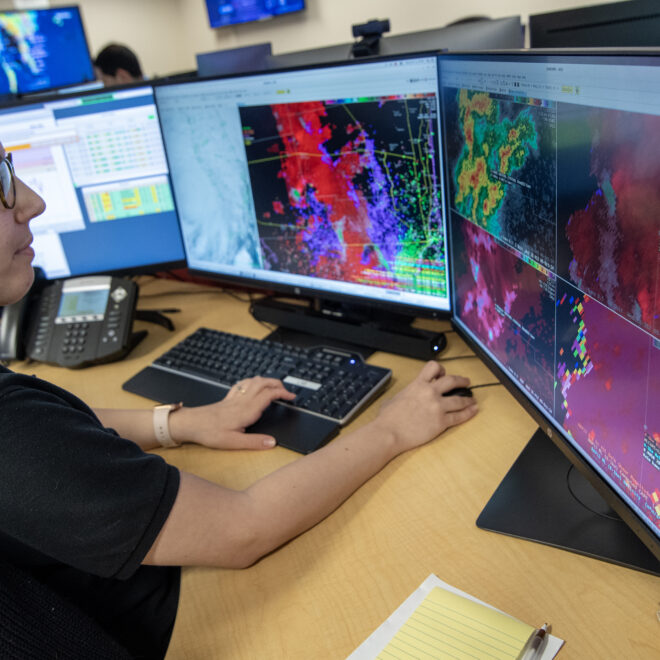
NOAA's National Weather Service Eyes the Cloud for Next-Gen Applications
By noaa.gov, noaa.gov. Technology improvements will add mobility to the NWS throughout the U.S. NOAA’s National Weather Service (NWS) has awarded two contracts for the NWS’s new cloud-based data and applications services, launching a new era of modernization for the nation’s weather agency. These tools will effectively transfer the capabilities… SEE MORE
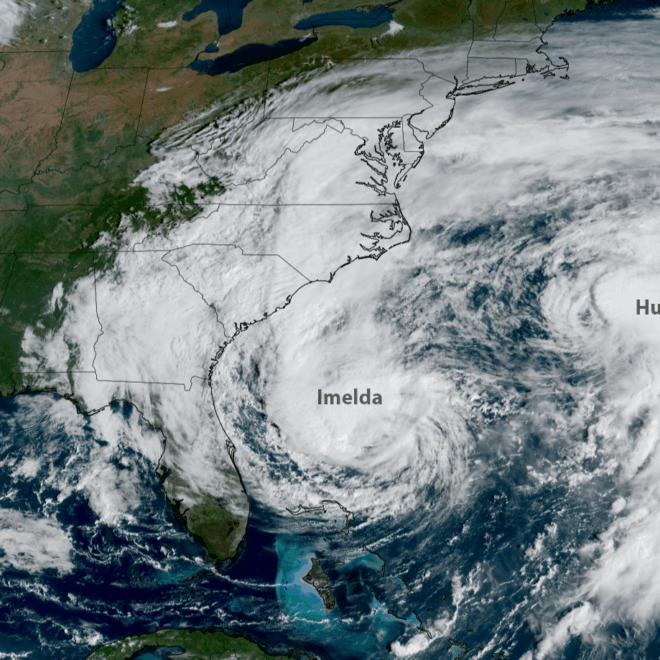
2025 Atlantic Hurricane Season Marked by Striking Contrasts
By noaa.gov, noaa.gov. Seasonal activity fell within NOAA’s predicted ranges The 2025 Atlantic hurricane season, which officially ends on November 30, was notable for its striking contrast — wavering between periods of relative calm and bursts of intense activity, generating very powerful storms. Overall, the season fell within the predicted ranges… SEE MORE
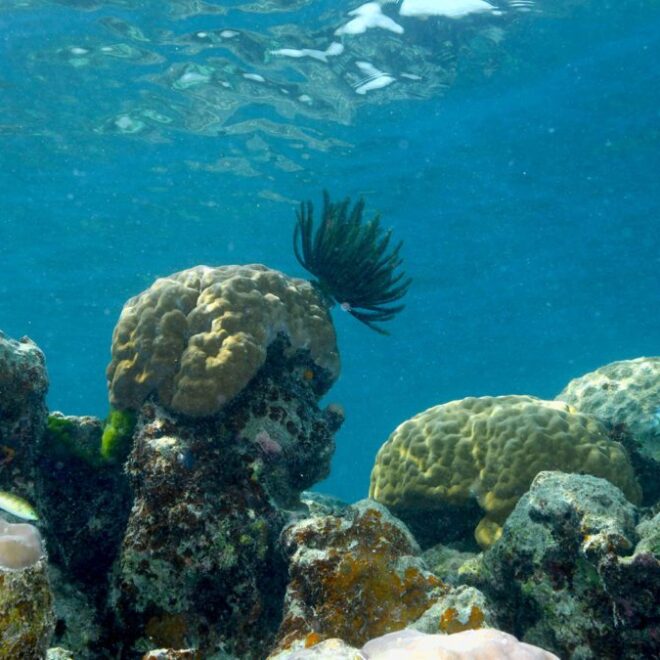
Palau’s Rock Islands Harbor Heat-resistant Corals
By Woods Hole Oceanographic Institution, whoi.edu. Heat-Resistant Corals Discovered in Palau’s Rock Islands As marine heatwaves increasingly threaten coral reefs worldwide, new research from Palau offers promising insights for harbor and coastal communities that depend on healthy reef ecosystems for shoreline protection, fisheries, and maritime navigation safety. The discovery of… SEE MORE
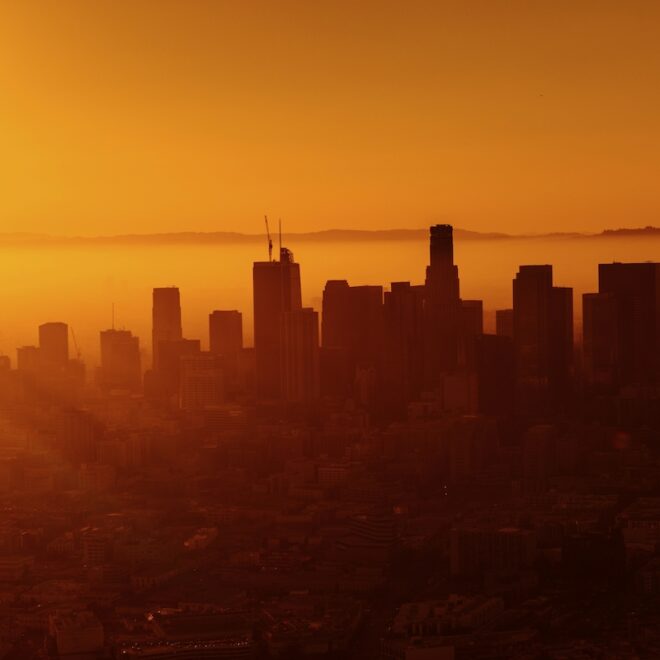
Study Links More Frequent and Severe Heat Waves to Pollution from Major Fossil Fuel Producers
By Isabella O’Malley. Fifty-five heat waves over the past quarter-century would not have happened without human-caused climate change, according to a study published Wednesday. Planet-warming emissions from 180 major cement, oil and gas producers contributed significantly to all of the heat events considered in the study, which was published in the journal… SEE MORE
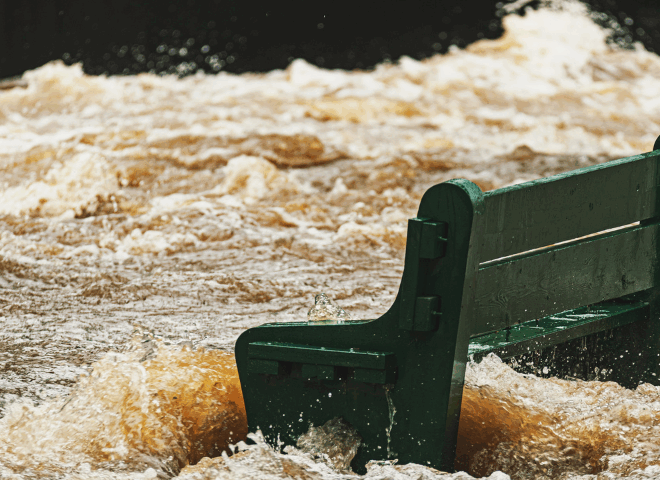
Assessing the U.S. Temperature and Precipitation Analysis in July 2025
By ncei.noaa.gov. Record overnight warmth dominated the eastern U.S. in July and multiple regions across the country were impacted by flash flooding Key Point: Warm overnight minimum temperatures set July records, impacting more than 55 million people across the eastern states. In July, 1,434 flash flood warnings—the second-highest July total… SEE MORE
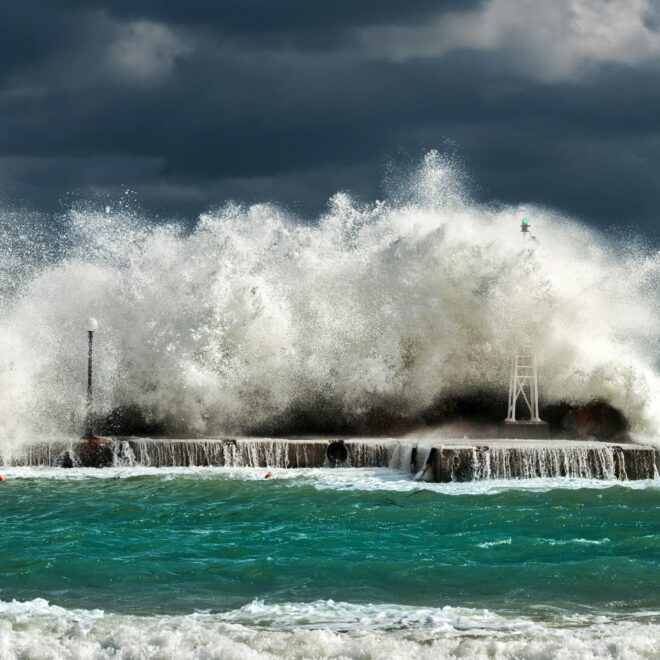
Mapping the Waters of Valdez, Alaska for Tsunami and Landslide Preparedness
By oceanservice.noaa.gov. A new partnership between NOAA and the City of Valdez, Alaska will help emergency managers prepare for future earthquakes, tsunamis, and underwater landslides. This partnership will support mapping 34 square nautical miles of the Port of Valdez — an important gateway to interior Alaska. A devastating earthquake in 1964 caused… SEE MORE
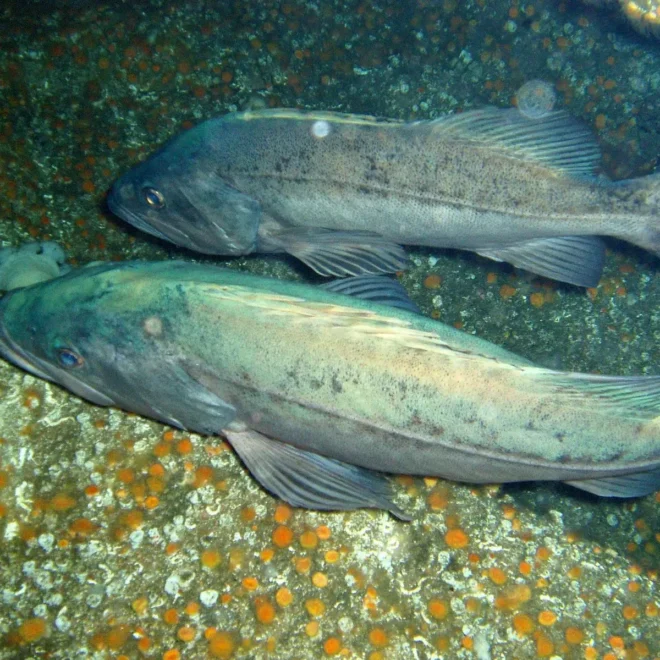
The Gentle Wisdom of Pacific Rockfish: A Story of Natural Adaptation
By US Harbors. Discovering how one of the ocean’s most patient survivors navigates changing waters—and what it teaches West Coast anglers. Something beautiful is unfolding beneath Pacific waters. As ocean conditions gently shift and change, black rockfish have revealed a survival approach that speaks to nature’s quiet wisdom: they’re thoughtfully… SEE MORE
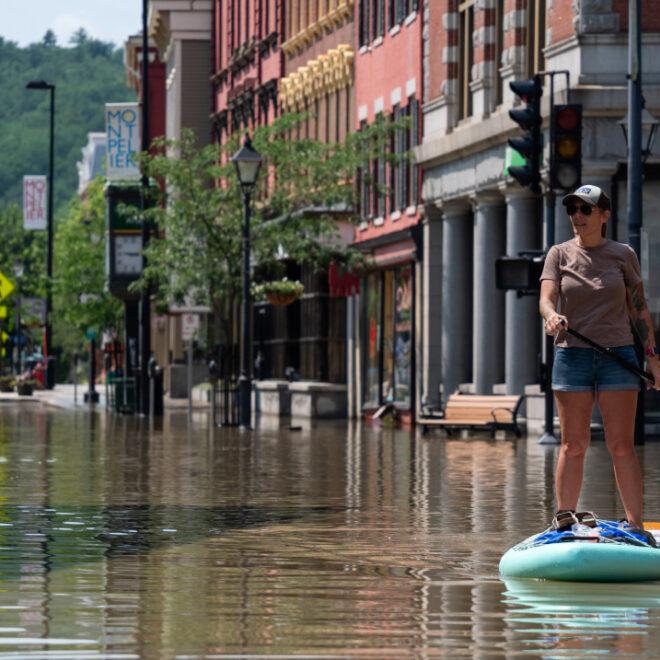
Things you can do to be Better Prepared for Major Flooding
By Caleigh Wells. Catastrophic floods can be difficult to prepare for. Sometimes evacuation is the right call, but if it’s too late the best bet is to find higher ground nearby. The stakes can be high, because a flash flood may give those in its path only minutes or seconds to react.… SEE MORE
May Brought Storms and Heavy Rain from the South to the Northeast; Spring was the Second Warmest on Record
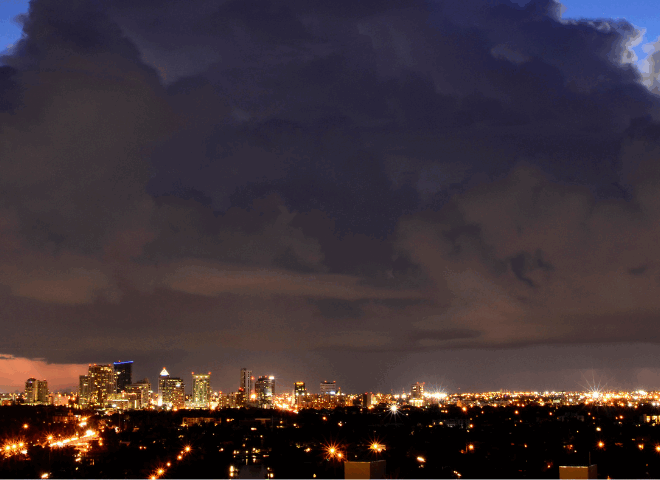
By ncei.noaa.gov. Key Points: Thirteen states experienced one of their five wettest Mays on record, while dry conditions persisted across much of the Northwest. Two significant severe weather outbreaks on May 15–16 and May 18–20 resulted in over 200 tornado reports, very large hail and damaging winds. Alaska had its… SEE MORE
NOAA Forecasts an Average Summer 'Dead Zone' in Gulf
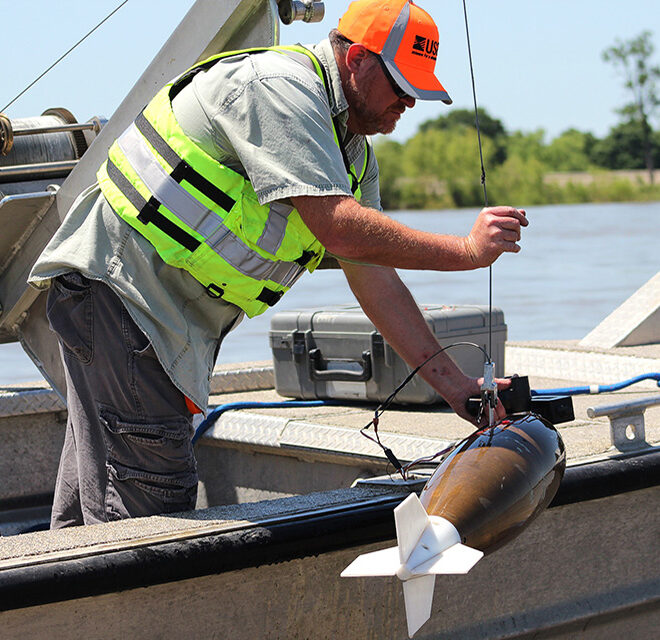
By oceanservice.noaa.gov. Low-oxygen conditions expected to impact 5,574-square-mile area NOAA is forecasting this summer’s Gulf of America (formerly Gulf of Mexico) “dead zone” to be average-sized, covering approximately 5,574 square miles — an area roughly three times the size of Delaware. The dead zone, or hypoxic zone, is an area of… SEE MORE
Hail Camera Invention will Help Improve Hail Forecasts
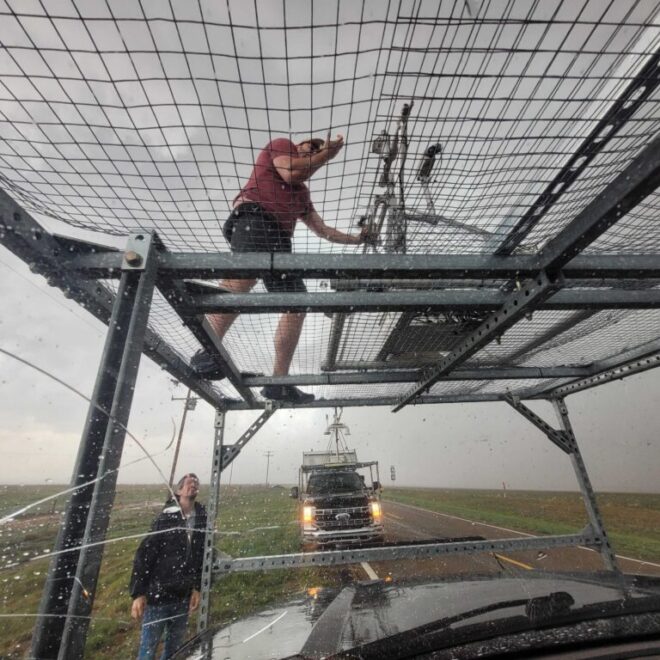
By research.noaa.gov. High speed cameras encased in bullet-resistant polycarbonate. LED lights 30 percent brighter than the sun. All mounted to the back of a diesel pick up truck wrapped in a metal cage. That’s the latest innovation in hail storm science from the NOAA National Severe Storms Laboratory (NSSL). Each… SEE MORE