Search for More Stories:
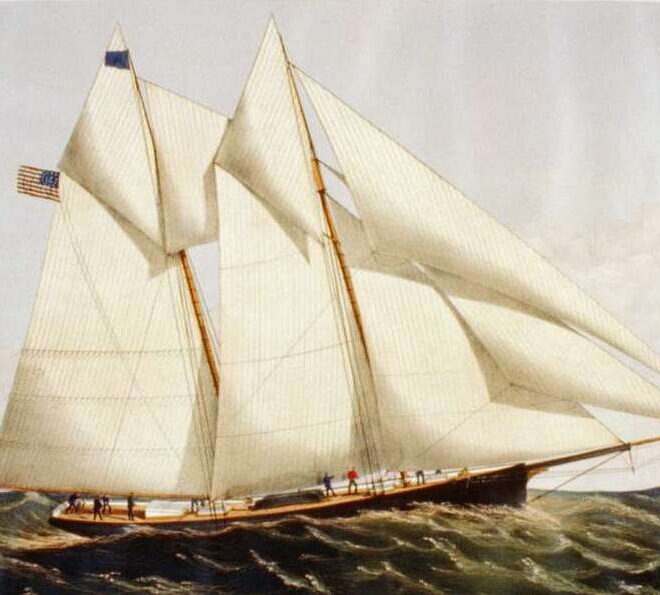
Shipboard Medicine: From Wooden Chest to Telemedicine on the High Seas
By EVAN LUBOFSKY, whoi.edu. Medical emergencies far from shore are a reality every mariner must contend with — whether aboard a research vessel, a commercial fishing boat, or a cruising yacht. A fascinating new piece from WHOI's Oceanus magazine traces the evolution of shipboard medicine through the lens of the… SEE MORE
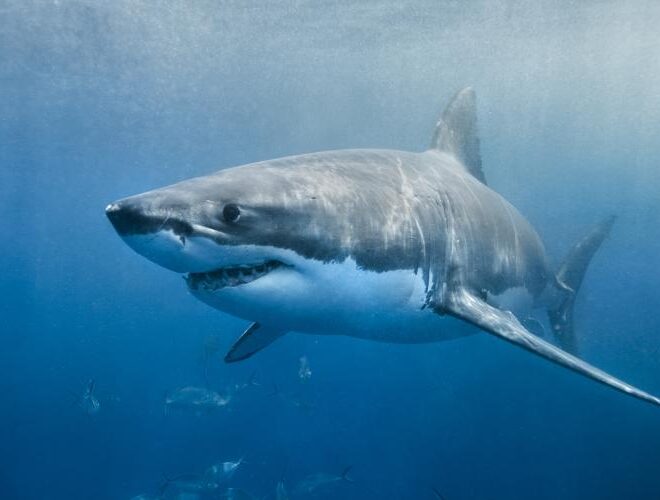
Shark Attack Statistics: Understanding Coastal Safety Risks
By Alexander Laybourne, worldanimalfoundation.org. For harbor communities, beach managers, and coastal recreation operators, understanding actual shark attack statistics helps put ocean safety risks in proper perspective. While shark encounters generate significant media attention and public concern, data-driven analysis reveals that the statistical risk remains remarkably low—information that's valuable for coastal… SEE MORE
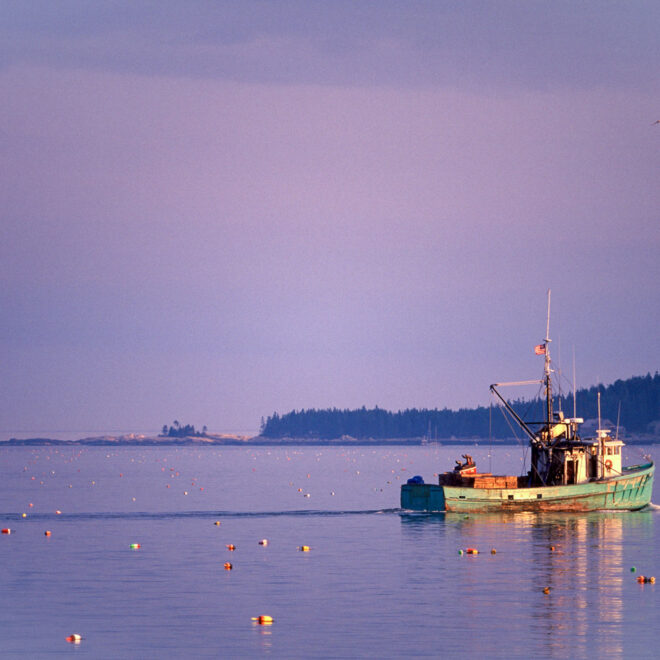
New Video Series Helps Boaters Avoid Lobster Gear
By US Harbors If you've ever been boating along the Maine coast, you've seen the many buoys used to mark lobster traps. Maine boaters simply refer to these buoys as "lobster pots." If you hear "lobster pot," you might picture a metal container filled with water for boiling lobsters, and… SEE MORE
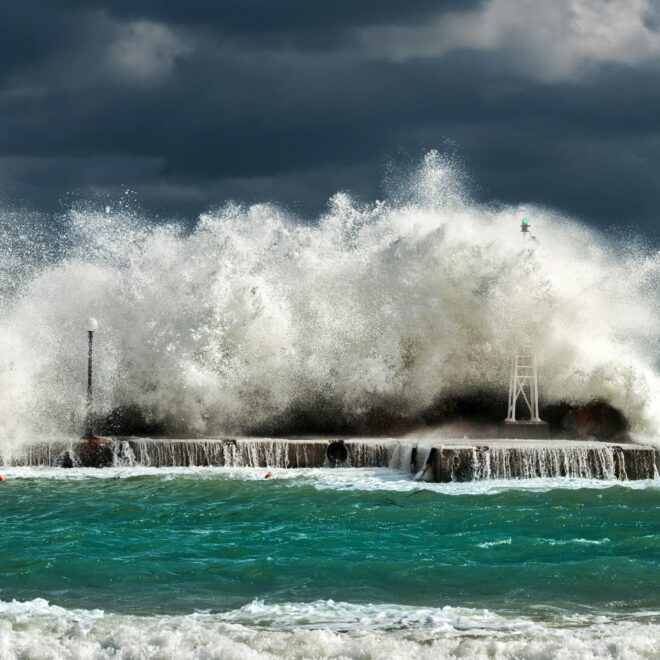
Mapping the Waters of Valdez, Alaska for Tsunami and Landslide Preparedness
By oceanservice.noaa.gov. A new partnership between NOAA and the City of Valdez, Alaska will help emergency managers prepare for future earthquakes, tsunamis, and underwater landslides. This partnership will support mapping 34 square nautical miles of the Port of Valdez — an important gateway to interior Alaska. A devastating earthquake in 1964 caused… SEE MORE
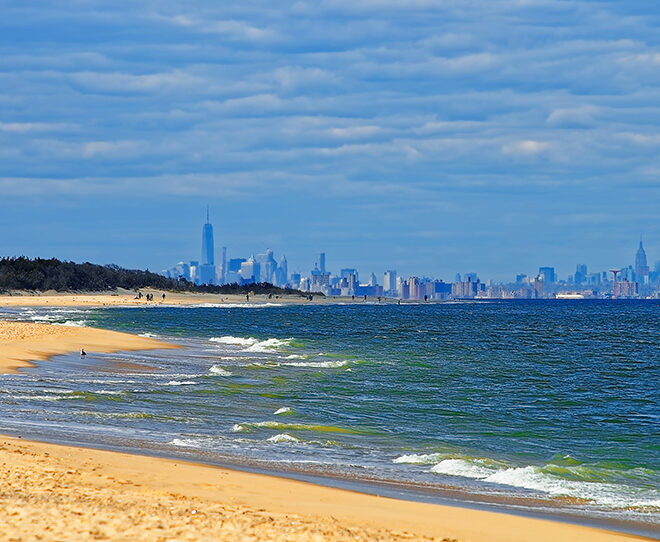
15 Tips for Planning Your Best Day at the Beach
By noaa.gov. Days spent at the beach create a lifetime of memories: building sand castles, swimming, boating, or even just listening to the waves crash while reading a great book. At NOAA, we tend to take things an extra step further when we go to the beach. Whether it’s tracking… SEE MORE
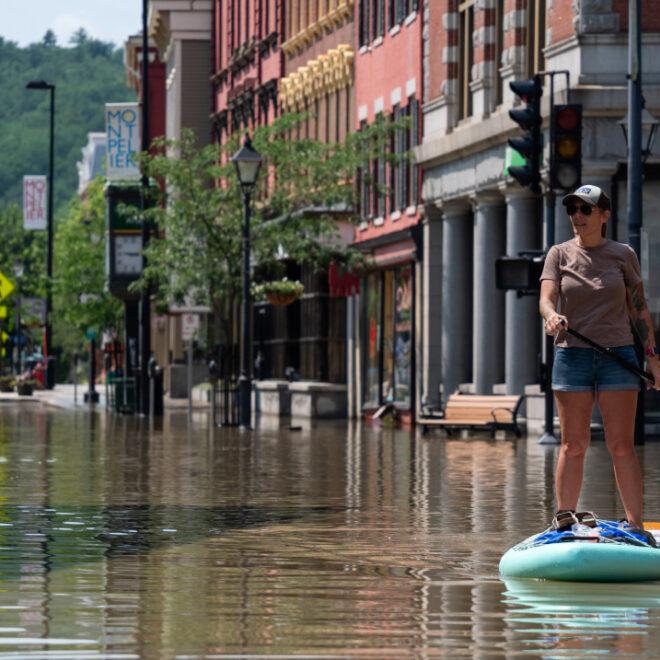
Things you can do to be Better Prepared for Major Flooding
By Caleigh Wells. Catastrophic floods can be difficult to prepare for. Sometimes evacuation is the right call, but if it’s too late the best bet is to find higher ground nearby. The stakes can be high, because a flash flood may give those in its path only minutes or seconds to react.… SEE MORE
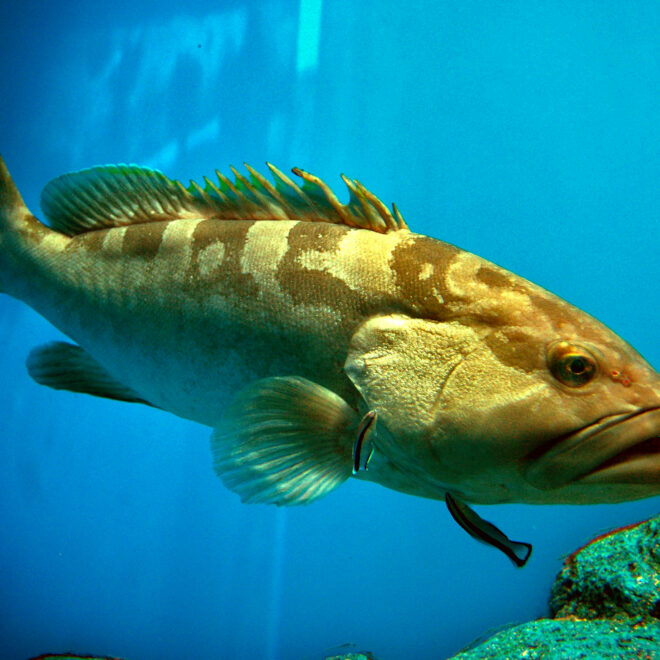
Master the Art of West Coast Bass Fishing
By US Harbors. The golden kelp forests stretching along California's coast harbor one of the Pacific's most sought-after gamefish: the California calico bass. These checkerboard-patterned fighters, officially known as kelp bass, offer anglers an exciting challenge that combines technical skill with the raw thrill of pulling hard-fighting fish from dense… SEE MORE
The Art of Residential Dock Fishing
By US Harbors. Strategies for Residential Dock Fishing in Salt Water Residential docks represent some of the most accessible and productive saltwater fishing opportunities available to coastal anglers. With millions of Americans living within casting distance of salt water, understanding how to effectively fish these man-made structures can unlock consistent… SEE MORE
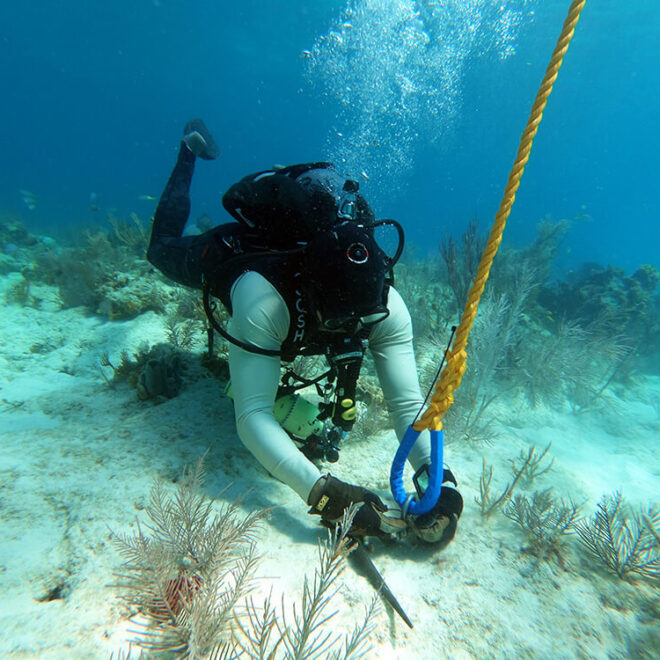
NOAA Staff Have Been Busy Installing Mooring Buoys for Public Use Across America
By sanctuaries.noaa.gov. Mooring buoys are a vital part of the infrastructure in many national marine sanctuaries. These buoys make it safer and easier for boaters, divers, paddlers, and snorkelers to access sanctuary sites—while protecting sensitive resources like coral reefs, seagrass beds, and historic shipwrecks from anchor damage. Across the sanctuary… SEE MORE
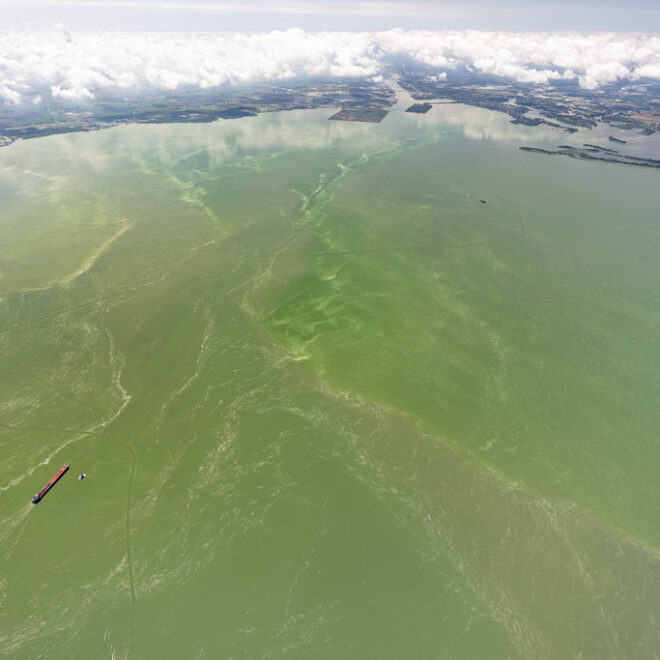
Mild to Moderate Harmful Algal Bloom Predicted for Western Lake Erie
By noaa.gov. NOAA and its research partners are forecasting a mild to moderate harmful algal bloom (HAB) in western Lake Erie this summer. This year’s bloom is expected to measure 3 on the HAB severity index, with a potential range of 2–4. The HAB severity index is based on the… SEE MORE
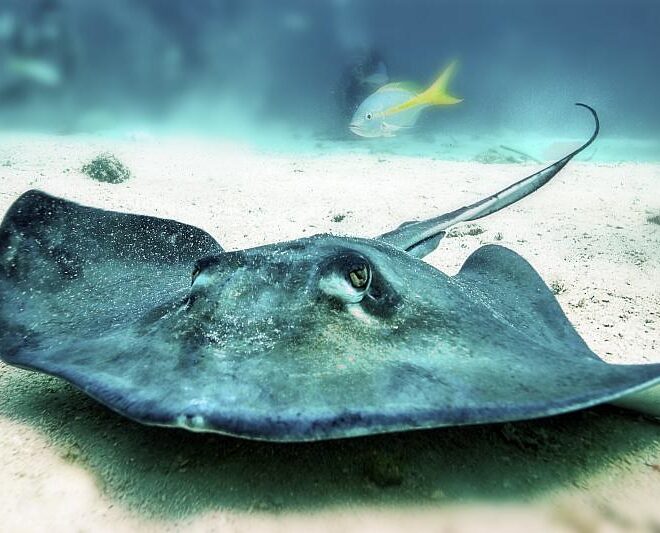
Fishing’s Most Dangerous Animals — The Stingers
By Doug Olander. A look at marine creatures that sting anglers — sometimes with deadly results. Most of us don’t think of sport fishing as a particularly hazardous sport. No doubt statistics would bear out that it’s not. But every sport has its own unique risks, and saltwater fishing is no… SEE MORE
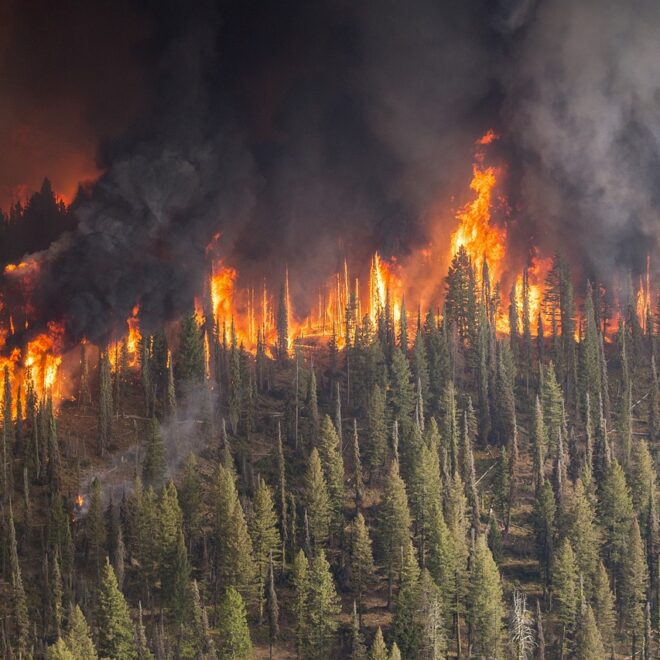
Nightfall no Longer Offers a Reliable Reprieve for Western US Firefighters
By research.noaa.gov. For decades, firefighting crews counted on falling temperatures and rising humidity at night to dampen wildfire activity, allowing them to rest, regroup and prepare for the next day. Over the last 20 years though, satellite measurements have confirmed a change reported in the western US by firefighters on… SEE MORE